What do Epsom salts actually do?
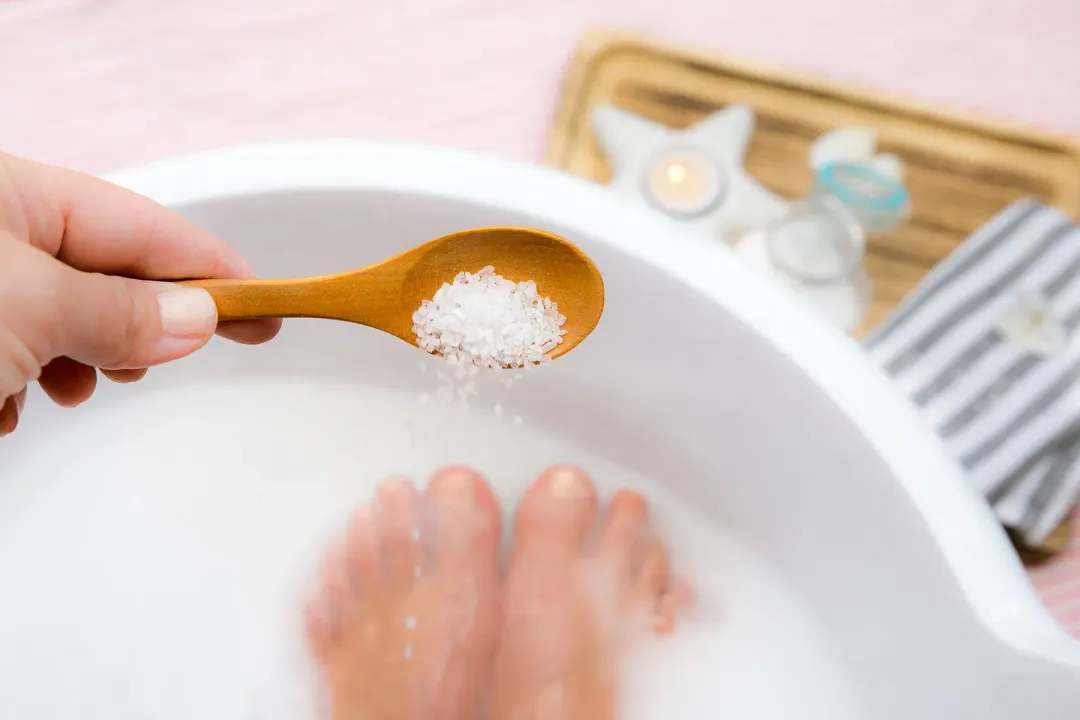
Epsom salt is a naturally occurring mineral compound that has been a staple in home wellness routines for generations, often associated with easing tired muscles after a long day or intense exercise. [1][6] Despite its common name, it is chemically distinct from the salt you sprinkle on your dinner table; it is not sodium chloride. [2] Instead, what people refer to as Epsom salt is actually magnesium sulfate. [2][3][10] This fundamental difference in composition dictates what effects, if any, it has on the body when used in a bath or soak. [6]
# Chemical Identity
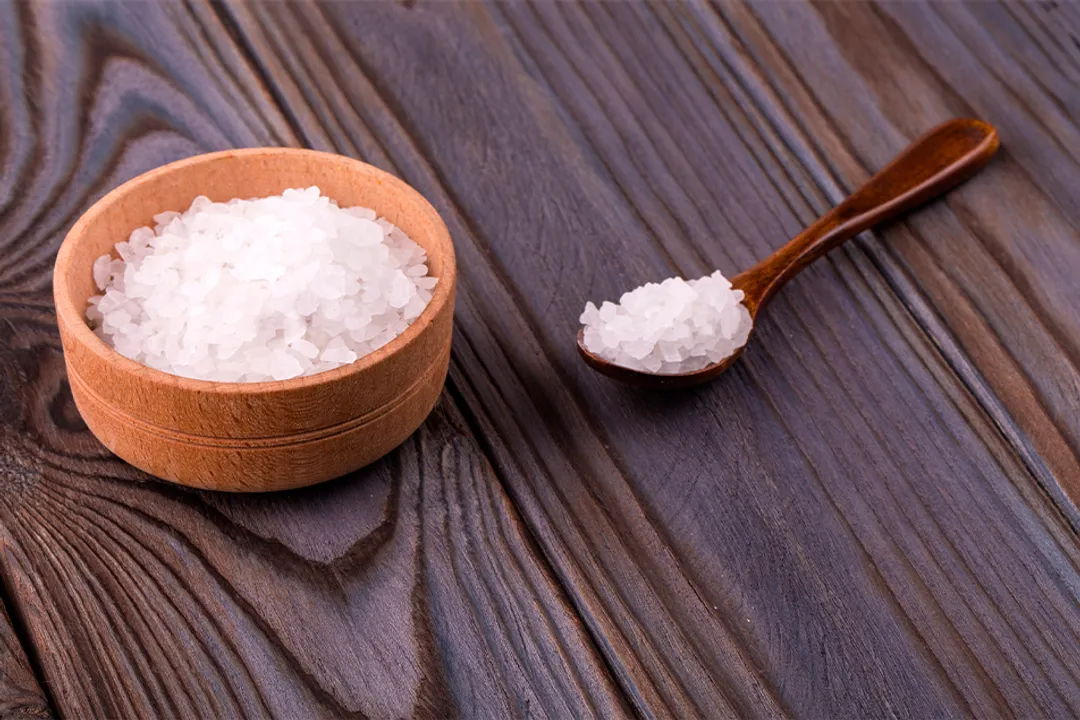
The substance is named Epsom salt because it was first discovered in the town of Epsom, England, where it was found in the mineral springs there. [2] Chemically, it is a salt made up of magnesium, sulfur, and oxygen. [3] Specifically, it is a compound of magnesium () and sulfate (). [2][3] Understanding this makeup is key to understanding its claimed benefits, which are primarily attributed to the presence of these two minerals. [3]
Magnesium itself is an essential mineral involved in hundreds of biochemical reactions within the body, playing roles in nerve and muscle function, blood sugar control, and blood pressure regulation. [3] Sulfate, the other component, is also necessary for many bodily processes, including forming healthy joints, skin, and hair. [3] In the context of a soak, the primary question that arises is whether the body can absorb enough of these components through the skin to cause a physiological change. [5]
# Muscle Relief
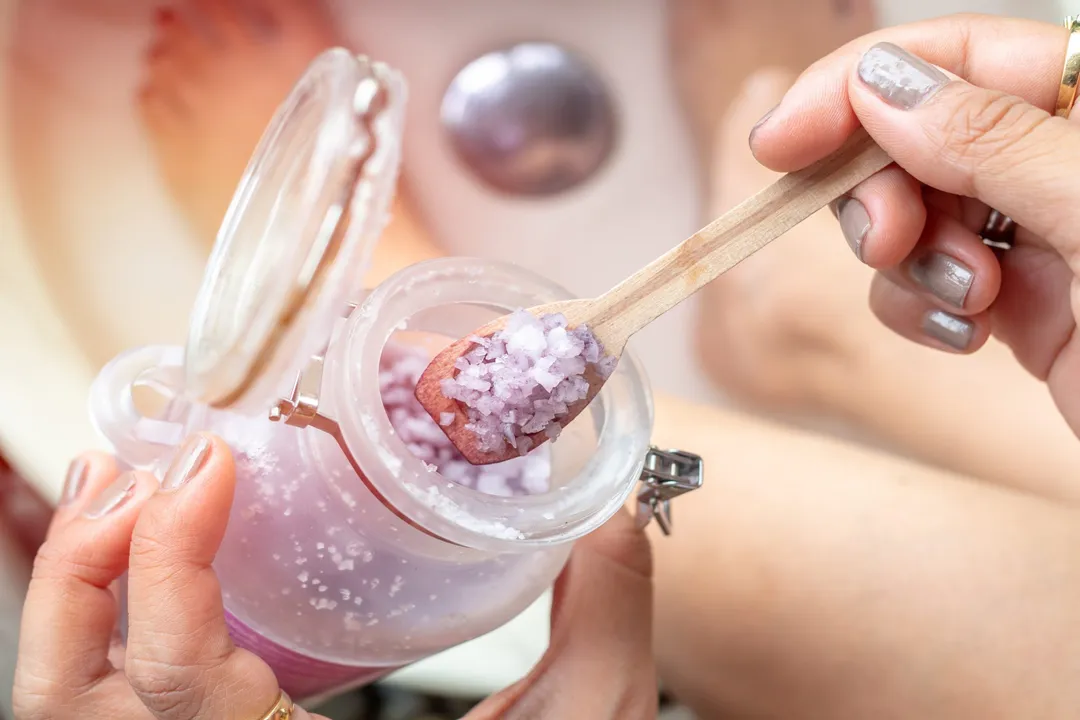
The most popular and time-honored application of Epsom salt involves soaking in a warm bath infused with several cups of the substance, often cited as a remedy for sore muscles. [1][4][6] The underlying theory often shared is that the magnesium in the salt is absorbed through the skin, which may help relax muscles and reduce inflammation or cramping. [4][5] Some proponents suggest that bathing in magnesium sulfate can help replenish the body's magnesium levels, which may be depleted through exercise or stress. [1][10]
However, it is worth noting that clinical evidence supporting significant magnesium absorption through the skin during a bath remains a point of discussion among researchers. [5] While the belief is deeply ingrained in traditional remedies, the actual mechanism behind the reported relief is multifaceted. A warm bath itself naturally helps soothe muscles by increasing blood flow to the area, which can reduce soreness and stiffness regardless of the additives. [4][5] Therefore, when someone feels relief after an Epsom salt bath, it is likely a combination of the deeply relaxing warmth and the psychological comfort of performing a well-established wellness ritual, alongside any potential minor mineral uptake. [5]
A simple approach to assessing this for home use involves focusing on consistency. If a standard warm bath provides temporary relaxation, adding Epsom salt is a low-risk step that might amplify that feeling. Consider that an average adult may weigh around 150 to 200 pounds. While skin absorption rates vary wildly, adding perhaps two cups to a standard-sized tub is the generally accepted dosage for a full-body soak, aiming for a concentration that feels right for comfort rather than targeting a specific therapeutic blood level. [1]

# Foot Soaks
Beyond the full-body immersion, localized soaking is also quite common, particularly for the feet. [7] Epsom salt foot soaks are frequently recommended for relieving tired, achy feet, especially after spending long periods standing or walking. [7] Because the feet have a high concentration of sweat glands, this method is sometimes suggested as a targeted way to experience the benefits of magnesium. [7]
The practice can also be useful for softening hard skin on the feet. When feet are soaked in warm water with Epsom salt, the skin softens, making it easier to exfoliate dry or rough patches later on. [7] For this specific application, using a basin large enough to comfortably cover the feet is essential. A general guideline involves dissolving about half a cup of Epsom salt into warm water sufficient to cover the feet, soaking for about 15 to 30 minutes. [7] This localized approach allows individuals to focus on areas experiencing the most localized fatigue, such as the arches or heels, without needing to draw and heat a full bathtub.
# Internal Uses Caution
Epsom salt is occasionally mentioned for internal consumption, primarily as a short-term laxative to relieve occasional constipation. [3][6][10] The theory here is that magnesium works by drawing water into the intestines, which helps stimulate bowel movements. [3][6] This is a mechanism entirely different from skin absorption; it relies on ingestion. [3]
It is crucial to approach this use with significant caution. Health experts often advise that while magnesium sulfate can have this effect, it should only be done under the guidance of a healthcare provider. [6][10] If used internally, the dosage needs to be precise, as taking too much can lead to side effects like diarrhea, cramping, and dehydration. [3] Unlike a bath where a small error primarily results in ineffective water—or perhaps very soft skin—ingesting the wrong amount can cause more immediate and uncomfortable digestive distress. [3][10] For most people seeking digestive support, there are often safer, more readily available magnesium supplements designed for internal use, making the bath the preferred and safer route for Epsom salt application. [6]

# Practical Applications
While the bath is the star attraction, Epsom salt finds utility in several other areas, often leveraging its abrasive texture or its mineral composition. [9]
# Skin Care and Beauty
In the realm of personal care, an Epsom salt bath can be more than just muscle relief; it can serve as a gentle exfoliator. [9] When dissolved, the fine crystals provide mild abrasive action that can help slough off dead skin cells, potentially resulting in softer skin after rinsing. [9] Some beauty routines incorporate it into scrubs for this exfoliating effect, though one must always be mindful of skin sensitivity. [9]
Another suggested use revolves around its mineral content for hair. Some sources mention adding it to shampoo to help clarify the hair and scalp, perhaps by helping to remove buildup from styling products. [9] If one has hard water, the magnesium and sulfate ions might interact with soap scum residue, making the hair feel less weighed down, though this is a chemical interaction with water quality more than a direct treatment for the hair shaft itself.
# Gardening Context
Although this article focuses on human use, it's interesting to note that Epsom salt is also famous outside the bathroom, commonly used in gardening to provide a source of magnesium to plants, especially roses or tomatoes, which can sometimes show signs of magnesium deficiency. [6] This contrast underscores that the compound is recognized as a source of usable magnesium, just the delivery method (skin vs. soil) is what makes the wellness claims debatable. [6]
# Differentiating Soak Experiences
To truly gauge what Epsom salt "does," it is helpful to separate the known effects of the environment from the assumed effects of the chemistry.
| Factor | Primary Mechanism | Associated Benefit | Certainty Level (Based on common claims) |
|---|---|---|---|
| Warm Water | Vasodilation (widening blood vessels) | Improved circulation; muscle relaxation; stress reduction | High (Physiological fact) |
| Epsom Salt (Magnesium) | Potential dermal absorption | Reduced inflammation; muscle cramp relief | Variable (Debated clinical evidence) |
| Epsom Salt (Sulfate) | Potential dermal absorption | Skin/joint support; detoxification (less supported) | Low to Variable |
| The Ritual | Mental separation from daily stress | Deep relaxation; improved sleep onset | High (Psychological effect) |
When you prepare a bath, the experience is almost always relaxing because of the warmth and quiet immersion. If you skip the salt, you still get the primary benefit of warmth and rest. [4] The added value of the salt, therefore, is supposed to be the extra boost from the magnesium/sulfate interaction. One practical tip is to try a simple warm bath with no additives for a baseline experience. Then, the next time, add the Epsom salt. Pay close attention not just to how your muscles feel ten minutes later, but how you feel the next morning. If you notice a tangible difference in morning stiffness or deep rest quality on the salted nights, that specific feedback—your own data point—can be more persuasive than general claims about absorption rates.
Furthermore, the temperature of the water plays a role that interacts with the minerals. Extremely hot water can increase heart rate and potentially dehydrate you, which works against the goal of relaxation and recovery. Aiming for a comfortable, warm temperature, often cited around to ( to ), is generally recommended for a soak intended for muscle recovery, allowing the body to relax without overheating while providing the best environment for the minerals to potentially work on the skin's surface layers. [1][6] If the water is too cool, the muscles will tense up against the cold, negating the soothing effect of the soak entirely.
# Final Thoughts on Application
Ultimately, Epsom salt remains a widely accepted, affordable, and generally safe way to enhance a bath ritual. [1][10] Whether the primary action is chemical absorption or simply the powerful psychological effect of a dedicated period of self-care, the reported benefits often keep it in the wellness cabinet. [6] For external uses like muscle soaks and foot soaks, it continues to be a trusted method for promoting comfort and softening the skin. [1][7] Just remember that what you are using is magnesium sulfate, not table salt, and treat any internal recommendations with the utmost skepticism and professional oversight. [2][6]
Related Questions
#Citations
Why Take an Epsom Salts Bath? - WebMD
Uses and Benefits of Epsom Salt Baths - SaltWorks
Epsom Salt: Benefits, Uses, and Side Effects - Healthline
Do Epsom salts help sore muscles? - Parkview Health
ELI5: How do epsom salts/soaks help relieve sore muscles? - Reddit
Soothing Benefits Of Epsom Salt Baths - Henry Ford Health
Benefits of Epsom Salt Foot Soaks
Should You Take an Epsom Salt Bath?
An Epsom salt bath is one of those old-school beauty and wellness ...
6 Benefits of Epsom Salt Baths: Pain, Stress, Skin, and More - GoodRx