Do raw onions detox the liver?
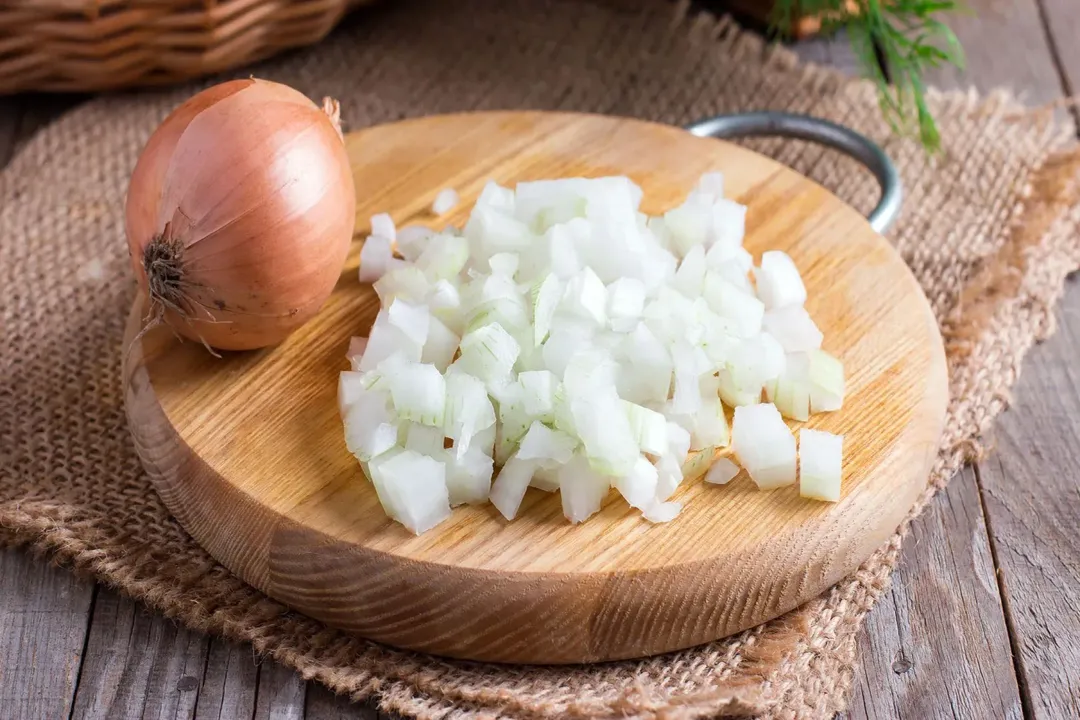
The idea that a simple kitchen staple, the raw onion, possesses significant power to cleanse or "detox" the body's primary filter—the liver—is a common feature in wellness discussions. This belief stems from the vegetable's well-documented nutritional profile, but separating the proven biological support from the sweeping claims of overnight cleansing requires a closer look at what the science actually suggests about onions and hepatic function.
# Key Compounds
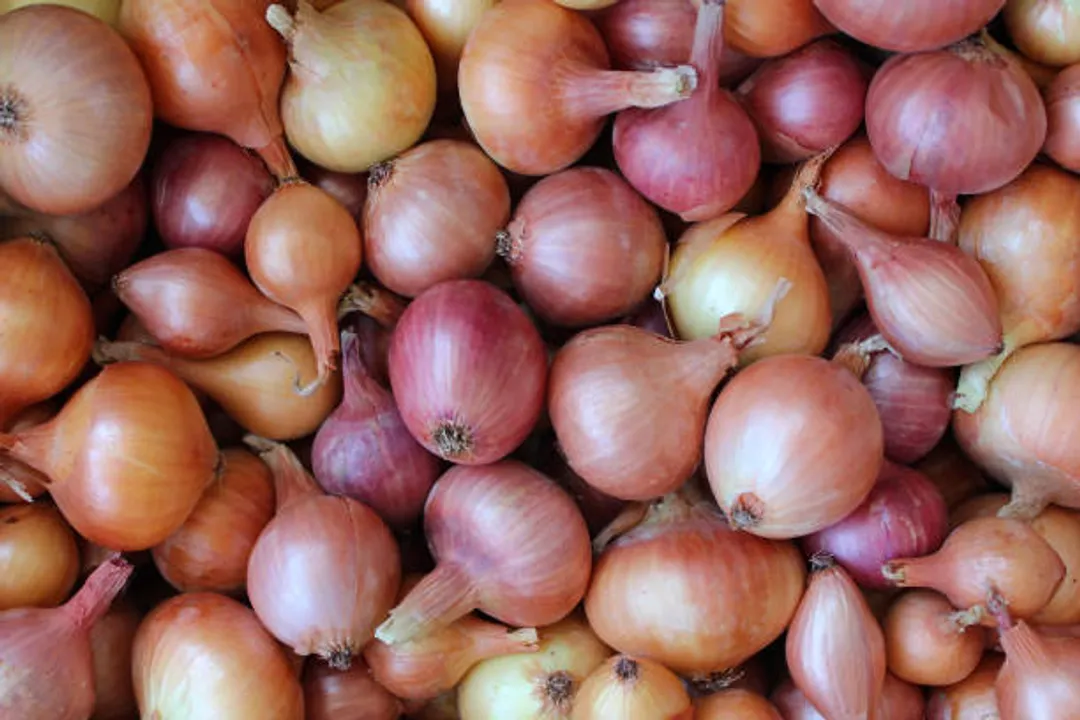
Onions, like their allium relatives such as garlic, owe much of their reputed health benefits to their sulfur-containing compounds. [1][8] When an onion is chopped or chewed, it releases these sulfur compounds, which have been identified as contributing to antioxidant defenses within the body. [1] Beyond sulfur, onions contain beneficial substances such as flavonoids and other antioxidants that interact with biological systems. [3][7] The liver is constantly working to process toxins and manage oxidative stress, a process where compounds that bolster natural defenses are highly valuable. [2]
# Supporting Function
The mechanism often cited for onions' supposed liver benefit relates not to removing toxins, but to supporting the liver cells against damage. Certain sulfur compounds found in alliums have been shown in studies to offer protective effects against chemically induced liver damage. [2] This protection is often linked to the compounds' ability to modulate antioxidant enzymes, helping the liver manage the free radicals generated during its normal detoxification cycles. [1] Foods containing these potent agents, including onions and garlic, are frequently included in dietary suggestions aimed at maintaining good liver health because they assist the organ in its day-to-day work, rather than performing a miracle cleanse. [3][7]
# The Detox Claim
When people ask if raw onions "detox" the liver, they are usually implying a rapid, noticeable purification process, similar to what commercial detox kits promise. Scientifically, the liver does not require an external ingredient to "detox"; it is an organ equipped with sophisticated, built-in enzymatic pathways (Phase I and Phase II detoxification) that are always active. [9] The role of nutrient-dense foods like onions is to provide the necessary building blocks or protective agents to ensure these pathways function optimally and are shielded from excessive oxidative damage. [2]
There is a significant difference between supporting the liver’s existing, complex detoxification architecture and performing the detoxification itself. Claims suggesting that putting cut onions near your body or sleeping with them overnight can draw toxins out of the liver and the whole body have surfaced, but these ideas lack any verifiable scientific foundation. [5] Such anecdotes often conflate the general health benefits of the food with unsubstantiated folk remedies. [5]
# Maximizing Intake
If the goal is to provide consistent nutritional support to the liver, consistency in dietary choices matters more than an isolated "superfood" event. Onions, particularly raw ones, are noted for their strong flavor profile, which can limit how much a person willingly consumes daily. [8] While sources often group garlic and onions together as beneficial alliums, [8] the actual volume of raw onion one can tolerate in a day may be quite low compared to other supportive vegetables.
Considering this limitation, integrating raw onion strategically is key. Instead of aiming for large, isolated portions which might cause digestive upset, incorporating finely minced raw onion into vinaigrettes, salsas, or as a topping for salads and whole grains ensures regular, albeit small, exposure to the beneficial sulfur compounds. [8] This approach prioritizes consistent nutrient delivery over sporadic, high-dose attempts that might be unsustainable for the palate.
# Broader Liver Maintenance
Relying on any single food, even one as beneficial as the onion, to carry the entire burden of liver health is unrealistic. Liver support comes from a combination of reduced strain and enhanced nutritional input. [9] For readers looking to bolster their liver function through diet, focusing on a diverse intake is essential. [6][9]
Other foods frequently cited for their positive impact on liver maintenance include cruciferous vegetables, like broccoli, along with ingredients like coffee and various herbs, which also engage with the body's defense systems. [3][7] A well-rounded approach that manages alcohol intake, avoids unnecessary processed foods, and includes a variety of whole foods rich in antioxidants and fiber will provide far more substantial, long-term support for the liver than fixating on the purifying power of one vegetable alone. [9] The most effective way to "cleanse" the liver is to allow it to function without unnecessary chemical burden while supplying it with necessary protective nutrients. [9]
In summary, raw onions provide demonstrably valuable sulfur compounds and antioxidants that help the liver manage oxidative stress and stay resilient against potential damage. [1][2] They are a healthy addition to a liver-supportive diet. However, the evidence does not support the narrative that eating them equates to a specific, rapid, or complete "detoxification" process divorced from overall lifestyle habits. [5][9]
#Videos
Natural BOMB 🧄🧅 for Cleansing the Liver and Blood Vessels
Related Questions
#Citations
The Effects of Onion Consumption on Prevention ...
The Effects of Onion Consumption on Prevention ...
Foods That Boost Liver Function
Natural BOMB 🧄🧅 for Cleansing the Liver and Blood Vessels
Fact Check: Can Sleeping with Onion Detox your whole ...
Liver health: 5 natural foods that cleanse and support daily ...
29 Best Foods to Protect You From Liver Disease 2022
Garlic & Onion — Yes or No ⁉️ Gut Doctor Explains If you ...
The Best Way To Cleanse Your Liver (NAFLD) | Paleo