Who should not eat amaranth?
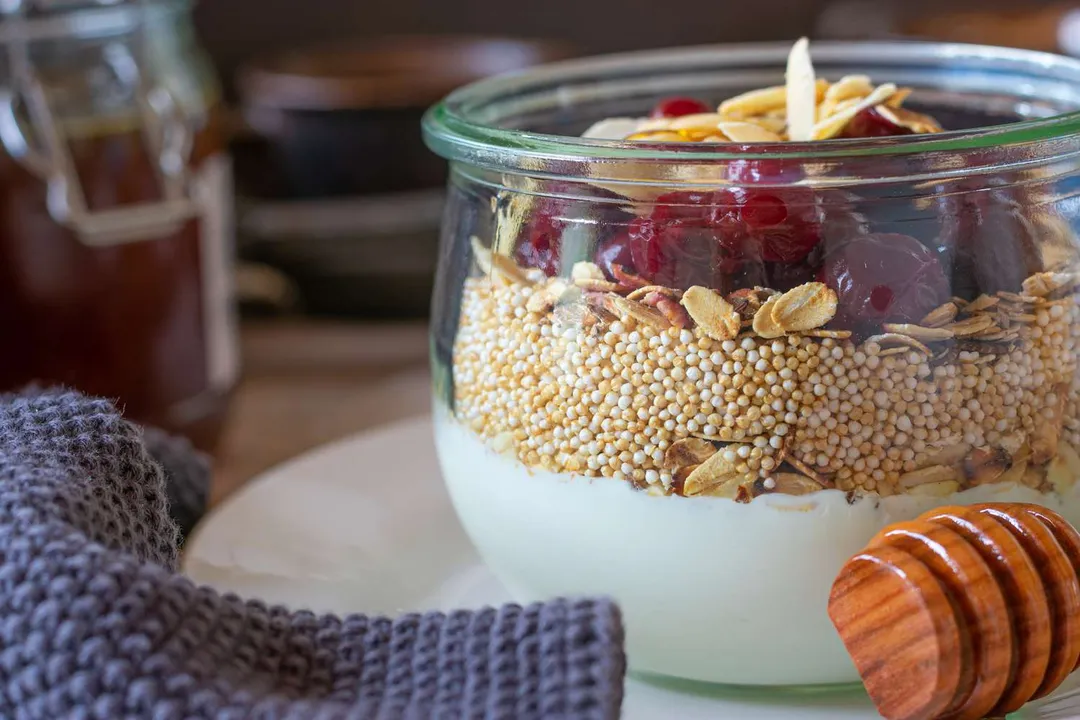
While amaranth is celebrated globally for its gluten-free profile and exceptional protein content—offering a complete amino acid profile often missing in other grains [2][5]—it is not entirely without caution for every individual. The safety profile of amaranth is generally high when consumed in typical food amounts, with seeds, oil, and leaves being considered likely safe for general eating. [3] However, specific health profiles warrant paying closer attention to preparation methods and portion sizes.
# Preparation First
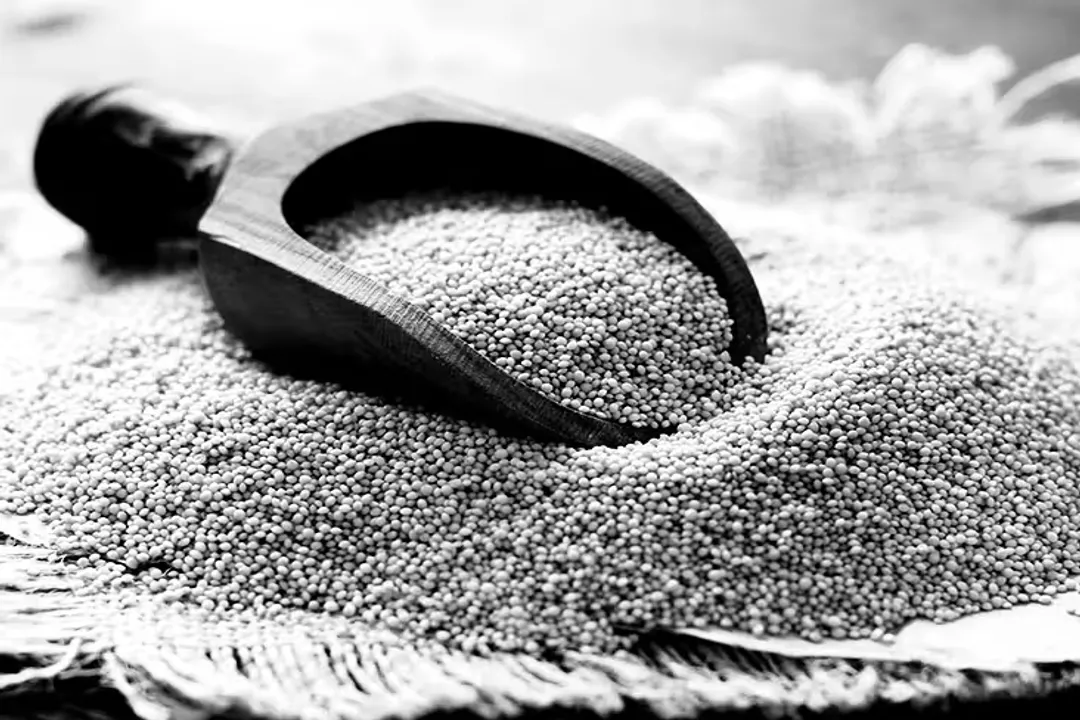
Before addressing specific groups, it is crucial to note that raw amaranth should be avoided. [2] Like certain other seeds or grains, amaranth contains natural anti-nutrients, specifically oxalates and nitrates, when unprocessed. [2] Fortunately, these compounds are typically eliminated through standard cooking procedures like boiling or toasting. [1][2] This necessity for proper cooking mirrors the traditional preparation required for many ancient pseudocereals or legumes, ensuring the elimination of compounds that might otherwise interfere with mineral absorption or cause irritation.
# Allergic Reactions
For the vast majority of people, allergic reactions to amaranth are considered very rare. [4] Nevertheless, an allergy is a definitive reason to avoid it. While uncommon, documented cases of severe reactions exist; for instance, there is a case report noting anaphylaxis linked to Amaranthus paniculatus seed flour (Rajgira). [3] Anyone experiencing signs of a severe reaction, such as a rash or difficulty breathing after consumption, must seek immediate emergency medical attention. [1] Even if you do not have a known amaranth allergy, if you notice sensitivity, elimination is the only safe path forward.
# Metabolic Sensitivities
Certain inherent properties of amaranth can pose risks for those with specific metabolic conditions, primarily concerning blood sugar regulation and mineral balance.
# Blood Sugar Balance
Amaranth grain is known for its positive impact on managing blood sugar, partially because it can help lower insulin levels. [2] This trait is advantageous for many people managing pre-diabetes or type 2 diabetes. [2] However, this effect cuts both ways. For individuals already prone to hypoglycemic concerns (abnormally low blood sugar), consuming excessive amounts of amaranth could potentially be dangerous by pushing blood sugar levels too low. [2] Moderation becomes key when the body is already sensitive to drops in glucose.
# Protein and Mineral Load
Amaranth is rich in the essential amino acid lysine, contributing to its status as a complete protein. [2] While this is a nutritional strength, it relates to mineral metabolism. The increased lysine content enhances the body's calcium absorption. [2] If an individual is already taking high-dose calcium supplements, or has conditions requiring tight calcium management, they should take care to avoid consuming very large quantities of amaranth simultaneously to prevent an overload of absorbed calcium. [2] Furthermore, individuals diagnosed with intolerance to lysinuric protein should strictly avoid amaranth, as consumption in this group has been linked to adverse effects like stomach pain and diarrhea. [2]
# Gastrointestinal Load
Even without specific protein intolerance, some people may find amaranth hard on their digestive system depending on how much they eat. The grain is an excellent source of dietary fiber, containing both soluble and insoluble types. [1][4] While fiber is generally beneficial for regularity, consuming large quantities can lead to common side effects such as gas and bloating in sensitive individuals. [1]
Additionally, amaranth contains saponins. [4] These compounds are not considered toxic to humans, but they are known to cause gastrointestinal upset when consumed in significant amounts. [4] If you have a history of digestive issues, such as irritable bowel syndrome (IBS), it is wise to begin with a very small introductory portion of cooked amaranth to gauge your body's tolerance before increasing intake. [1]

# Specific Life Stages and Medicinal Use
When considering amaranth as a supplementary treatment rather than just a food, caution increases for certain demographics.
# Pregnancy and Breastfeeding
For individuals who are pregnant or breastfeeding, there is a notable lack of sufficient reliable scientific data regarding the safety of using amaranth as a medicine. [3] In these stages, where dietary safety is paramount and information is limited, the recommendation is to err on the side of caution and avoid its use in medicinal dosages. [3] While food amounts are generally safe, individuals should consult their healthcare provider before using amaranth supplements during pregnancy or while nursing.
It is also important to remember that relying on amaranth, or any unproven supplement, to treat a known medical condition, such as anemia or high cholesterol, instead of seeking conventional medical help, presents the most significant overall risk associated with its use. [1] For example, while animal studies show promise for lowering cholesterol, research in humans suggests that amaranth products may not offer benefits above a standard low-fat diet. [3][4] If a specific health goal is the aim, such as managing heart health, amaranth should be seen as a nutritional support within a proven regimen, not a replacement for it.
Related Questions
#Citations
Amaranth - Uses, Side Effects, and More - WebMD
What Happens to Your Body When You Eat Amaranth Grain
Health Benefits of Amaranth Grain, Uses And Its Side Effects - Lybrate
Amaranth: Health benefits, nutritional information, and how to prepare
Is Amaranth Safe to Eat? Health Benefits, Medicine & Diet