What happens to your body when you eat pumpkin regularly?
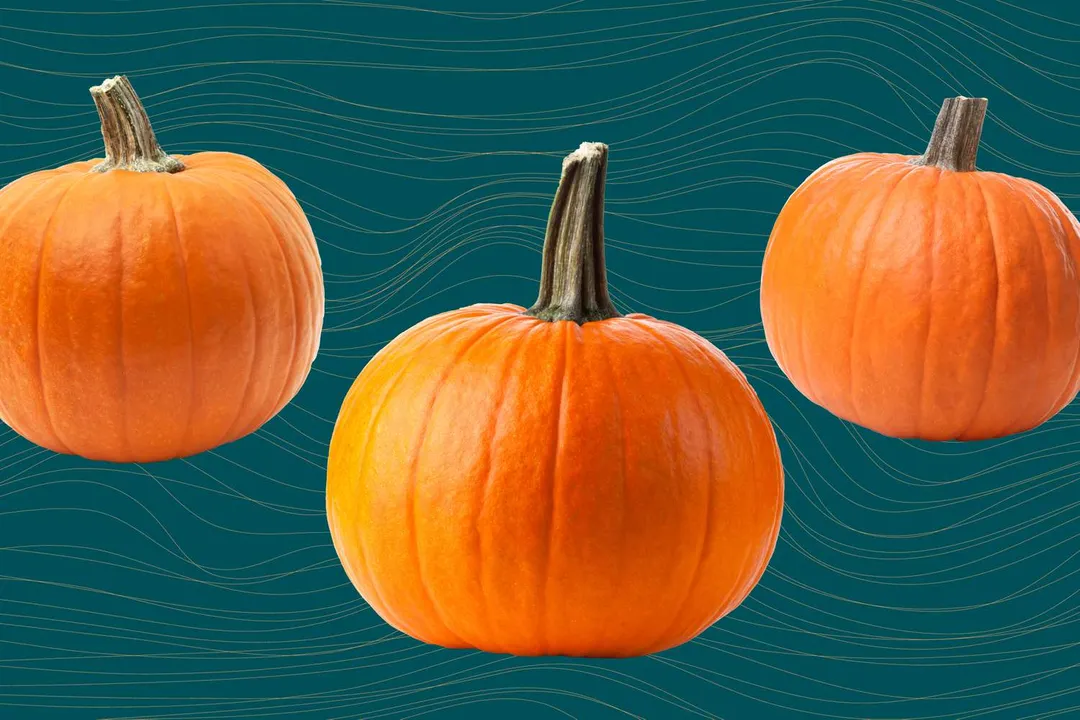
Incorporating pumpkin into your daily or near-daily routine does more than just signal the arrival of autumn; it introduces a powerhouse of nutrition that can influence several bodily systems for the better. This humble squash, often relegated to pies or seasonal decor, is packed with vitamins, minerals, and fiber that support everything from your gut to your eyesight. [1][2][3][7] When you consistently eat pumpkin, you are actively feeding your body beneficial compounds that promote long-term wellness, making it far more than just a holiday novelty. [5][9]
# Eye Health

The most celebrated benefit of consistent pumpkin consumption revolves around vision, thanks to its incredible concentration of beta-carotene. [2][3][7] Beta-carotene is a carotenoid that gives pumpkin its signature orange hue, and once ingested, the body converts it into Vitamin A. [1][3][5] Vitamin A is absolutely essential for good eyesight, particularly for seeing well in low-light conditions. [1][3] Furthermore, pumpkin contains other important carotenoids, namely lutein and zeaxanthin. [3][5][9] These compounds accumulate in the retina, especially the macula, where they act as natural filters, protecting the eye tissues from damage caused by harmful high-energy visible light, such as blue light. [3][5] Over time, maintaining high levels of these nutrients through diet can be a proactive step in guarding against age-related vision decline. [3][5]
# Digestive Health
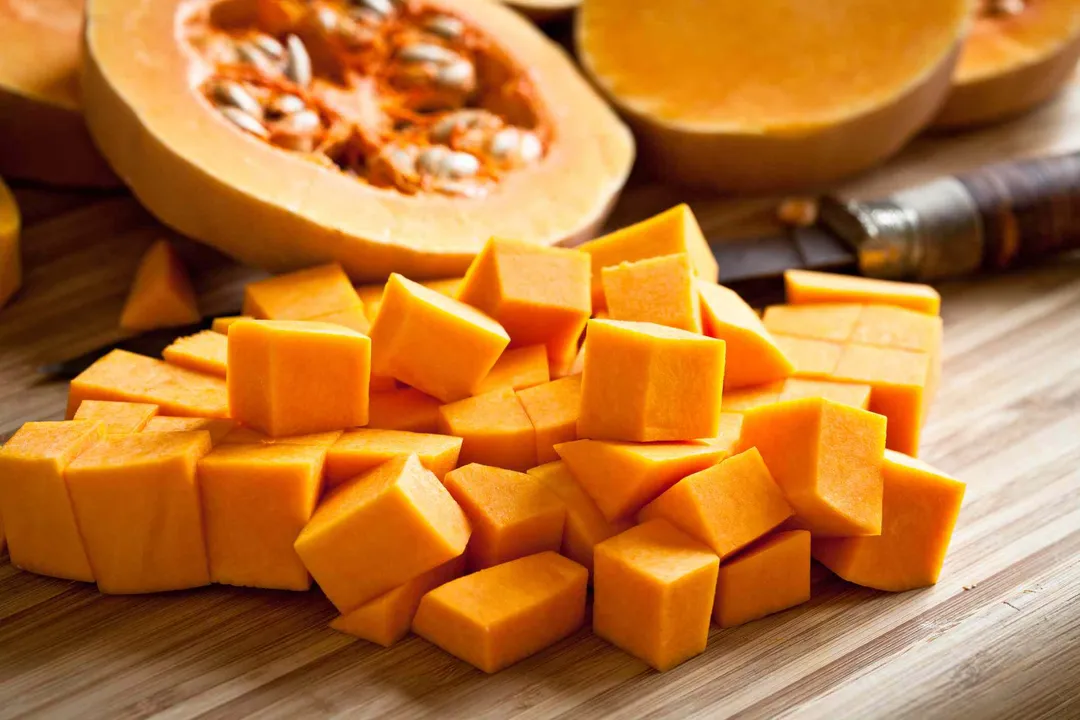
If you are looking to promote regularity and support a healthy gut environment, adding a serving of pumpkin to your routine is an excellent move because of its substantial fiber content. [1][4][7] Fiber, which is found in abundance in both the flesh and the seeds, is critical for digestive function. [2][7] This dietary fiber adds bulk to stool, which helps keep bowel movements regular and prevents constipation. [1][7] Beyond simple regularity, the fiber acts as a prebiotic, feeding the beneficial bacteria in your colon. [4] A thriving, diverse gut microbiome is linked not only to better digestion but also to improved immune response and even mood regulation. [4]
It is helpful to note the difference in density when planning your fiber intake. A standard one-cup serving of cooked, mashed pumpkin contains around 7 grams of fiber. [1] If you are currently consuming about 20 grams of fiber daily, that single cup of pumpkin provides over a third of the recommended daily amount for many adults, offering a significant, easy boost without substantially increasing your overall calorie load. [1][7]
# Immune Power
Regularly consuming pumpkin means consistently stocking your system with potent antioxidants, which are key players in strengthening your body's natural defenses. [3][5][9] Beyond the beta-carotene already mentioned, pumpkin is a source of Vitamin C, which is known for its role in immune system support, and Vitamin E, which functions as another powerful antioxidant. [1][5][7][8] These components work together to neutralize unstable molecules called free radicals, which cause oxidative stress in the body and can damage cells over time. [3][5] By keeping this oxidative stress in check, you are helping to maintain cellular health throughout your body, which is foundational for robust immunity and overall vitality. [3][9]
# Heart Balance
The mineral profile of pumpkin offers direct support to cardiovascular function, particularly concerning blood pressure regulation. [5][7] Pumpkin is a notable source of potassium. [1][5][7][8] Potassium is an essential electrolyte that works to counteract the negative effects of sodium on blood pressure. It helps relax blood vessel walls, which can lead to lower blood pressure readings. [5][9] Paired with its high fiber content, which can help manage cholesterol levels, regular pumpkin intake contributes to a heart-healthy eating pattern. [5][9] When looking at the composition, pumpkin provides about 10% of the daily recommended value for potassium in just one cup of puree. [5]
# Satiety Factor
For those managing their weight or simply trying to avoid mid-afternoon energy crashes, pumpkin can be a surprisingly effective dietary tool because it is low in calories yet high in volume due to its water content and fiber. [1][4] Fiber takes longer to digest, which signals to the brain that you are full, helping to curb overall calorie intake throughout the day. [4] This feeling of sustained fullness, or satiety, is crucial for preventing overeating at subsequent meals. [1][4]
If you are accustomed to using higher-calorie vegetable substitutes, consider this simple substitution: replacing one cup of a starchy side, like baked potato or sweet potato (which can carry similar preparation styles), with one cup of plain, steamed pumpkin will reduce your caloric intake while maintaining a similar volume of food on your plate. [1][4] This small swap, made consistently, can lead to a meaningful caloric deficit over weeks without making you feel deprived, as the high water and fiber content keep you satisfied. [1]
# Kernel Gains
It is a common oversight to discard the seeds when preparing pumpkin, yet these small kernels pack a significant nutritional punch of their own. [2][5][7] Pumpkin seeds are rich in healthy fats, protein, and several minerals that the flesh may offer in smaller quantities. [5][7] They are particularly well-regarded as a source of magnesium, which is vital for hundreds of bodily processes, including muscle and nerve function, blood sugar control, and blood pressure regulation. [5][7] Roasting them lightly—without excessive oil or salt—can create an ideal snack that provides a different textural experience and nutrient focus compared to eating the flesh. [2][7]

# Puree Versus Fresh
When planning regular consumption, a practical decision arises: should you use fresh, cooked pumpkin or store-bought canned puree? While both deliver excellent nutrition, the processing method can subtly alter the profile. [1] Fresh pumpkin requires careful selection, cleaning, steaming or roasting, and mashing—a significant time investment. [1] Canned pumpkin puree, on the other hand, offers convenience, making it easier to hit those daily targets. [1]
However, readers must exercise caution when selecting canned options. Pure pumpkin puree is ideal, as it contains only pumpkin. [1] Many commercially available "pumpkin pie fillings," conversely, are loaded with added sugars and spices, which defeats the purpose of utilizing pumpkin's natural, low-calorie density for health benefits. [1] Always read the label to ensure you are getting the nutritional benefits without an unnecessary sugar spike, which is a key difference between using the whole food naturally versus its pre-seasoned counterpart. [1]
# Vitamin Spectrum
Beyond the headline nutrients, pumpkin provides a spectrum of essential vitamins and minerals that contribute to overall bodily maintenance. [5][8] It contains smaller but meaningful amounts of B vitamins, including folate, which is essential for cell growth and function. [5][8] Iron, though not as high as in other foods, is present and supports oxygen transport in the blood. [1] Furthermore, Vitamin E, a fat-soluble antioxidant, works alongside the carotenoids to protect cell membranes from oxidative damage. [5][7] The balance of these micronutrients means that regular intake helps fill general dietary gaps, supporting energy production and cellular repair processes that occur daily within the body. [8]
Related Questions
#Citations
What Happens to Your Body When You Eat Pumpkin Regularly
What Happens to Your Body When You Eat Pumpkin Regularly
What Happens to Your Body When You Eat Pumpkin - Health
I Ate Pumpkin Every Day for a Week—Here's What Happened
From inflammation to heart health: The perks of pumpkin in your diet
What Happens to Your Body When You Eat Pumpkin Regularly
Pumpkin: Health Benefits and Nutrition - WebMD
What Happens to Your Body When You Eat Pumpkin Regularly
The Many Health Benefits of Pumpkin - UT Physicians