What happens if you accidentally eat a garden snail?

Finding yourself in a situation where you realize you’ve accidentally swallowed a garden snail can certainly cause a moment of panic. Perhaps it was mixed into a salad you didn't thoroughly inspect, or maybe a small one was simply on a piece of produce you consumed without thinking. While the immediate reaction might be a feeling of disgust, the more important consideration is the potential health risk involved. This isn't just about garden pests; it’s about tiny organisms they can carry, which pose a serious, albeit rare, threat to human health. [4][9]
# Parasite Danger
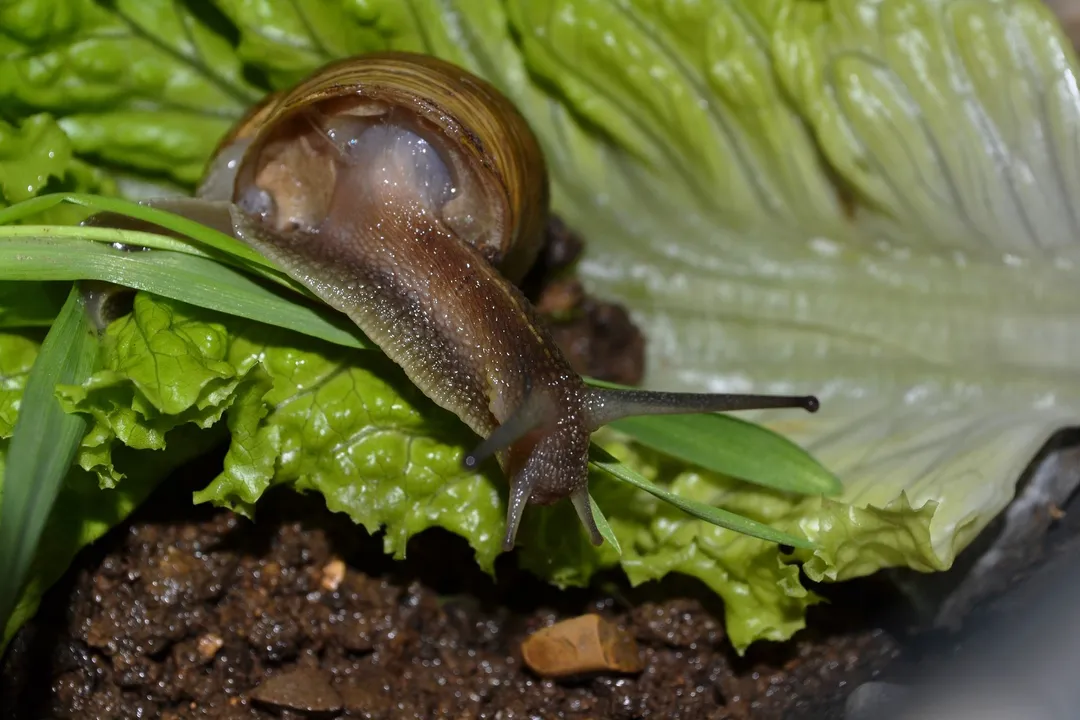
The primary concern when ingesting raw or undercooked terrestrial mollusks, like garden snails or slugs, is the potential transmission of the parasite Angiostrongylus cantonensis. [4][5][9] This microscopic roundworm is commonly referred to as the rat lungworm because rats are its definitive host, where the adult worms reside in their pulmonary arteries. [4][5][6]
The life cycle of this parasite is complex and involves multiple hosts before it can infect a human. [4][5] Rats pass the parasite's larvae (L1 stage) in their feces. [4] These larvae are then ingested by intermediate hosts, which include snails and slugs. [4] Inside the intermediate host, the larvae develop through several stages, eventually becoming the infectious third-stage larvae (L3). [4] When a human accidentally eats one of these infected snails or slugs, or consumes produce contaminated with the snail's mucus or feces containing the L3 larvae, the infection cycle transfers to us. [4][5]
It is critical to understand that the risk lies specifically with raw or undercooked consumption. [4][7] Cooking, if done properly, will kill the parasite, eliminating the danger. [4]
# Human Infection

Once ingested, the L3 larvae migrate from the human digestive tract into the bloodstream. [4] From there, they travel to the central nervous system (CNS). [4][5] This migration into the CNS is what makes the infection dangerous, as the larvae cause inflammation and damage in the tissues of the brain and spinal cord. [4][5]
The resulting condition in humans is known medically as eosinophilic meningitis. [4][5][6] Eosinophils are a type of white blood cell that increases in number when the body is fighting off certain infections, especially parasitic ones, and their presence in the spinal fluid is a key diagnostic marker for this illness. [4][5]
# Recognizing Symptoms
The clinical presentation of eosinophilic meningitis can vary widely in severity, which is sometimes why it is misdiagnosed or not initially linked to the initial ingestion event. [5] Symptoms often include severe headaches, neck stiffness, fever, nausea, vomiting, and general malaise. [4][5][6] In more severe cases, neurological symptoms like paralysis, abnormal sensations, or even death can occur, though this is rare. [4][5]
The time between ingesting the parasite and the onset of symptoms can range significantly, sometimes taking several weeks. [4] This lag period, combined with the non-specific nature of early symptoms like a headache, means that the connection to a single, forgotten incident of eating a garden snail might be easily lost. [4]

# Risk Comparison

Not all snails are created equal when it comes to risk assessment. The danger is primarily associated with snails and slugs that act as intermediate hosts for A. cantonensis. [4][9] While garden snails are frequently cited because they are common terrestrial mollusks found near human food sources, the risk profile can depend heavily on the geographic location and the specific species of snail. [9]
It is worth noting that while the primary concern is the rat lungworm, other organisms could theoretically be present on or in any wild-harvested invertebrate. [7] However, the parasite is the universally recognized, life-threatening vector associated with raw snail consumption across public health warnings. [4][5][6]
One crucial point to consider is the difference between contamination and ingestion of the living organism. Snails are often found in damp, dark places and carry bacteria and other pathogens on their skin and in their slime trails. [7] If a snail was on a vegetable, merely washing the surface might remove some surface debris, but any larvae present within the snail's tissues would only be destroyed by heat. [4] This distinction is important: while surface washing reduces general contamination risk, it does not mitigate the specific danger of ingesting the parasite itself if the snail was eaten whole or in pieces. [4]
A Practical Consideration for Home Gardens
When considering risks from garden-to-table situations, the risk isn't limited to obvious consumption. If you prepare food outdoors, or if snails crawl across cutting boards or utensils before you cook the final product, cross-contamination is a genuine concern, even if you don't eat the snail itself. [7] A simple, dedicated cleaning ritual for all produce coming from the garden—washing it thoroughly, and then washing the preparation surfaces again—is a good habit, especially if you know mollusks are active in your area. Furthermore, if you have pets like dogs that might consume garden pests, they too are susceptible to the lungworm, which can then cycle back to humans. [9]
# Next Steps After Ingestion
If you have a strong suspicion that you have ingested a raw garden snail, or if you begin experiencing unusual neurological symptoms such as a severe headache or neck stiffness in the days or weeks following potential exposure, professional medical evaluation is necessary. [4][5]
When speaking to a healthcare provider, it is important to mention the specific incident—the accidental ingestion of a raw snail—as this detail provides a critical clue for diagnosis. [5][7] Diagnostic confirmation often involves testing the cerebrospinal fluid (CSF) obtained via a lumbar puncture (spinal tap) for the presence of eosinophils. [4][5] Treatment typically involves anti-parasitic medications, such as albendazole, often combined with steroids to manage the inflammation in the CNS. [4]
For most healthy individuals who accidentally swallow a single, small garden snail, the probability of infection is low, but the potential severity of the resulting illness means that any suspected exposure warrants attention, especially if symptoms develop. [7] While many sources suggest that the likelihood is not high, given that the parasite needs the correct intermediate host stage and must survive stomach acids, the severity of the outcome dictates caution. [4]
Understanding Transmission Likelihood
While public health advisories sound serious—and they should be taken seriously due to the potential outcome—it is helpful to contextualize the likelihood. The rat lungworm is geographically distributed, meaning the risk is higher in regions where the parasite is endemic. [4] For an individual in an area without known local transmission, the chances of that specific garden snail carrying the L3 stage are statistically lower than in an endemic zone. However, since there is no way to know if a random snail is carrying the infectious stage without laboratory testing, the precautionary principle should apply: avoid ingestion entirely. [4][5]
# Prevention Over Reaction
Given the serious nature of eosinophilic meningitis, the best strategy is prevention, making the accident a teachable moment about food hygiene concerning garden produce. [4]
For home gardeners, this means being meticulous when preparing food grown outside. Always wash fresh produce thoroughly, especially leafy greens that might have sheltered slugs or snails. [4] If you are preparing food that will be eaten raw, take extra care to inspect every item carefully. [7]
When it comes to mollusks that you intentionally consume (like escargot), proper preparation is essential. [4] Heating the snails to an internal temperature that ensures all parasites are killed is the only reliable way to make them safe for consumption. [4] For garden snails, which are not generally intended for eating, the focus should be on keeping them away from food preparation areas altogether. [9] If a pet ingests a snail, monitoring the pet and consulting a veterinarian is also a recommended precautionary step, as dogs can also become infected and shed larvae. [9]
Ultimately, the ingestion of a garden snail is a low-frequency but high-consequence event. While many people might pass the organism through their system without issue, the rare possibility of contracting eosinophilic meningitis means that awareness and vigilance regarding raw mollusk consumption remain vital public health information. [4][6]
Related Questions
#Citations
What happens if you accidentally swallow a snail? - Quora
r/sluglife on Reddit: Hi, I can't find information online about this topic ...
Rat lung worm disease fact sheet - NSW Health
Rat Lungworm Infects People Who Accidentally Eat Slugs and Snails
What are the parasite risks from eating a snail shell in North central ...
Rat Lungworm Disease and How to Prevent It - Corry's
Does garden snail cause any serious illness? no, No - JustAnswer
Raw Snail... should i be worried? - Infections - Patient Communities
Are Garden Snails Poisonous to Dogs & Humans?