Is okra good for ladies?
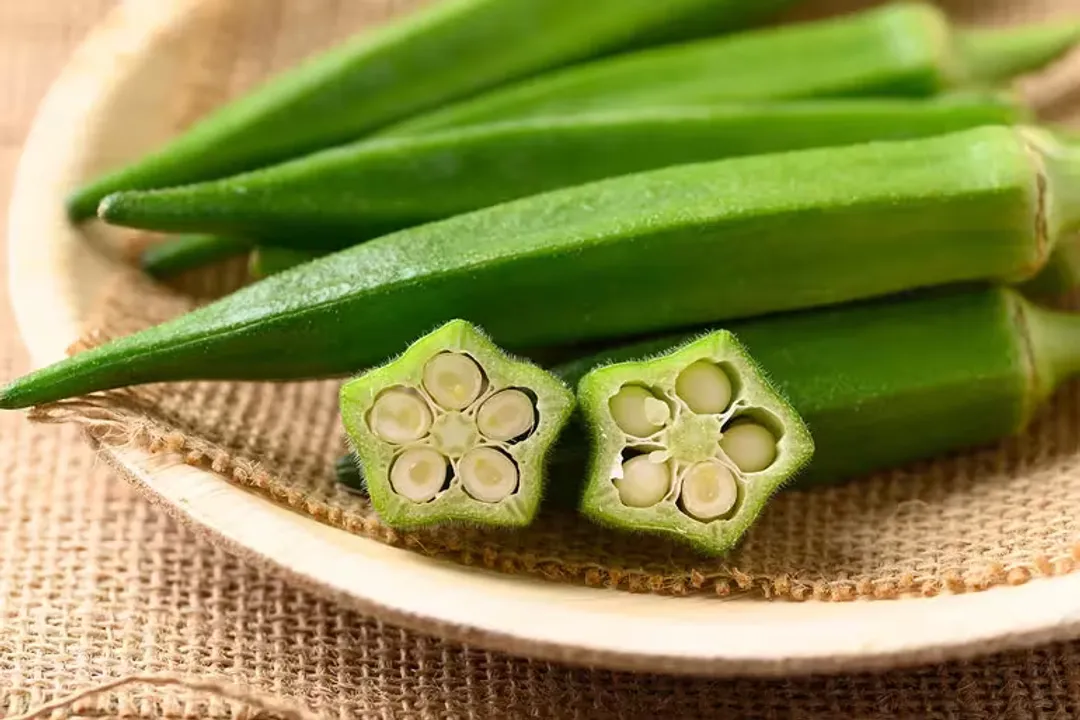
Okra, often recognized for its unique texture and presence in Southern cooking and global cuisines, offers a range of nutritional attributes that can be particularly beneficial for women’s health throughout different life stages. This humble vegetable, technically a fruit related to hibiscus and cotton, packs a respectable punch of vitamins, minerals, and beneficial compounds. [2][4] While general wellness advice often overlooks specific vegetable benefits, okra’s profile suggests it supports areas ranging from digestive regularity to providing essential nutrients needed during reproductive years. [3][4][5]
# Nutrient Density
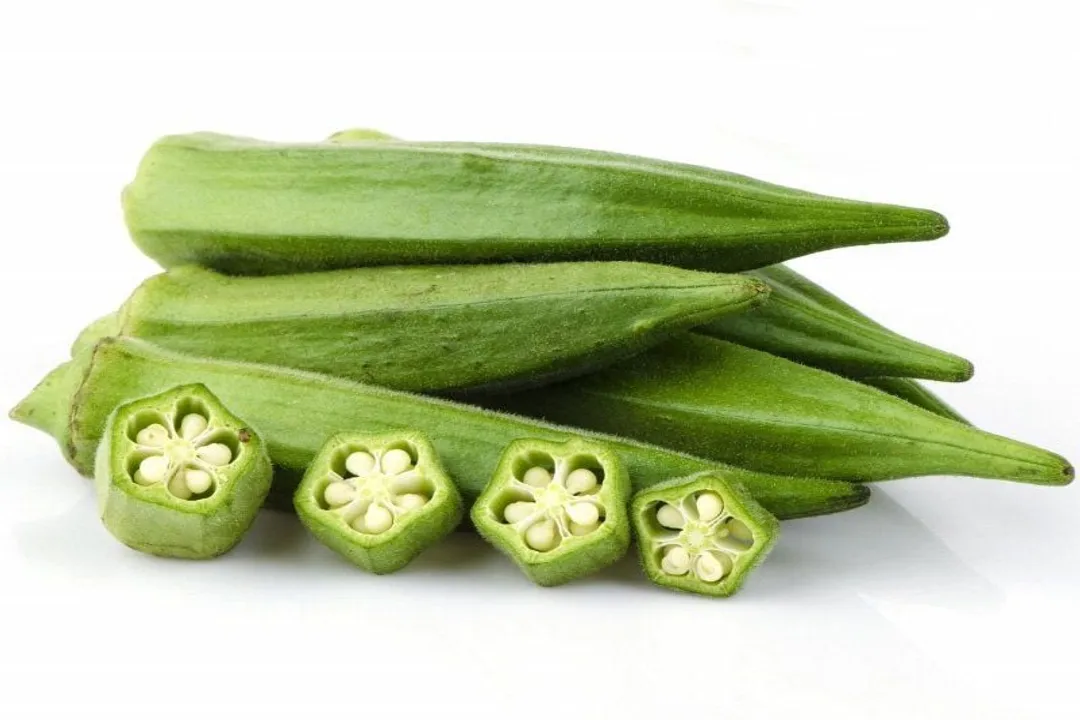
When considering dietary choices, especially for women managing daily energy needs alongside specific health goals, the nutrient-to-calorie ratio is key. Okra excels here; it is low in calories while being rich in several critical micronutrients. [2][4] It provides a good source of Vitamin C, vital for immune function and collagen production, and Vitamin K, which is important for blood clotting and bone health. [2][4] For women who need to maintain nutrient intake while being mindful of overall calorie consumption, the fact that a cup of cooked okra contains only around 35 calories makes it an excellent addition to meals designed for weight management. [2] Furthermore, it contains magnesium, which supports muscle and nerve function, and decent amounts of iron and calcium, which are often areas of concern for women. [2][5] Viewing okra not just as a side dish but as a low-energy vehicle for essential vitamins like C and K allows for easier integration into a diverse, nutrient-dense eating pattern that supports daily vitality. [2]
# Digestive Support

One of okra's most famous characteristics is its mucilaginous, or "slimy," texture when cooked, a quality derived from soluble fiber. [2][3] This fiber acts as a prebiotic, feeding the beneficial bacteria in the gut. [2] A healthy gut microbiome is increasingly understood to influence everything from mood to immune response, making good digestive support foundational to overall well-being. [2]
The fiber in okra also aids in regulating bowel movements by adding bulk to stool and helping waste pass through the digestive tract more smoothly. [4] This dual action—soluble fiber promoting beneficial gut flora and insoluble fiber ensuring regularity—means okra can contribute significantly to maintaining a comfortable and efficient digestive system. [2][4] For many women, maintaining consistent digestive rhythm can be a challenge influenced by diet, stress, and hormonal shifts, positioning high-fiber vegetables like okra as simple, effective dietary aids. [4]

# Blood Sugar Control

Managing blood sugar levels is an important consideration for many women, whether managing existing conditions or looking to prevent future metabolic issues. [2] Okra appears to possess properties that help stabilize glucose levels after meals. [1][2] The rich fiber content, particularly the viscous fiber, works to slow down the digestion and absorption of sugars in the intestine. [1][2] This mechanism results in a more gradual rise in blood glucose rather than a sharp spike, which can prevent energy crashes and improve long-term metabolic health. [2] Some research suggests that compounds within okra, such as polyphenols, might also play a role in modulating glucose metabolism. [1] This effect is particularly relevant when consuming okra alongside carbohydrate-heavy meals, acting as a natural moderator of the meal's glycemic impact. [2]
# Pregnancy Needs
Okra is notably high in folate (also known as folic acid), a B vitamin that is absolutely critical, especially during pregnancy. [2][5] Folate is essential for DNA synthesis and cell division, and adequate intake is vital before and during early pregnancy to help prevent neural tube defects, such as spina bifida, in the developing fetus. [2][5] Given that many women do not meet the recommended daily intake of folate, incorporating folate-rich foods naturally is a proactive step. [5] Furthermore, okra contains a respectable amount of iron, which helps in the production of red blood cells and prevents iron-deficiency anemia, a common concern during the increased blood volume demands of pregnancy. [2][5]

# Antioxidant Defense
The vegetable is a source of antioxidants, compounds that help neutralize harmful free radicals in the body. [4] These free radicals are naturally produced by metabolism but their buildup is linked to cellular damage, aging, and chronic disease development. [4] Okra contains Vitamin C and various polyphenols, which contribute to this protective effect. [2][4] For women focused on maintaining youthful skin health and reducing visible signs of aging, consuming foods rich in Vitamin C is a common and effective strategy, as Vitamin C is essential for the synthesis of collagen, the structural protein that keeps skin firm. [4] By regularly including antioxidant-rich foods, one contributes to the body’s internal defense system against oxidative stress. [4]
# Okra Water Benefits
Beyond consuming the vegetable whole, many traditions recommend drinking okra water, prepared by soaking sliced okra pods in water overnight. [1][3] Proponents suggest that this method can aid in hydration, deliver nutrients in a more easily accessible liquid form, and potentially offer digestive benefits. [1][3] The mucilage, which gives okra its texture when cooked, is released into the water, which some believe acts as a soothing agent for the digestive tract. [3] While the scientific literature on the specific efficacy of okra water versus cooked okra is still developing, consuming more water is inherently positive for overall bodily function and skin hydration. [1][3] A practical application for those hesitant about the slimy texture is to add a squeeze of fresh lemon or lime juice to the soaking water; the mild acidity can sometimes slightly mellow the mucilage without destroying the beneficial properties, making the resulting water more palatable for a morning drink. [3]
# Considerations and Cautions
While okra presents numerous advantages, it is important to consider potential drawbacks, especially regarding specific health conditions. [6] One primary consideration is the oxalate content. [6] Okra is relatively high in oxalates, which are naturally occurring compounds that can contribute to the formation of kidney stones in susceptible individuals. [6] If a woman has a history of oxalate-based kidney stones, moderation or consultation with a healthcare provider regarding consumption levels would be wise. [6]
Additionally, some individuals report gastrointestinal discomfort after consuming okra, which might be related to its high fiber content if introduced too rapidly into the diet. [6] It is sensible to introduce any high-fiber food gradually to allow the digestive system time to adjust. [6] Finally, there is anecdotal evidence suggesting that very high consumption might interfere with the absorption of certain medications, although this is not widely documented in major nutritional guidelines, underscoring the need for variety in the diet rather than relying on any single vegetable exclusively. [6]
# Cooking Methods
The way okra is prepared significantly impacts its texture and nutrient retention. [4] One common technique used to minimize the sliminess is dry-roasting or briefly sautéing the pods before adding them to wet ingredients. [4] Another effective method involves quickly blanching the okra in boiling water before steaming or adding it to soups or stews. [4] For maximum nutrient retention, light cooking methods are often preferred over prolonged boiling, which can cause water-soluble vitamins like Vitamin C to leach into the cooking liquid. [4] For instance, stir-frying okra quickly with other colorful vegetables and a healthy fat source like olive oil helps ensure good absorption of fat-soluble vitamins while maintaining a desirable, slightly crisp texture. [4]
| Nutrient Highlight | Primary Benefit for Women | Source Type |
|---|---|---|
| Folate (Folic Acid) | Fetal development, red blood cell formation [2][5] | Vitamin/Mineral |
| Vitamin C | Collagen production, immune support [2][4] | Antioxidant/Vitamin |
| Fiber (Soluble & Insoluble) | Digestive regularity, blood sugar modulation [2][4] | Macronutrient |
| Iron | Combating fatigue and anemia [5] | Mineral |
By understanding its rich nutritional makeup and considering how to best incorporate it—whether cooked lightly, soaked as a morning tonic, or added to stews—okra stands out as a valuable, accessible vegetable for supporting women’s diverse health requirements. [1][2][4]
Related Questions
#Citations
6 Possible Health Benefits of Okra Water - GoodRx
7 Nutrition and Health Benefits of Okra - Healthline
The Amazing Powers of Okra Water (It's the Okra, Not the Water)
Health Benefits of Okra - WebMD
5 Benefits of Eating Okra - Cleveland Clinic Health Essentials
Disadvantages of Okra For Women | AGE QUENCHER™
What are the benefits of eating okra? | Vinmec
Understanding the traditional values and use of okra among ...
Okra Water: Does it Have Any Health Benefits? - ZOE