What to do when you step on coral?
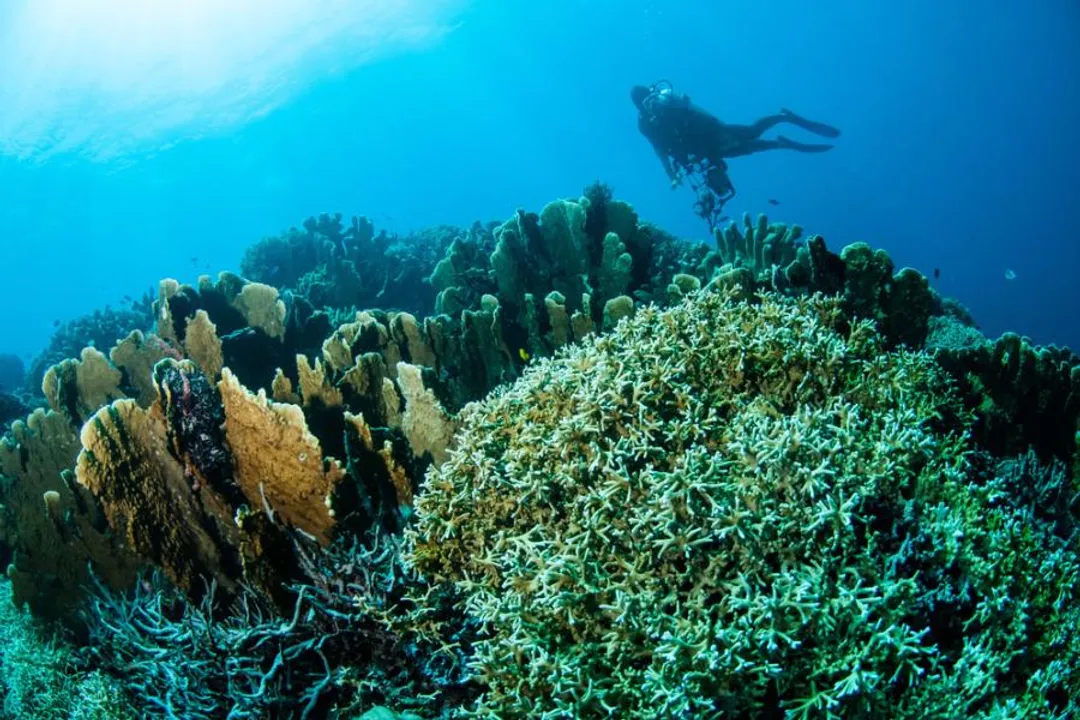
Stepping directly onto coral, whether during a casual wade or an accidental slip underwater, is an immediate, often painful experience marked by sharp, grinding pain followed by a burning sensation. [1][9] Unlike a clean laceration, coral contact usually results in a scrape, puncture, or abrasion riddled with tiny, sharp fragments and contaminated with marine material. [1][4] The immediate response sets the tone for recovery, making a calm, methodical approach essential to prevent complications.
# Immediate Actions
The very first priority, even before assessing the damage, is to get safely out of the water if you are still submerged, especially if the area is rough or if you suspect contact with a more dangerous species like fire coral. [3] Once safe on dry land or the boat deck, resist the urge to rub the wound, as this can embed fragments deeper or introduce more surface bacteria. [1]
# Fire Coral Warning
Not all coral is the same, and certain types demand a much faster, different response. Fire coral, which is actually a hydrozoan and not a true coral, causes immediate, intense pain upon contact due to nematocysts (stinging cells) being released. [3][9] If you suspect fire coral, the immediate protocol changes slightly. For typical stony coral scrapes, thorough rinsing is key, but for fire coral exposure, you should ideally soak the area in hot water, as hot as tolerable without causing burns, for about 20 minutes to denature the venom. [3] While fire coral is a distinct emergency, for standard stony coral wounds, the focus shifts rapidly to debris removal. [9]
# Wound Cleaning
Proper cleaning is critical because coral wounds are notoriously prone to infection due to the contamination from the reef environment. [4][8] The goal is to remove all visible foreign material, which can include calcium carbonate shards, sand, algae, and microorganisms. [1]
# Rinsing Methods
Begin by flushing the wound vigorously. If you have access to fresh, clean water—bottled or tap water—use it liberally to wash away surface debris. [4] Some sources suggest that an initial flush with fresh water is beneficial to wash away surface contaminants before any soaking, while others emphasize soaking in salt water immediately if only seawater is available. [1][8] A key consideration here is the temperature of the rinse water; while hot water is specific for fire coral venom, for a standard scrape, using mildly warm water for the initial rinse can sometimes be more soothing than cold water, though the most critical factor remains the sheer volume of water used to flush the area. [4]
# Debris Removal
After the initial rinse, look closely at the wound for embedded particles. Small, superficial pieces of coral or sand should be gently removed using sterilized tweezers, or if tweezers aren't available, by scraping gently with a clean, dull edge like a credit card edge, again, only if the debris is clearly visible on the surface. [1]
One common point of debate in marine injury care involves dealing with fragments that are deeply embedded. Many texts advise against aggressively digging out deep fragments yourself, as this can cause further tissue damage or push the particle deeper, increasing the risk of a foreign body reaction or deep infection. [8] If a piece is deeply lodged, the priority shifts from DIY removal to professional medical assessment. A scenario many divers encounter is the appearance of a tiny black dot that emerges days later; this is often a deeply embedded piece of the coral skeleton or even a piece of the urchin spine if the injury was misidentified initially.
Comparing Treatment Approaches: While immediate rinsing is universally recommended, the subsequent steps can vary slightly based on local protocols. One approach favors a long, sustained soak in vinegar or diluted bleach solution (after initial freshwater rinsing) to help dissolve fine calcium particles and kill bacteria, whereas another, perhaps more conservative, path sticks strictly to gentle soap and water rinsing followed by antibiotic ointment application. [4][8] The underlying principle remains consistent: mechanical removal followed by antiseptic treatment.

# Post-Cleaning Care
Once the wound is as clean as possible, the next phase involves managing pain and preventing secondary infection.
# Soaking Treatments
After the initial cleaning, soaking the wound can still be beneficial. Soaking in salt water (perhaps an Epsom salt solution if available) for 15 to 20 minutes twice a day can help draw out any remaining irritants and keep the tissue moist, which aids healing. [4][8] However, prolonged soaking should be avoided, as overly wet conditions can encourage bacterial growth rather than healing. [1]
# Topical Applications
Apply an antibiotic ointment to the cleaned area. [4][8] This provides a barrier and actively works to fight off common skin bacteria. It is important to keep the wound covered with a sterile bandage after applying the ointment, changing the dressing at least once a day, or more often if it gets wet or dirty. [1][4] If you have a known allergy to standard over-the-counter ointments, consult with a healthcare provider for alternatives, but generally, keeping the wound covered and medicated is the standard advice for cuts that breach the skin barrier. [8]
# Identifying Infection
Coral wounds, especially puncture wounds, are prone to infection, often caused by marine bacteria that thrive in those environments. [4][8] Recognizing the signs of an evolving problem early is vital for a quick recovery.
# Watch Points
You need to monitor the site closely for several days. Classic signs of infection include:
- Increased Pain: Pain that worsens significantly after the first 24 hours, rather than slowly improving. [7]
- Redness and Swelling: Redness spreading outward from the injury site (cellulitis) or pronounced swelling. [5][7]
- Pus or Drainage: Any thick, cloudy, or foul-smelling discharge should be taken seriously. [5]
- Heat: The skin around the wound feeling unusually warm to the touch compared to surrounding areas. [5]
- Systemic Symptoms: Developing a fever or chills, indicating the infection may be spreading systemically. [7]
If you notice any of these signs, particularly worsening pain or fever, seeking professional medical attention should be the immediate next step, rather than continuing home treatment. [5][7] A marine-related infection can progress quickly if not treated with appropriate systemic antibiotics.
# Seeking Expert Care
While many minor scrapes heal with diligent home care, there are specific situations where professional medical intervention is required immediately, not just if infection sets in later.
# Deep or Major Injuries
Any injury that is deep, large, jagged, or involves significant tissue loss warrants a doctor's visit right away. [8] If the injury involves a joint or if you cannot stop the bleeding after 10 minutes of direct pressure, seek emergency care. [8] Furthermore, if you have any doubt at all about having removed all the embedded debris, have a physician examine it. Attempting to remove deeply embedded coral fragments yourself risks leaving behind material that can cause chronic inflammation or granulomas later on. [1]
It is also wise to confirm your tetanus immunization status. Like any puncture wound, a coral scrape is a risk factor for tetanus, and you should ensure your booster is current, ideally within the last five to ten years, depending on current health guidelines. [8]
If you are traveling in a region where water quality or access to sterile medical supplies is questionable, it is advisable to err on the side of caution and have a dive medic or physician look at the wound, even if it seems minor initially. Having a doctor specifically examine a coral injury allows them to properly gauge the risk of specific local marine pathogens, which is information general practitioners outside of tropical areas might not encounter frequently.
#Videos
The Surgeons Guide To Cleaning Reef Cuts - Surfing Explained
Related Questions
#Citations
Healthy Diving: Treating Coral Scrapes and Sea Urchin Wounds ...
Coral Cuts First Aid, Treatment, Symptoms & Healing Time
Marine Stings and Scrapes | NorthShore - Endeavor Health
What to do if you touch fire coral in the ocean - Facebook
Coral injury : r/diving - Reddit
The Surgeons Guide To Cleaning Reef Cuts - Surfing Explained
Expert Advice on Treating Coral Cuts and Infections - JustAnswer
Coral Cuts, Scrapes and Rashes | DAN Southern Africa
Step on Fire Coral? Here's Everything You Need to Know.