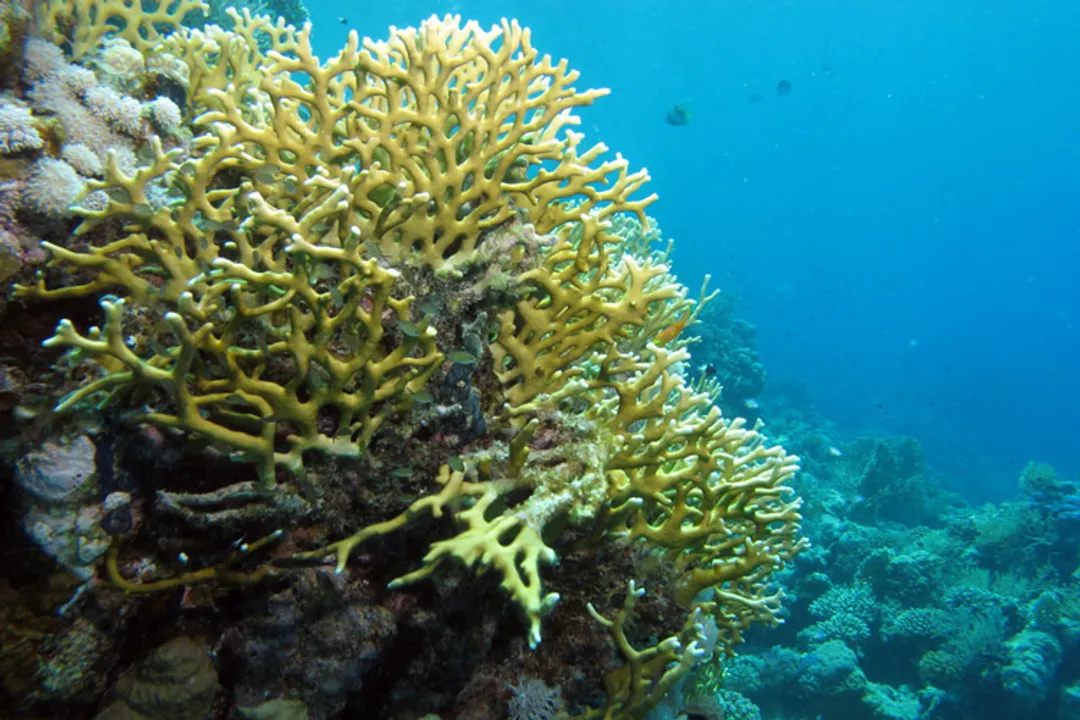
How do injuries caused by sharp and abrasive underwater structures differ in healing from venomous stings like fire coral?
They heal like any standard wound, potentially taking days to weeks depending on size and location
The body treats a mechanical injury from underwater structures—such as a cut, scrape, or abrasion caused by sharp coral skeletons—fundamentally differently than a chemical injury from venom. Mechanical injuries are essentially puncture wounds or skin tears that breach the epidermal barrier. Consequently, their healing trajectory follows the standard protocols for wound repair, relying on clotting, cellular regeneration, and scar formation if necessary. The duration is highly variable, directly correlated with the physical size and location of the wound. Furthermore, these types of injuries carry a distinct inherent risk: bacterial infection, as the compromised skin allows environmental microbes to enter. This contrasts sharply with venomous stings, where the primary immediate concern is neutralizing the injected toxin, although secondary infection remains a risk for deep venomous injuries as well.