How long does cold shock last?
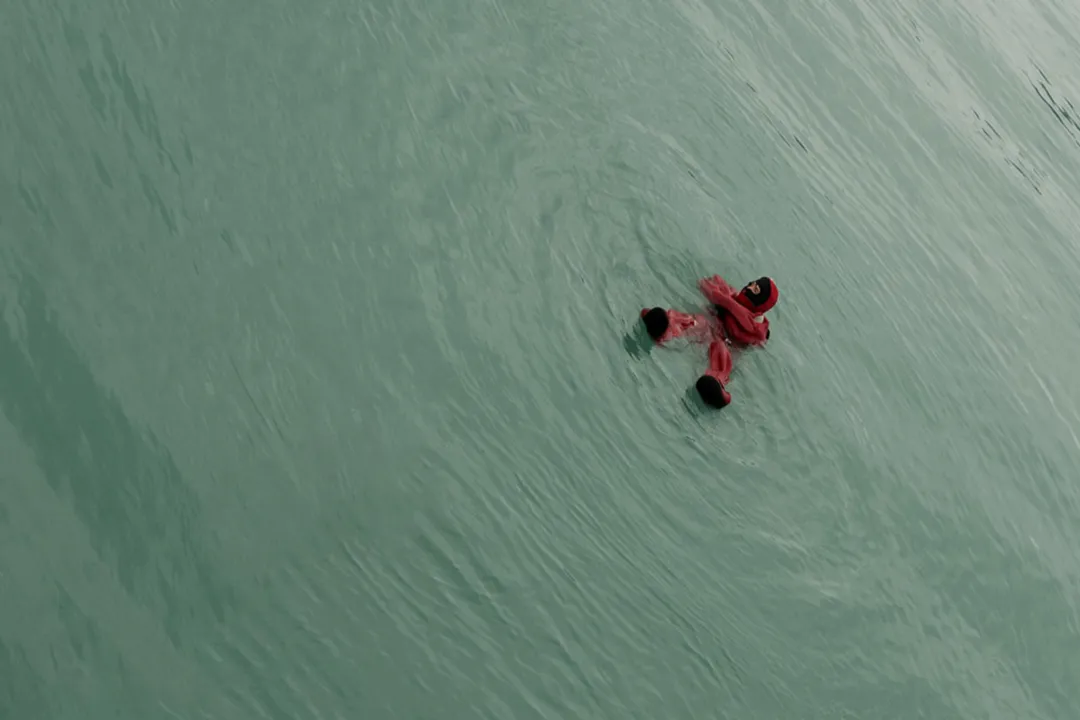
The duration of cold shock is surprisingly brief, yet it represents the most immediate life-threatening phase following unexpected immersion in cold water. While many focus on the long, slow decline associated with hypothermia, the body’s initial, violent reaction to sudden cold exposure—the cold shock response (CSR)—is a matter of minutes, typically lasting between one and three minutes. [1][4] This short window is crucial because the effects during this time are largely involuntary and can lead directly to drowning if not managed correctly. [2][4] Cold water is generally defined as water below () for the purposes of triggering this extreme reaction. [2][4][7]
# Body Reaction
When skin temperature drops rapidly, the nervous system triggers a cascade of physiological events aimed at survival, which ironically become dangerous in the context of water immersion. The primary features of the cold shock response are immediate, uncontrolled hyperventilation and a sharp increase in heart rate and blood pressure. [1][2][4][7]
The gasp reflex is the most hazardous component. This is an involuntary, deep inhalation that can occur even if the person is fully submerged or attempts to hold their breath. [1][4] If the head is underwater when this gasp occurs, the person will likely inhale water, leading to drowning very quickly. This initial stage of uncontrolled breathing can last for about a minute. [4] Simultaneously, the surge in heart rate and blood pressure can put significant strain on the cardiovascular system, potentially leading to cardiac arrest in susceptible individuals. [5][7]
The entire cold shock period, where the breathing and heart rate remain violently out of control, is generally cited as lasting only one to three minutes. [1][4] If a person can remain calm and keep their head above water for this short time—perhaps by floating or using a flotation device—the violent physiological reaction begins to subside, transitioning the individual into the next phase of cold water survival.
# Shock Timeline
Understanding that the cold shock phase is measured in mere minutes helps frame survival priorities. The sequence of events in cold water immersion follows a fairly predictable, though rapid, timeline based on water temperature:
- Cold Shock (0–3 Minutes): Characterized by the gasp reflex, hyperventilation, and cardiovascular stress. [1][4][7] Survival during this phase depends entirely on controlling the airway.
- Cold Incapacitation (Approx. 3–30 Minutes): As the exposed limbs cool, blood flow is restricted, and nerve function rapidly declines. [1][7] This leads to a loss of dexterity and muscle strength, meaning the ability to perform coordinated tasks, such as swimming effectively or pulling oneself onto a boat, is lost. [4] For instance, the ability to hold onto a rope or operate a radio is typically gone within 5 to 15 minutes, depending on the water temperature. [1][7]
- Hypothermia (Hours): This is the slow, gradual drop in core body temperature that sets in after the initial shock and incapacitation phases have passed. While life-threatening, it takes considerably longer to become fatal than the first two stages. [4][5][9]
It is insightful to compare the speed of these physical breakdowns. While the initial shock (the panic and hyperventilation) passes in under three minutes, the period where you can still effectively swim or save yourself ends around the 10-minute mark due to incapacitation. [1][4] This means the decision window for active self-rescue shrinks far faster than the initial respiratory shock. If you survive the first three minutes of gasping, you still have only another seven minutes of functional limb use before simple tasks become impossible.
# Limb Failure
Cold incapacitation is a direct consequence of the body prioritizing blood flow to the core organs, effectively shutting down function in the extremities to conserve heat. [7] This is an adaptive mechanism, but it severely limits survivability once self-rescue options are available.
The speed at which this occurs is shocking: in water around (), significant loss of grip strength can happen in as little as 5 to 10 minutes. [1][4] If you are wearing gloves or heavy clothing, the onset might be slightly delayed, but the underlying nerve and muscle impairment is still rapid.
Consider the typical scenario for someone falling from a boat: They might be able to tread water or grab a rail during the initial shock phase (0–3 minutes). However, once cold incapacitation sets in, their ability to climb a ladder or even effectively swim alongside a vessel is drastically compromised. A common error is assuming that because the initial gasp is over, the danger has passed; in reality, the inability to perform fine motor skills or maintain a secure grip renders rescue far more difficult for those assisting. [7]
# Immediate Actions
Since the cold shock response is defined by its brief, violent nature, the survival strategy centers entirely on managing those first few minutes. The primary goal during the 1 to 3 minute cold shock window is airway control. [1][4]
To maximize your chances of surviving this initial period, the following sequence of actions is critical:
- Stop and Think: Fight the instinct to thrash or panic. Take a moment, even if just a second, to consciously control your breathing before the gasp reflex takes over. [2]
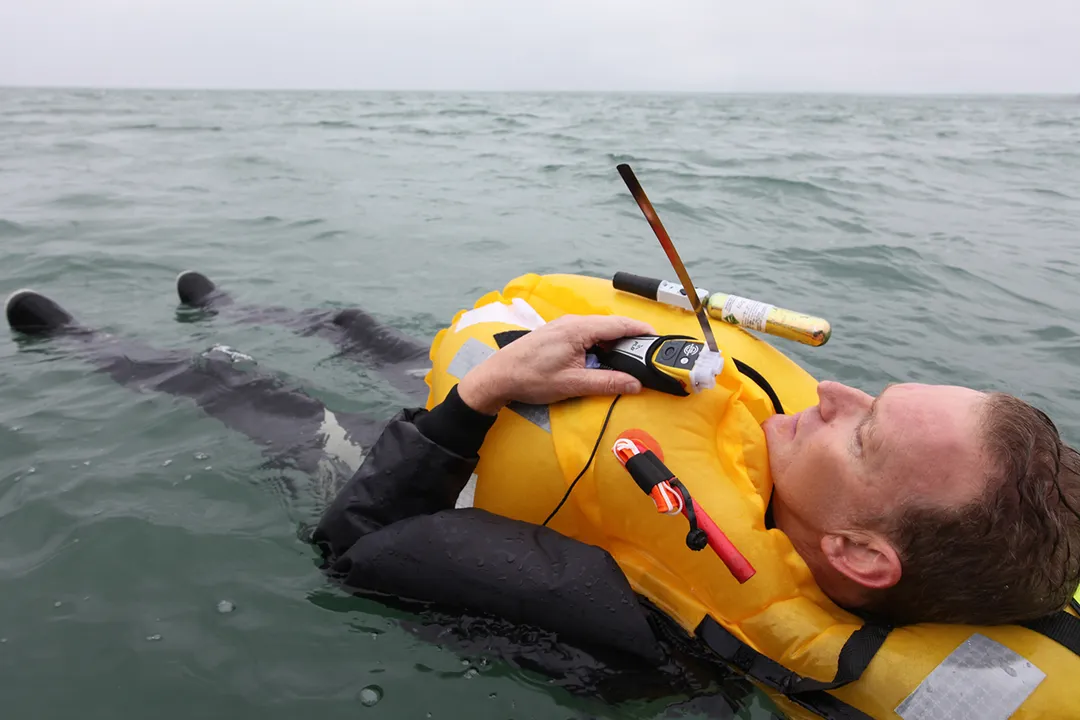
- Keep Head Up: Your absolute priority is keeping your mouth and nose clear of the water. [1][4] If you are wearing a lifejacket, it will assist you; if not, focus solely on floating face-up or treading water minimally.
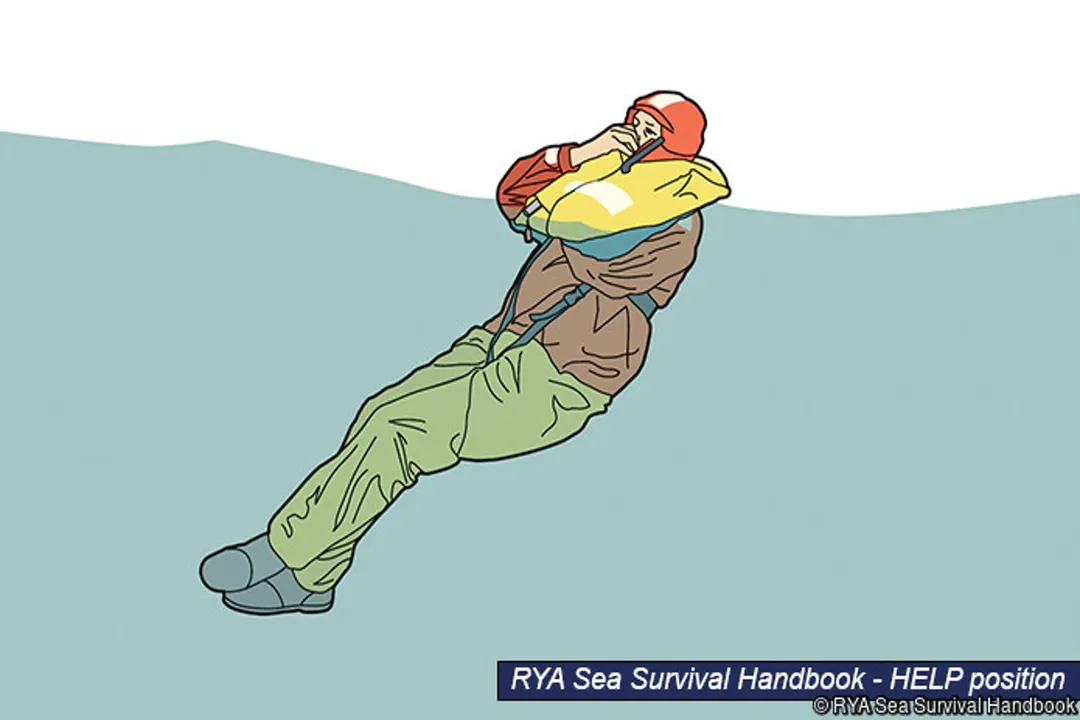
- Use the "Huddle or Hold": Once the initial gasp subsides (after about 3 minutes), the objective shifts to conserving energy and delaying systemic cooling, which leads to incapacitation. If there are others in the water, adopt the Huddle Position—group together, chests pressed together, with arms wrapped around each other to protect the core. If alone, adopt the HELP (Heat Escape Lessening Posture): cross your arms over your chest and draw your knees up to your chest. [4][7] This posture significantly reduces heat loss from the areas where the body loses heat most rapidly: the groin, armpits, and neck.
A common point of confusion is the difference between the survival time due to shock and the time until serious hypothermia sets in. While the body loses heat quickly, core temperature dropping to dangerous levels usually takes hours, depending on the water temperature and whether the person is wearing protective clothing. [9] The immediate risk is drowning from the shock or being unable to self-rescue during incapacitation, not the slow creep of core temperature drop itself. [5] Thinking of cold water survival as two separate races—a three-minute sprint to control breathing, followed by a ten-minute window for physical rescue/climbing—can provide better mental preparedness than focusing solely on the hours-long battle against hypothermia.
Related Questions
#Citations
Cold shock response - Wikipedia
Cold Shock - cold water safety
Cold Water Shock: Causes, Symptoms, Treatment and Prevention
Cold Water Safety - Washington State Parks
How cold water kills so quickly | National Fisherman
Cold Water Shock and Hypothermia
1-10-1 Principle - Canadian Safe Boating Council
[PDF] COLD SHOCK HYPOTHERMIA - Water Safety Ireland
How Long Does It Take to Get Hypothermia in Cold Water?