Are tangelos better for you than oranges?
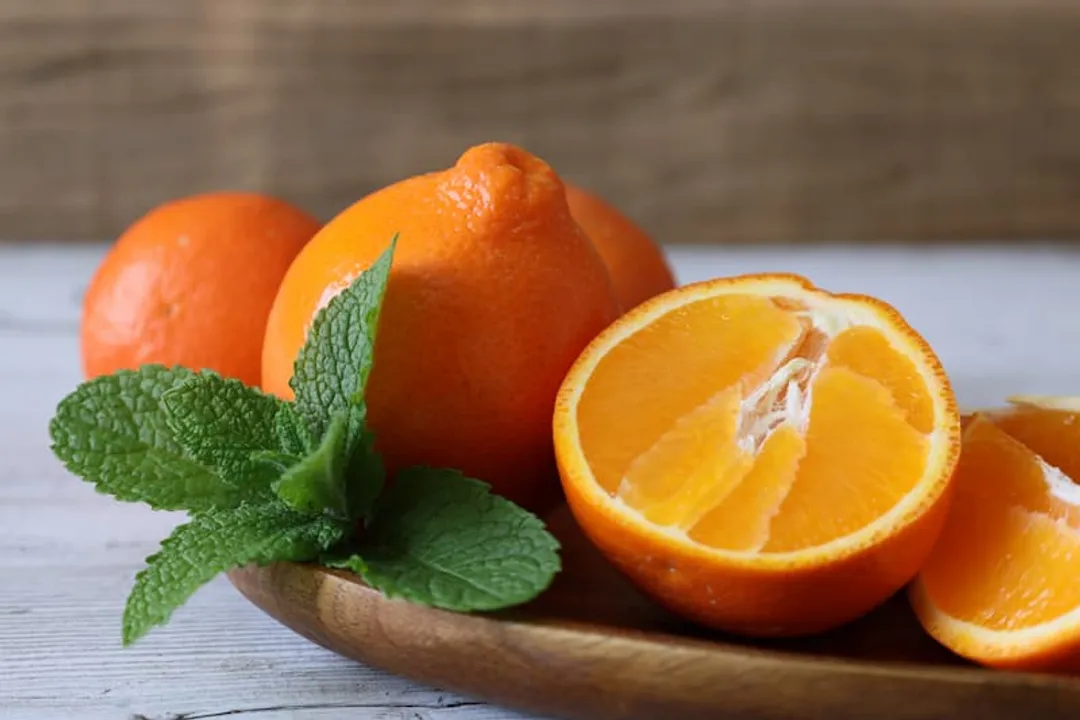
The world of citrus offers a wonderful array of bright, zesty options, but few generate as much good-natured debate as the comparison between the classic orange and its slightly less common cousin, the tangelo. Both fruits grace the produce aisle with their vibrant hues and deliver a powerful punch of refreshment, but when you look closely at their lineage, appearance, and specific nutrient load, subtle distinctions emerge. Understanding these differences can help you decide which flavorful sphere deserves a place in your next snack rotation.
# Ancestry Defined
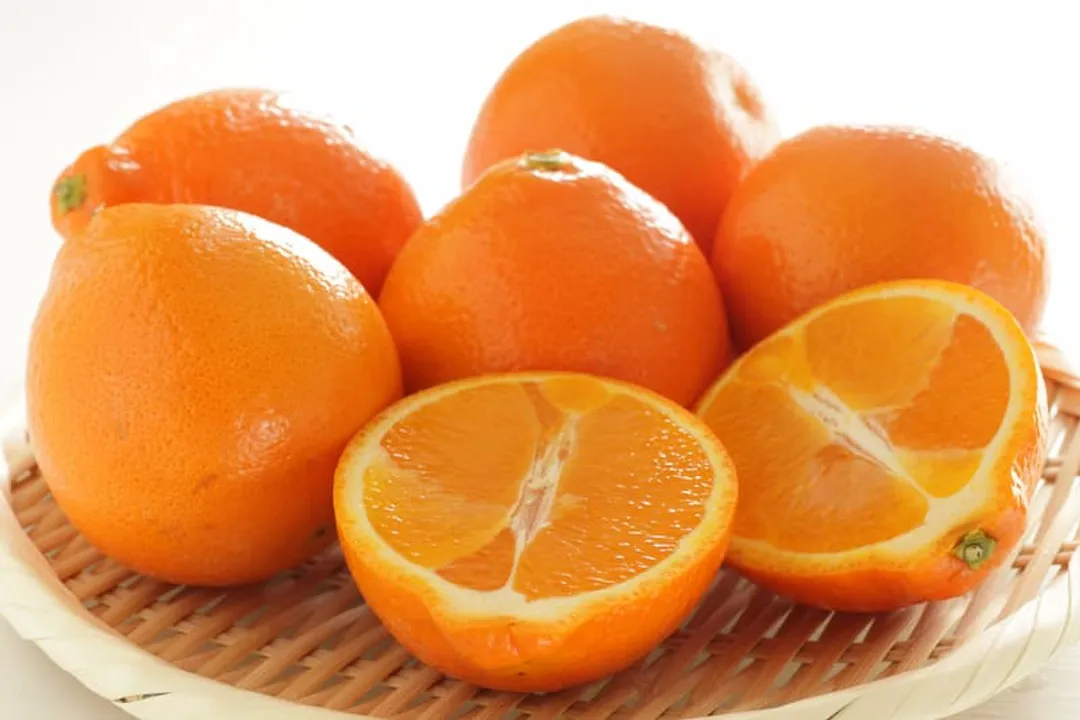
Citrus fruits share a deep and complex family tree, often involving multiple natural and historical crosses. The standard orange, for instance, is a known hybrid, born from combining the pomelo and the mandarin centuries ago in Asia. [4] The tangelo is a more recent development, conceived in the United States in the early twentieth century. [6] A tangelo is specifically a hybrid of a tangerine (which is itself a subgroup of mandarin) crossed with either a pomelo or a grapefruit. [6] This hybrid background explains why a tangelo often carries flavor notes that bridge the gap between a purely sweet mandarin and the more acidic profile of a grapefruit. [6]
For example, the popular Minneola tangelo, often called the Honeybell, is famed for its juicy, sweet-tart taste. [6] Tangerines, in general, are often cited as being sweeter and less tart than oranges. [4] This hints at the tangelo inheriting a bit more of that balancing tartness from its grapefruit parentage, resulting in a flavor profile that balances bright acidity with honeyed richness. [6]
# Physical Markers
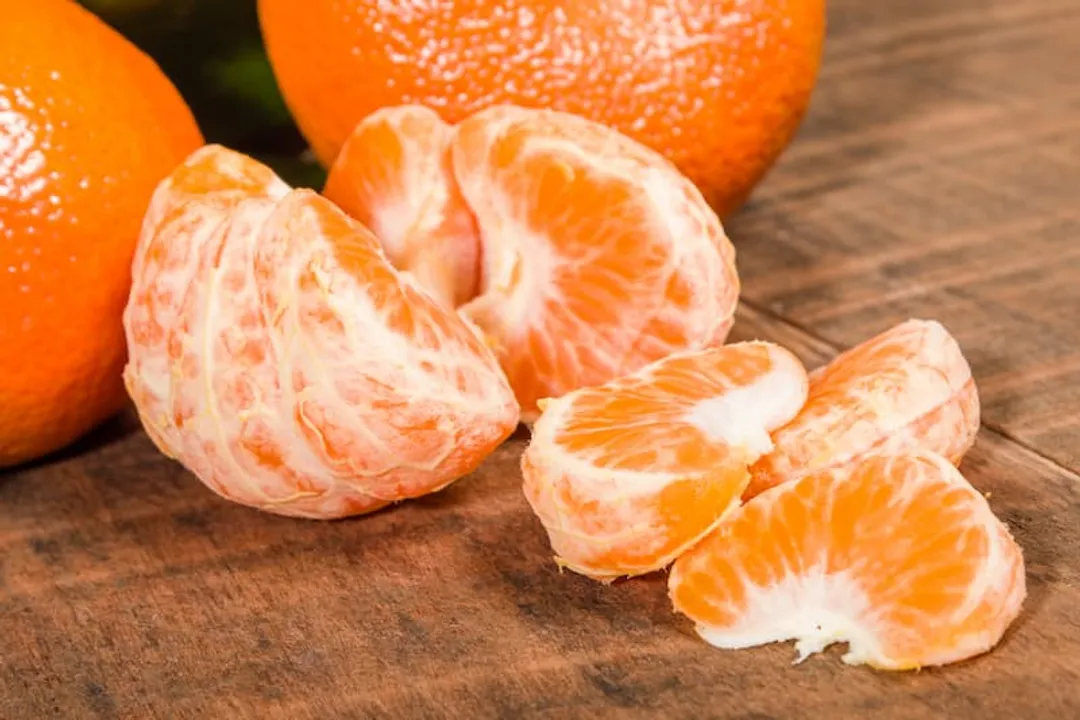
When looking at these fruits side-by-side, size and shape are the most immediate telltales. Generally speaking, oranges grow larger and tend to have a more perfectly rounded shape. [4] Tangelos, conversely, are often described as smaller and somewhat flattened, earning them the moniker of "baby oranges" in some contexts. [4] One distinctive feature found on many tangelo varieties, most famously the Minneola, is a pronounced nipple or "neck" at the stem end, giving them a bell-like appearance. [6] Furthermore, ripe tangerines are often softer to the touch compared to the firmer, heavier feel of a ripe orange. [4]
The ease of preparation is another significant differentiator. Oranges typically have a tighter skin that requires more effort to remove. [4] Many tangelo varieties are celebrated for their "zipper-skin"—a thin, loose peel that slides off easily, making them an ideal, fuss-free snack, particularly when time is short. [4] Color-wise, while both range from orange to reddish-orange, tangerines often lean toward the reddish side, whereas common oranges are more yellow-orange, with the exception of the dark-fleshed blood orange. [4]

# Nutritional Comparison Chart
Both whole tangerines and oranges are nutritious, low-calorie choices, high in water content, and nearly devoid of fat. [4] For a meaningful comparison, examining a standard 100-gram serving provides clarity on where each fruit shines:
| Nutrient (per 100g) | Tangerine | Orange | Key Difference |
|---|---|---|---|
| Calories | 53 | 47 | Orange is lower [4] |
| Carbohydrates | 13.3 grams | 11.7 grams | Tangerine slightly higher [4] |
| Fiber | 1.8 grams | 2.4 grams | Orange is higher [4] |
| Vitamin A | 14% DV | 4% DV | Tangerine provides significantly more [4] |
| Vitamin C | 44% DV | 89% DV | Orange is more than double [4] |
| Folate | 4% DV | 8% DV | Orange is higher [4] |
| Potassium | 5% DV | 5% DV | Equal [4] |
As this snapshot suggests, the competition is tight but defined by specialization. The orange is the clear powerhouse for Vitamin C, offering over twice the Daily Value found in an equivalent weight of tangerine. [4] Oranges also edge out tangerines slightly in dietary fiber and have a marginal calorie advantage. [4] Tangelos, conversely, take the lead in Vitamin A content, delivering more than three times the percentage of the daily value. [4] Both fruits contribute valuable amounts of potassium, thiamin, and folate to the diet. [4]
# Focus on Key Vitamins
The higher Vitamin C content in oranges is certainly notable, as this water-soluble antioxidant is crucial for fighting free radicals and supporting connective tissues like skin, bones, and blood vessels. [4] Studies related to orange consumption, especially juice, have indicated benefits such as decreased DNA damage and lower levels of "bad" LDL cholesterol. [4] Furthermore, a large survey suggested that higher serum Vitamin C levels were associated with a lower prevalence of H. pylori, the bacteria responsible for stomach ulcers, linking orange consumption to potential ulcer prevention. [4]
While tangerines contain less Vitamin C, they compensate by providing a better boost of Vitamin A. [4] The high Vitamin C found in tangerines still supports skin health through its role in collagen production and may help prevent sun damage. Tangerine consumption has also been linked to supporting eye health by potentially delaying the onset of age-related macular degeneration and cataracts.

# Fiber and Medication Safety
Dietary fiber is a critical component for satiety, blood sugar management, and reducing the risk of heart disease, making both fruits excellent choices when eaten whole rather than juiced. [4] While oranges hold a small edge in fiber per 100 grams, the practical reality of consumption plays a role. If the ease of peeling a tangelo results in you consuming more pieces throughout the week than you might otherwise eat due to the hassle of peeling a firm orange, the total daily fiber intake could favor the tangelo simply through increased consumption frequency.
An important safety consideration comes from looking at the hybrid lineage. Grapefruit is well-known for potentially interfering with the metabolism of certain prescription drugs by blocking the CYP3A4 enzyme in the small intestine, leading to higher drug concentrations in the blood. Tangelos, being crosses with grapefruit or pomelo, are different from their grapefruit relative in this regard. Specifically, tangelos generally do not contain the furocoumarins at levels that cause this medication interaction, making them a safer citrus switch for those on statins or similar prescriptions. [6]
# Culinary Uses and Zest Potential
Both fruits are superb eaten fresh, but their physical differences dictate different roles in the kitchen. The easy-to-peel nature of the tangelo makes it the perfect grab-and-go option; it's sweet enough to serve as a natural dessert substitute, perhaps topped with a little yogurt. Tangelos are also highly regarded for juicing, yielding a sweet and aromatic beverage. [6]
The orange remains the standard, though specific varieties like the common Navel (often seedless) and Valencia (usually seeded) offer different textures and uses. [4] However, don't overlook the peel. While you might discard the pith (the soft white layer) on a tangerine for aesthetic reasons, that layer contains fiber and nutrients. Furthermore, tangerine peels, once dried and processed into chen pi in Chinese tradition, offer a pungent, concentrated flavor that can be added to savory dishes or warm beverages like mulled cider.

# Beyond the Scale Simple Count
When we move away from strict metric comparison, we enter the realm of practical eating habits. Since both are healthy, low-calorie options, the "better" fruit often defaults to the one you will actually eat. If wrestling with a thick-skinned orange results in you only finishing half of it, while the simple zipper-skin of a tangelo encourages you to finish two, the tangelo wins on sheer volume of nutrients consumed.
Consider this simple calculation: If an orange provides of fiber and a tangelo provides , the orange leads by per . [4] However, if you normally eat one orange but find yourself easily eating two smaller tangelos because they are so simple to manage, you consume of fiber from the tangelos—significantly more than the single orange—plus a higher dose of Vitamin A. [4] This illustrates that consumption logistics can outweigh marginal nutritional differences on a per-gram basis.
Another point of difference lies in their specialized flavor profiles. While oranges provide a reliable, balanced citrus flavor, the tangelo's background of both mandarin and grapefruit means it often delivers a more intense flavor experience that doesn't linger as long as an orange's aftertaste. [4] If you are preparing a dish where you want a strong, zesty hit that doesn't dominate the entire flavor profile, the tangelo's concentrated taste might be preferable to the standard orange juice in a vinaigrette or salsa, as noted in common citrus recipes.
# Seasonality and Selection
Timing your purchase can affect both quality and price. Tangelos, particularly varieties like the Minneola, generally peak between late October and January. [4][6] Oranges have a slightly longer peak window, running from around November through March for many varieties. [4] When selecting, look for tangerines that are deep in color and semi-soft, avoiding brown spots. [4] For oranges, prioritize firmness and smoothly textured skin, as color intensity alone doesn't guarantee ripeness. [4] Both types store well; at room temperature they last about a week, but in the refrigerator, a tangelo can remain fresh for three to four weeks. [6]
In the end, whether you reach for the slightly sweeter, easier-to-peel tangelo or the slightly more Vitamin C-dense, larger orange, you are choosing a fruit packed with beneficial antioxidants and hydrating water content. [4] The choice is less about finding a definitive winner and more about selecting the right tool—or snack—for the moment, based on your need for easy peeling, potent Vitamin C, or that signature sweet-tart hybrid flavor.
Related Questions
#Citations
Tangerines vs Oranges: How Are They Different?
What's better for overall nutrition? Clementines or oranges?
Tangelo: Health Benefits, Uses, Growing Tips - Gardenia.net
Health Benefits of Tangerines
Oranges VS Tangerines! Which is Better?
Add citrus colors, flavors to meals