Can you eat peas on an anti-inflammatory diet?

Integrating peas into an anti-inflammatory diet is not only possible but highly recommended. These small green legumes are packed with fiber, plant-based protein, and specific phytonutrients that support the body’s natural defenses against chronic inflammation. [1][2][5] Because they bridge the gap between being classified as a vegetable and a legume, they offer a dual benefit, providing both the vitamin density of greens and the stable energy profile of beans. [4][5]
Many people associate anti-inflammatory eating strictly with expensive superfoods, yet staples like peas remain foundational. [6] Incorporating them does not require complicated recipes or exotic ingredients; they are versatile, shelf-stable in their frozen form, and accessible in most grocery stores. [3][7] Understanding how to prepare and combine them effectively allows for a significant improvement in the daily nutritional profile without increasing the complexity of meal planning. [8]
# Legume Benefits
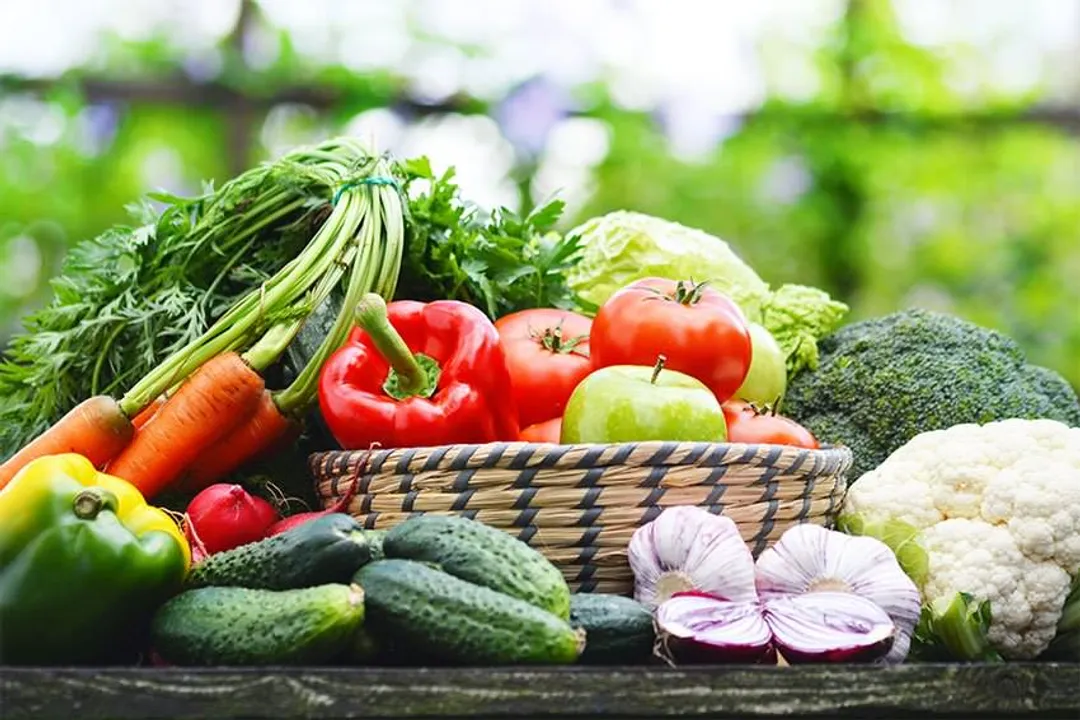
Legumes, including peas, lentils, and beans, occupy a central role in established anti-inflammatory eating patterns like the Mediterranean diet. [2][6] When discussing inflammation, the focus often lands on high-fiber foods that help regulate blood sugar levels and support a healthy microbiome. [1][9] Fiber is not merely roughage; it is a critical substrate for gut bacteria that produce short-chain fatty acids, which play a direct part in modulating the immune system. [5][7]
Peas specifically are rich in these dietary fibers. Unlike refined carbohydrates, which can trigger spikes in glucose and subsequent inflammatory responses, the complex carbohydrates in peas digest slowly. [4] This gradual release of energy prevents the "sugar crash" that often correlates with the consumption of processed snacks. [9] Furthermore, the protein content in peas—while plant-based—provides necessary amino acids without the inflammatory saturated fats often found in red meat or processed protein sources. [1][8]
# Frozen Quality
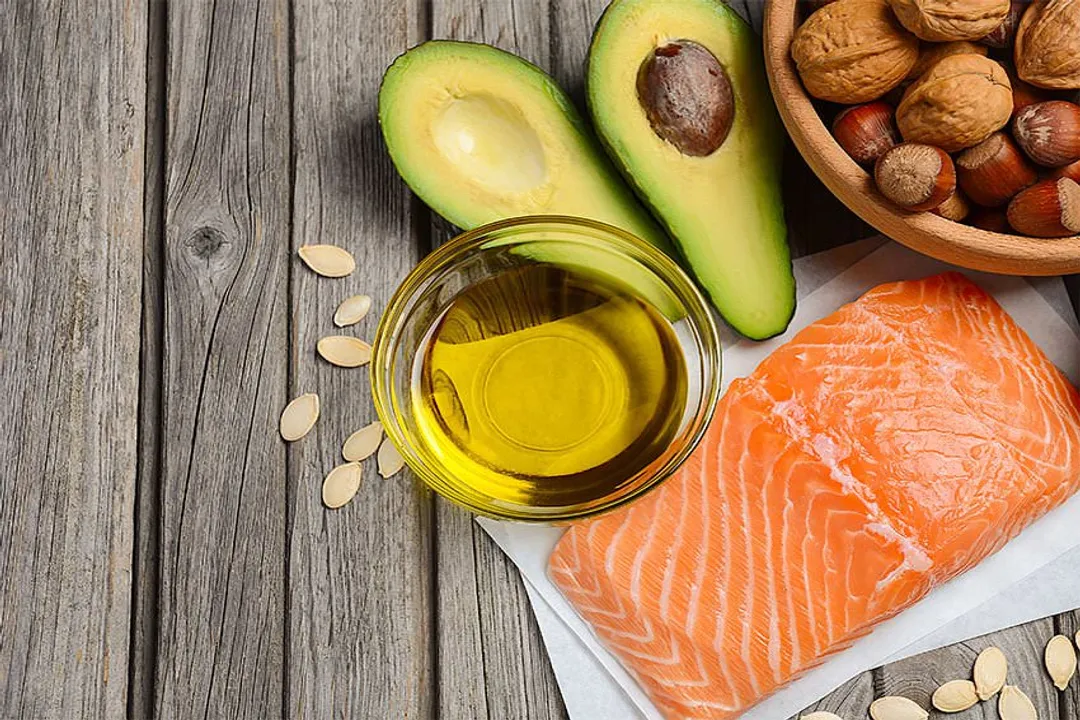
A common misconception in nutrition is that fresh produce always outperforms frozen options regarding nutrient content. Research indicates that this is rarely the case, particularly for peas. [3] Frozen peas are typically harvested and flash-frozen at the peak of their ripeness, which preserves their vitamins and antioxidant levels effectively. [3] In many instances, the nutrient loss that occurs during the shipping and storage of "fresh" produce exceeds the minimal impact of the freezing process. [3]
Frozen peas offer distinct advantages for those maintaining an anti-inflammatory kitchen. They are pre-shelled and ready to cook, which eliminates the barrier to entry often associated with preparing fresh beans or vegetables. [3] This convenience makes them a reliable staple to keep on hand when cooking a balanced meal feels time-consuming. Because they are a single-ingredient food, they lack the additives, excess sodium, or preservatives that are common in canned products, making them a cleaner choice for avoiding inflammatory triggers. [3][7]
# Nutritional Profile
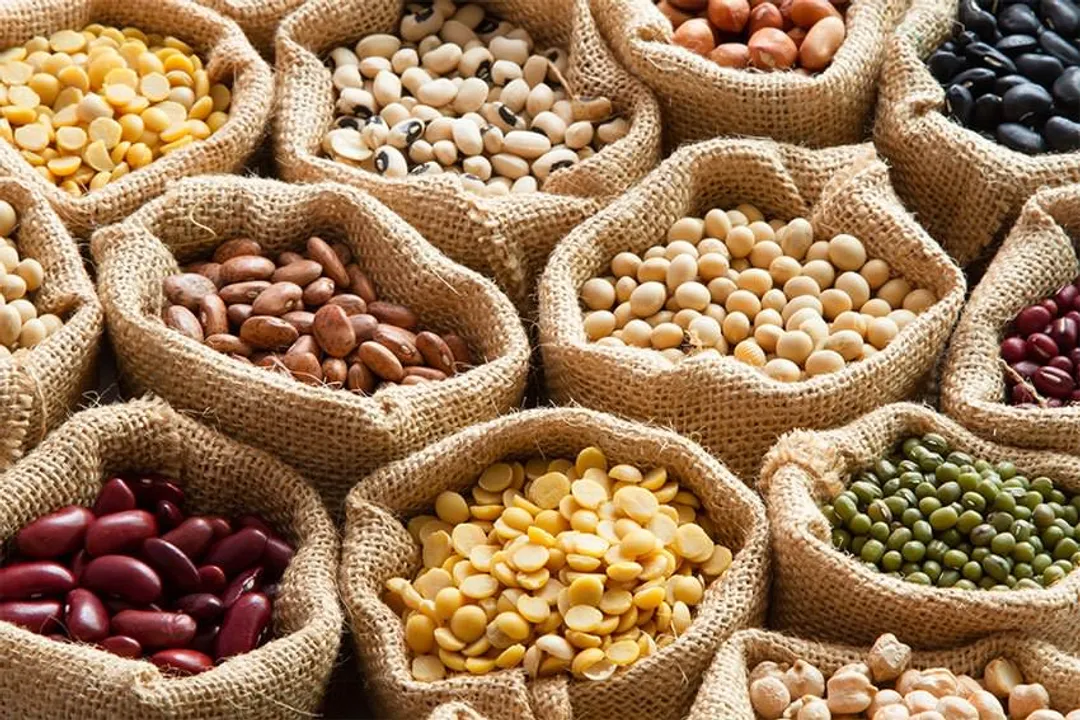
The anti-inflammatory value of peas stems from more than just their fiber content. They contain a variety of compounds that work to mitigate oxidative stress. [1] These include vitamins C and E, zinc, and other antioxidants like lutein and zeaxanthin. [4][8] These specific compounds are well-regarded for their ability to protect cells from damage, which is a core mechanism in reducing systemic inflammation. [5]
For individuals managing conditions like arthritis, the inclusion of nutrient-dense vegetables like peas is essential. [2] They serve as a low-glycemic fuel source that keeps the body energized without adding the stress of high-sugar or high-fat loads. [9] While no single food can act as a cure-all, the consistent consumption of peas contributes to a broader dietary pattern that lowers inflammation markers over time. [6][7]
# Preparation Guide
To maximize the benefits of peas, consider how different preparation methods affect nutrient bioavailability and inflammatory impact. The table below outlines how to handle peas to ensure they remain a health-positive addition to your routine.
| Preparation Method | Anti-Inflammatory Impact | Best Use Case |
|---|---|---|
| Steamed | High; minimal nutrient loss | Side dishes, grain bowls |
| Lightly Sautéed | Moderate; requires healthy oil | Stir-fries, pasta dishes |
| Blended (Puree) | High; excellent digestion | Soups, dips, sauces |
| Canned | Low; often high in sodium | Avoid; look for "no salt added" |
Steaming or lightly sautéing peas preserves their structural integrity and vitamin content. [3] When using a healthy fat source, such as extra virgin olive oil, you increase the absorption of fat-soluble vitamins present in the peas. [4] This simple pairing acts as an efficient way to enhance the nutritional value of a simple dish without relying on heavy sauces or seasonings.
# Strategic Pairing
One effective strategy to incorporate peas is to use them as a "nutrient anchor" in your meals. Many individuals make the mistake of treating vegetables as a mere garnish rather than a substantial component of the plate. Because peas are calorie-dense relative to leafy greens but calorie-light relative to grains, they bridge the gap between these groups.
Try combining peas with other anti-inflammatory superstars to create a balanced, filling meal. For instance, pairing peas with nuts (like almonds or walnuts) and seeds creates a complete texture profile that provides both crunch and creaminess without needing animal-based fats. [1] This combination of legumes and nuts ensures a diverse intake of plant-based proteins, which is helpful for sustained satiety. [1][5]
Another effective approach is to utilize peas in soups. By blending peas into a soup base, you create a creamy texture that is naturally rich in nutrients and fiber, avoiding the need for heavy cream or butter—both of which are often restricted in anti-inflammatory diets due to their potential to trigger inflammatory responses in sensitive individuals. [6][8]
# Potential Pitfalls
While peas are generally safe and healthy, individual sensitivities exist. For some people, particularly those with specific digestive conditions like IBS or FODMAP sensitivities, legumes can cause bloating or gas. [5] If this occurs, it does not mean peas are inherently "bad" or inflammatory, but rather that the body needs an adjustment period or different preparation methods to handle the fiber load. [5]
To mitigate digestive discomfort, introduce peas in smaller portions rather than large servings. [5] Soaking dried peas—if not using frozen—can also break down some of the complex sugars that lead to gas. Listen to your body; inflammation is individual, and the best diet is one that your system tolerates and processes efficiently. [7][8]
# Inflammation Context
It is important to view peas as part of the bigger picture of dietary patterns rather than in isolation. No single vegetable will undo the inflammatory effects of a diet high in ultra-processed foods, refined sugars, or trans fats. [2][9] Instead, peas act as a building block. When you choose to include them, you are displacing other, less healthy food options from your plate.
The shift toward an anti-inflammatory diet is a cumulative process. [6] Every meal where you swap a refined, processed side dish for a portion of green peas represents a small victory for your immune system. [1] Over time, this consistency is what yields results. Whether you are managing joint pain, autoimmune issues, or general fatigue, the inclusion of legumes like peas is a simple, evidence-based habit that supports long-term well-being. [2][4]
# Dietary Checklist
To ensure you are getting the most out of your anti-inflammatory diet, follow these simple guidelines when shopping for or preparing peas:
- Prioritize Frozen or Fresh: Skip canned peas if possible to avoid added sodium and potential packaging chemicals that can disrupt the anti-inflammatory goal. [3][7]
- Watch the Fats: Always pair peas with anti-inflammatory fats like olive oil, avocado oil, or crushed nuts to improve nutrient absorption. [4]
- Keep Portions Reasonable: While healthy, they are calorie-dense compared to watery vegetables like cucumbers or spinach; treat them as a protein and fiber source. [1][5]
- Check Ingredients: If buying a frozen mix, ensure it is just peas (or peas and carrots/other veggies) with no added sauces or butter. [3]
- Experiment with Blending: If you struggle with the texture of whole peas, blend them into pestos, dips, or soups to get the nutrients without the "pop" texture. [8]
By keeping these points in mind, you can effectively manage inflammation through simple, accessible, and affordable dietary choices. Peas are not a complicated health food; they are a reliable, consistent, and scientifically supported tool for any anti-inflammatory kitchen. [1][9]
Related Questions
#Citations
[PDF] Anti-Inflammatory Diet - VA.gov
Anti-Inflammatory Diet Do's and Don'ts | Arthritis Foundation
The 6 Best Anti-Inflammatory Frozen Veggies, According to Dietitians
Anti-inflammatory food superstars for every season - Harvard Health
[PDF] The Anti-Inflammatory Lifestyle
Anti Inflammatory Diet | Johns Hopkins Medicine
Anti-inflammatory foods — what to eat and what to avoid
Food as Medicine: Anti-Inflammatory Diet
5 Food Groups To Combat Inflammation - H-Wave