When to avoid eating corn?
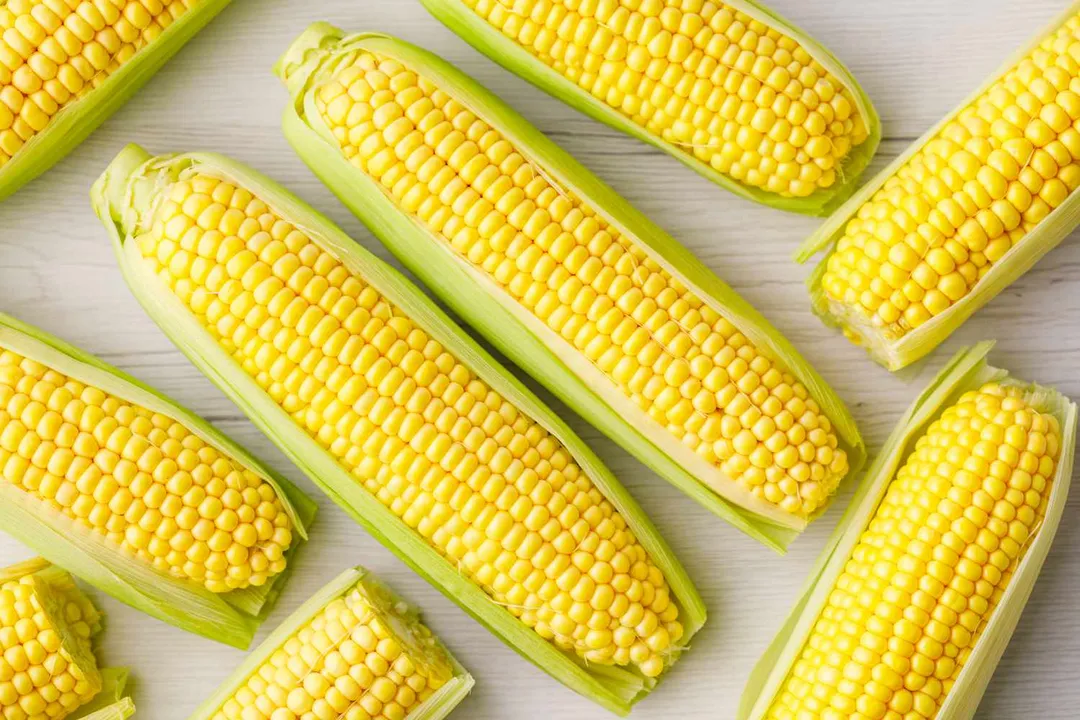
Many people view corn as a harmless, wholesome staple—a sweet side dish at a barbecue or a foundational ingredient in processed foods. It is certainly versatile, offering fiber and nutrients like B vitamins when consumed in its whole form. However, for a segment of the population, this common grain is less a treat and more a trigger, necessitating its complete avoidance. The decision to cut corn from your diet isn't usually casual; it arises from specific medical or sensitivity concerns that warrant careful attention to ingredients and preparation. Understanding when you should sidestep corn requires distinguishing between true allergic reactions, digestive intolerances, and specific therapeutic dietary protocols.
# True Allergy

A genuine corn allergy is the most urgent reason to avoid corn entirely, as it involves the immune system. When someone has a confirmed corn allergy, their body mistakenly identifies proteins in corn as a threat. This reaction can manifest in various ways, ranging from mild to life-threatening. Symptoms associated with food allergies often appear rapidly after ingestion.
Symptoms can include hives, itching, swelling of the lips, face, or throat, and gastrointestinal upset like vomiting or diarrhea. The most severe reaction, anaphylaxis, is a medical emergency requiring immediate treatment, typically with epinephrine. If you suspect a true corn allergy, consulting an allergist for testing is crucial to confirm the diagnosis, as avoiding an allergen is essential for safety. It is important to note that even small amounts of cross-contamination can provoke a reaction in highly sensitive individuals.
# Intolerance Issues

Beyond the immune system's alarm bells, many individuals experience adverse effects from corn that stem from the digestive tract rather than an immediate allergic response—this is commonly termed corn intolerance. Unlike an allergy, which can be life-threatening, intolerance typically results in significant, yet non-emergency, discomfort.
For those with sensitivities, corn can be difficult to process due to its high concentration of fiber and resistant starch. Resistant starch, which resists digestion in the small intestine, travels to the large intestine where it is fermented by gut bacteria. While this fermentation process is often beneficial, for some people, it leads to uncomfortable side effects such as significant bloating, excessive gas, and abdominal cramping. Furthermore, some people react not to the corn kernel itself, but to specific derivatives or high levels of phytic acid found within the grain. Distinguishing this from a true allergy often involves careful observation: Intolerance symptoms are usually delayed and centered on gastrointestinal distress, whereas allergies are rapid and systemic.

# Hidden Presence

One of the trickiest aspects of avoiding corn is how deeply embedded it is in the modern food supply chain. Corn, or its derivatives, can show up under numerous names on ingredient labels, making strict avoidance a considerable challenge. When a doctor advises eliminating corn, the focus must shift to reading every label, every time.
Corn derivatives are used widely as thickeners, sweeteners, stabilizers, and fillers in products you might not suspect. For instance, ingredients like corn syrup solids, dextrose (which can come from corn), modified food starch, maltodextrin, and corn oil frequently appear in everything from salad dressings and packaged baked goods to medications and vitamins.
Here is a quick guide to some common aliases to watch out for when aiming for a corn-free status:
| Ingredient Type | Common Corn-Derived Names |
|---|---|
| Sweeteners | High Fructose Corn Syrup, Corn Syrup, Dextrose |
| Thickeners/Fillers | Modified Food Starch, Maltodextrin, Corn Starch |
| Oils/Fats | Corn Oil, Corn Germ Oil |
| Other | Zein (protein isolate) |
When you are in a restaurant setting, this complexity compounds. Asking "Does this contain corn?" might not be enough; you often need to inquire about the oil used for frying or the specific brand of thickener in the sauce. For someone who must strictly avoid corn, cross-contamination in kitchens that handle many processed ingredients becomes a significant hurdle.
# Therapeutic Elimination Diets
Beyond allergies and immediate intolerances, there are structured dietary plans where corn must be temporarily eliminated as part of a diagnostic or healing protocol. These protocols, often guided by healthcare professionals, are used to identify food triggers contributing to chronic conditions.
For example, in some approaches to managing conditions like Attention Deficit Hyperactivity Disorder (ADHD) or addressing gut dysbiosis, a physician might prescribe an elimination diet. These diets temporarily remove major food groups—including corn, wheat, dairy, soy, and eggs—for several weeks to allow the body to reset and symptoms to subside. If symptoms improve significantly during the avoidance period, the professional will then guide a structured reintroduction process to pinpoint the exact trigger. If corn is flagged as the culprit, avoidance becomes necessary, at least until the underlying issue is managed or resolved. In a related context, some individuals find relief from specific inflammatory responses or autoimmune symptoms by adhering to very restricted diets, which often necessitate the removal of grains like corn until a baseline of reduced inflammation is achieved.

# Gut Health Considerations
Even in the absence of a diagnosed allergy or intolerance, the structure of corn itself can cause temporary digestive stress for some individuals. Corn is often considered a starchy vegetable, and while it offers dietary fiber, it also contains phytates, which are compounds that can sometimes interfere with nutrient absorption if consumed in very high quantities, although this is generally not a concern with moderate intake.
When considering why someone might feel worse after eating corn, it helps to think about the food matrix. In whole corn, the kernels are encased in a tough, indigestible cellulose hull. This hull acts as roughage, and while good for moving things along, it can irritate a sensitive or already inflamed digestive tract, acting almost like a physical irritant rather than a chemical one. For a person already managing conditions like Irritable Bowel Syndrome (IBS), this physical agitation on top of fermentation from resistant starches can quickly lead to a flare-up, making corn something to avoid during acute digestive distress. This contrasts with consuming refined corn products, where the hull is often removed, but the sugar content (dextrose, syrup) might still cause issues for those sensitive to rapid sugar spikes.
# When to Reassess Your Intake
If you have eliminated corn based on a suspected sensitivity, the decision to reintroduce it must be methodical. It's not just about whether you can eat it, but how much and in what form you can tolerate it. Someone reacting poorly to corn oil and high-fructose corn syrup might find they can tolerate a small amount of unprocessed, freshly ground cornmeal without issue, as the problem may lie with the processing additives rather than the base grain protein.
A practical approach, often recommended outside of formal medical elimination protocols, is to keep a simple, detailed food and symptom diary for three weeks without corn, and then reintroduce it deliberately. During reintroduction, eat a known source of corn (e.g., plain boiled corn) in a small, controlled portion, and then track symptoms for 48 hours. If no reaction occurs, wait two days and try a slightly larger portion or a different processed product containing corn derivatives. This slow, incremental method helps differentiate between a true, systemic problem and a sensitivity linked only to excessive load or specific processing chemicals. It provides personalized data that a general guideline cannot offer.
For those who have identified corn as a recurring problem, consistent avoidance is key. Given its pervasive nature in packaged foods, an excellent actionable tip is to adopt a "three-strike" rule when shopping. If you pick up an item and spot corn-derived ingredients (like maltodextrin or dextrose) in the first three ingredients listed, immediately put it back without reading the rest of the label. This saves time and maintains focus on whole, less-processed foods that are inherently less likely to contain hidden corn fillers.

# Summary of Cautionary Points
Ultimately, the necessity of avoiding corn hinges on clear evidence of harm. If you experience severe symptoms like difficulty breathing or swelling, an allergy is suspected, and avoidance is non-negotiable. If the issue is chronic digestive discomfort, a trial elimination diet under professional guidance can confirm if corn is the root cause. Even if you do not have a formal allergy or diagnosed intolerance, being mindful of corn's presence is prudent if you have a highly reactive digestive system, as the physical structure and high starch load can provoke discomfort. Corn remains a nutritious food for many, but knowing your body's specific response is the only way to determine if this common crop belongs on your "avoid" list.
Related Questions
#Citations
Corn: The Hidden Risks of This Common Food (3-Minute Read)
THE BENEFITS AND RISKS OF EATING CORN
[PDF] Corn-Free Diet - Johns Hopkins Medicine
What Happens to Your Body When You Eat Corn Regularly - Health
Corn Allergy: Symptoms and Foods to Avoid - Verywell Health
Corn-Free Diet - Allergy Associates of La Crosse
Corn Allergy and Corn Intolerance
Is Eating Corn Fattening? | Vinmec
Corn: Kinds, Nutrition, Benefits, Risks, & Preparation - WebMD