What are the benefits of mallow tea?

Mallow tea, derived from the flowers and leaves of various Malva species, has long held a respected place in herbal traditions across many cultures. [6][7] Its popularity isn't based on aggressive pharmacological action but rather on its wonderfully gentle, soothing qualities, which stem primarily from its high content of mucilage. [1][4][10] When you brew mallow, especially the common mallow (Malva sylvestris), you create a slightly viscous liquid, very different from a brisk black tea, intended to coat and calm irritated surfaces throughout the body. [5][7]
# Gentle Gelling Agent
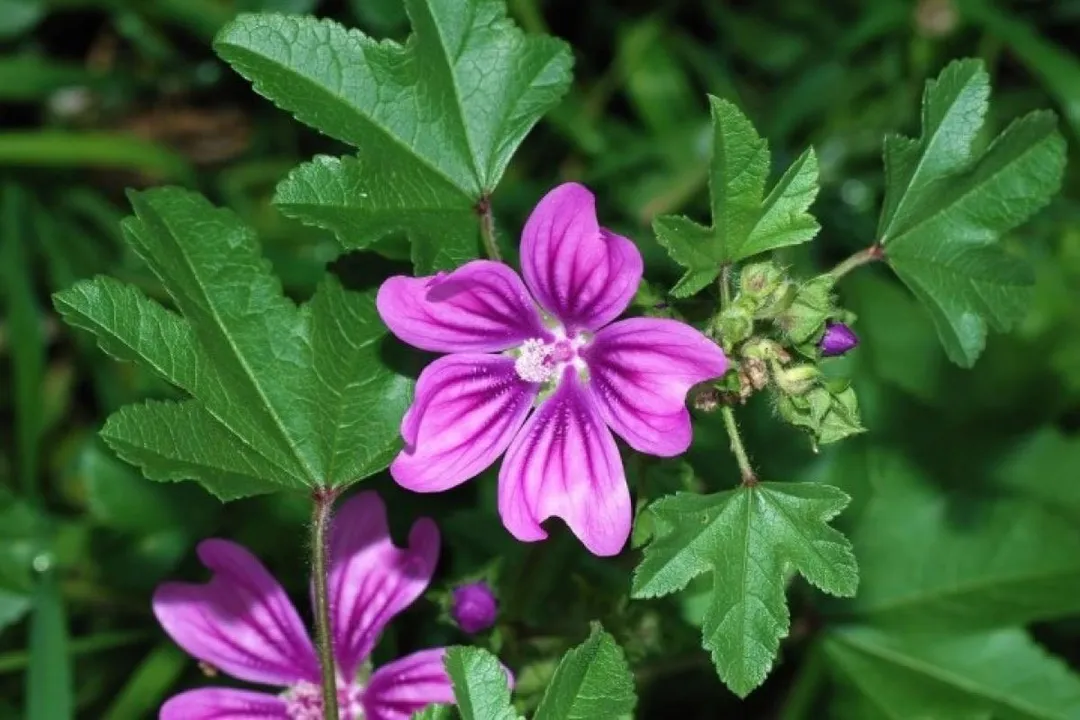
The secret behind mallow’s widespread use lies in its mucilage content. [1][4] Mucilage is a type of complex carbohydrate—a sticky, gel-like substance—that the plant produces as a protective mechanism. [10] When the dried leaves and flowers of mallow are steeped in hot or cold water, these mucilaginous compounds are released, resulting in a drink that feels almost slippery or slightly thick on the tongue. [4][7] This physical characteristic is what translates into therapeutic benefit: the mucilage acts as a demulcent, meaning it forms a protective, soothing film over mucous membranes. [4] This film helps to trap moisture and provide a physical barrier against irritants. [1] While many herbs are valued for powerful chemical constituents, mallow’s primary strength is its emollient ability to soften and calm tissues, a property supported by scientific investigation into its anti-inflammatory potential. [4][9]
# Cough Soother

Perhaps the most recognized traditional use for mallow tea centers around the respiratory system. [1][6] Whether dealing with the dry tickle that precedes a cough or the raw irritation following prolonged coughing spells, the demulcent action of mallow proves beneficial. [4][7] By coating the throat and upper respiratory passages, the tea can help reduce the stimuli that trigger coughing reflexes. [2][4] This is particularly helpful during seasonal colds or mild bouts of bronchitis where the goal is easing discomfort rather than aggressively clearing congestion. [1] Many sources suggest it is effective for soothing sore throats caused by general inflammation or overuse. [2][7] For those who find traditional cough syrups too strong or sugary, a warm cup of mallow tea offers a simple, natural alternative for relief. [10]

# Gut Comfort
The same soothing action that benefits the throat also extends downward to the digestive tract. [1][7] In traditional herbalism, mallow has been employed to address various stomach discomforts. [2] Because the mucilage coats the lining of the stomach and intestines, it can offer a protective layer against mild irritation or excessive acidity. [4] This action can help calm digestive upset. [1] Furthermore, some traditions view mallow as a very mild laxative. [7] Unlike harsh stimulant laxatives, mallow’s effect is often attributed to the bulk and lubrication provided by the mucilage, helping to promote smoother transit through the bowels, making it a gentler choice for those experiencing occasional irregularity. [1]
If you are looking to use mallow primarily for intestinal soothing, consider preparing it using a cold infusion rather than a hot steep. While hot water extracts flavor quickly, cold water is often superior at slowly dissolving and releasing the full spectrum of mucilage compounds without causing too many of the volatile, potentially irritating elements that high heat can sometimes draw out of plant matter. [10] This preparation method can yield a silkier texture, maximizing the coating effect internally.
# Skin Health
While we typically focus on internal consumption when discussing tea, the benefits derived from drinking mallow can manifest externally, particularly in the condition of the skin. [1] The anti-inflammatory and soothing compounds ingested help manage systemic irritation, which can reflect positively on skin health. [4][9] Historically, mallow preparations have been applied directly to the skin to help with minor abrasions, burns, or rashes due to its emollient and healing properties. [1][4] Drinking the tea regularly supports this by providing the body with these calming agents internally, aiding in maintaining skin moisture and reducing mild inflammatory responses that can lead to dryness or itchiness. [6] It supports the body's natural processes for repair and hydration from the inside out.
# Mild Diuretic
Mallow also possesses mild diuretic properties, meaning it can gently encourage the kidneys to increase urine output. [7] In the context of a general wellness tonic, this can be beneficial for promoting the elimination of excess fluid from the body and supporting general kidney function. [7] This is generally a gentle action, distinguishing it from harsh, pharmaceutical diuretics, and it complements the other detoxifying attributes often sought in herbal teas. [1] For someone looking to incorporate a daily gentle flush without stressing the system, mallow tea fits well into that routine. [7]
# Preparation Notes
To properly benefit from mallow, understanding the best way to prepare it is key, especially given its reliance on water-soluble mucilage. [1][10] While many prefer the simplicity of a quick infusion, the method can alter the final product’s therapeutic profile.
For a standard, immediate cup targeting general warmth and mild relief:
- Use about one to two teaspoons of dried mallow leaves and flowers per 8 ounces of hot water (just below boiling).
- Cover the infusion and allow it to steep for 10 to 15 minutes. [5] Covering is crucial to trap the steam and volatile oils, preventing them from escaping. [5]
As noted earlier, a cold infusion offers an excellent alternative, sometimes preferred for its superior mucilage extraction and milder taste profile:
- Place the desired amount of dried herb in a glass jar.
- Cover with cool, filtered water.
- Let it sit for a minimum of four hours, though an overnight steep (8–12 hours) is often recommended for maximum mucilage release. Strain before drinking. [10]
When comparing sources, it’s interesting to note that while both flowers and leaves are used, the Malva sylvestris species is frequently cited across various sources as the preferred variety for medicinal teas, suggesting that local availability of this specific type may historically have driven its prominence in European herbalism. [5][7] If you are sourcing commercially, look for clearly identified Malva sylvestris or sometimes Marsh Mallow (Althaea officinalis), although their chemical profiles, while similar due to mucilage, are not identical. [1][4] Always ensure you are using culinary or medicinal-grade herbs purchased from reputable suppliers to confirm purity and safety. [2]
# Safety Considerations
Mallow tea is generally regarded as safe for most people when consumed in moderate amounts as a food or common herbal tea. [2] It is often recommended even for children due to its gentle nature. [1] However, as with any herbal supplement, there are important caveats. Individuals who are pregnant or breastfeeding should consult a healthcare provider before regular use, as there is insufficient safety data for these groups. [2] If you are taking medications that affect blood sugar or blood clotting, you should exercise caution and seek professional advice, as some plant compounds can potentially interact with pharmaceutical treatments, although specific interactions for mallow tea are not widely documented. [2] If you notice any unusual digestive upset or allergic reaction after consumption, discontinue use immediately. [2][4] The wisdom of herbalism dictates that while natural, these substances carry real effects, and recognizing your own body’s reaction is the final step in responsible use. [2]
Related Questions
#Citations
Mallow: here are all its beneficial powers - Gruppo FarmaImpresa
Mallow - Uses, Side Effects, and More - WebMD
Mallow: Medicinal Uses, How to Take & Side Effects - Tua Saúde
Mallow: Properties, Benefits, Uses, and Contraindications - Terza Luna
Mallow Herbal Tea Leaves (Malva Sylvestris) - Chás do Mundo
Mallow, all the softness in a plant - Wilden Herbals - Share your nature
Benefits of Common Mallow (Malva sylvestris) - Permaculture
Wild Mallow Herbal Tea - Health Benefits - Les thés FloralTea
A Review on Health Benefits of Malva sylvestris L. Nutritional ...
Common Mallow (Malva) Leaf - Malva Sylvestris L.