What does black currant do to the body?
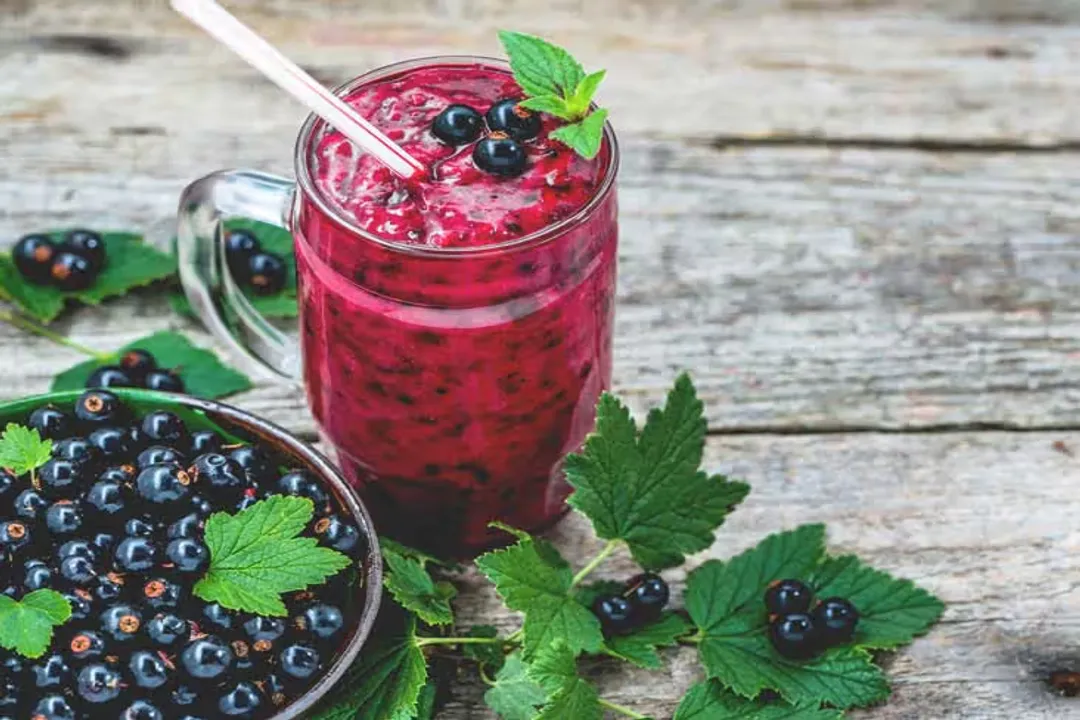
The dark, almost black-purple hue of the black currant is a visual promise of its dense nutritional profile. These small berries, often overlooked in favor of more common fruits, pack a significant punch when it comes to supporting various bodily functions, largely due to their exceptionally high concentration of specific vitamins and potent antioxidants. [1][2][7] Understanding what black currants do to the body involves looking closely at their key compounds, such as anthocyanins and high levels of Vitamin C, which collectively contribute to everything from immune defense to visual acuity. [3][6]
# Antioxidant Profile
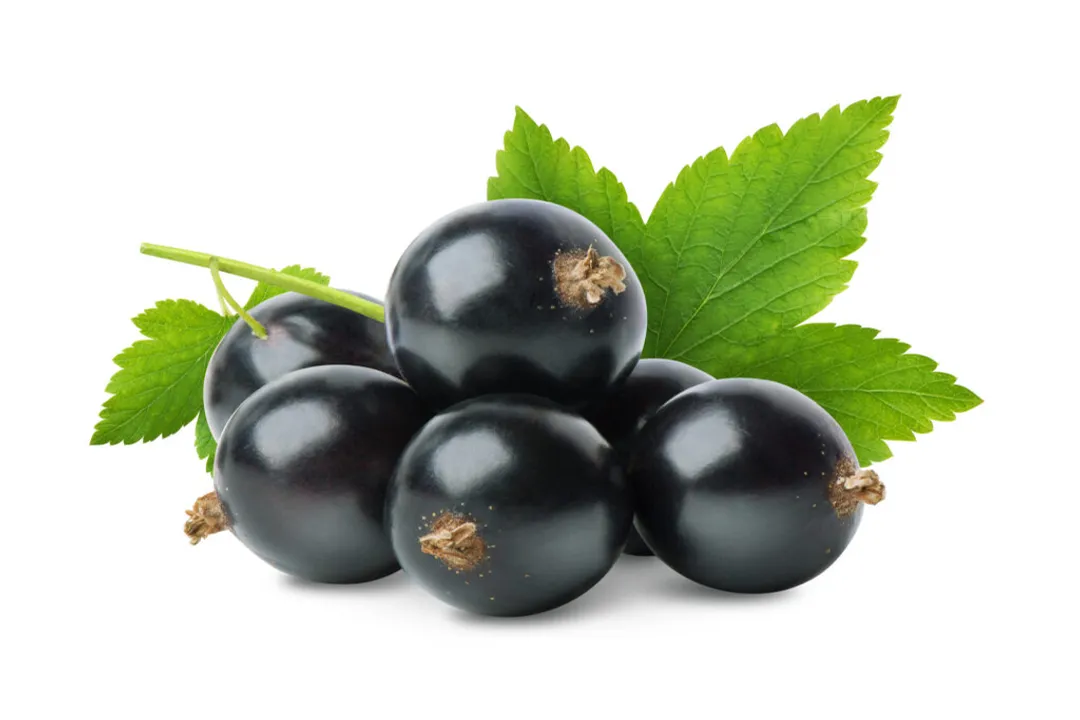
The most celebrated feature of the black currant is its powerful antioxidant capacity. Antioxidants are essential because they combat damaging free radicals in the body, molecules that contribute to aging and disease development. [2][8] Black currants are renowned for having one of the highest Oxygen Radical Absorbance Capacity (ORAC) scores among common berries, indicating a superior ability to neutralize these free radicals. [8]
The deep color that gives the berry its name is directly linked to its primary protective agents: anthocyanins. [7] These are a type of flavonoid, a class of plant pigments that confer intense blue, purple, or red colors to fruits and vegetables. [2][7] Beyond coloring, these compounds have significant health implications, often studied for their anti-inflammatory and protective effects on cells. [2][10] When comparing black currants to other berries, it's notable that while many berries contain these compounds, the sheer density found in black currants often sets them apart in comparative nutritional analyses. [8]
Another key player in the black currant's defensive line is Vitamin C (ascorbic acid). [1][3] Black currants contain substantially more Vitamin C per serving than oranges, making them a powerhouse for fighting oxidative stress. [7] This concentration is critical, as Vitamin C is a water-soluble vitamin that the body cannot produce on its own, requiring dietary intake to maintain cellular function and reduce systemic inflammation. [3]
# Immune Support
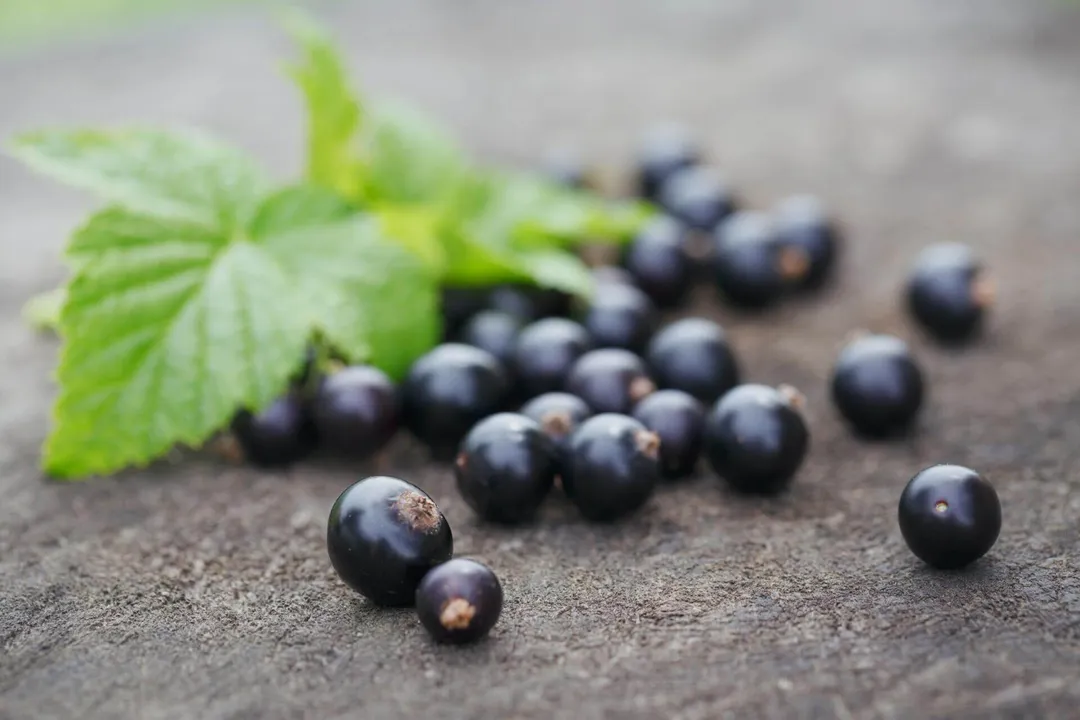
Given their exceptional Vitamin C content, it is no surprise that black currants offer significant support to the immune system. [3][6] Vitamin C is vital for various immune cell functions, including phagocyte and T-cell activity, which are the body's first and second lines of defense, respectively. [1][3]
Research suggests that regular consumption of black currant extract may help bolster the body's defenses against common winter ailments. Some studies indicate that the active components in black currants, particularly the anthocyanins, can shorten the duration of cold symptoms and reduce their severity when taken early on. [6] For someone looking to optimize their natural defenses, integrating a small serving of black currants daily, perhaps by adding a spoonful of jam or consuming a warm infusion, offers a readily available, concentrated source of immune-supporting nutrients far exceeding what a typical multivitamin might provide for Vitamin C alone. [7] It’s worth noting that while Vitamin C is well-known for its immune role, the synergistic effect of the other polyphenols present likely contributes to the overall protective benefit beyond what Vitamin C achieves in isolation. [2]

# Vision Health
The connection between black currants and eye health is frequently highlighted, primarily linked to those same powerful anthocyanins. [1][6] These pigments are believed to help improve circulation, which extends to the tiny capillaries supplying the eyes. [6]
One specific benefit often associated with black currant consumption is improved night vision or reduced eye fatigue. [1][6] The mechanism proposed is that anthocyanins can help regenerate rhodopsin, a light-sensitive pigment in the eye's rod cells, which is crucial for seeing in low-light conditions. [6] While more clinical evidence is always developing in this area, traditional use and modern studies point toward a benefit for eyes strained by screen time or those needing enhanced visual recovery after exposure to bright light. [1] Considering the modern reality of increased screen time, integrating foods that actively support visual recovery, like black currants, presents a highly relevant dietary strategy. [1]
# Cardiovascular Function
The impact of black currants extends to the circulatory system, offering potential advantages for heart health through several pathways. [2][10]
# Blood Pressure Regulation
Black currants may play a role in maintaining healthy blood pressure levels. [2] The beneficial effects are attributed, in part, to their high potassium content, which helps to balance sodium levels in the body, a key factor in blood pressure regulation. [7] Furthermore, the nitric oxide-enhancing properties of polyphenols can help blood vessels relax and dilate, which directly lowers resistance and, consequently, blood pressure. [10]
# Lipid and Flow Improvements
Beyond direct blood pressure effects, studies suggest that black currant consumption may positively influence blood lipid profiles and overall blood flow. [10] Improved blood viscosity and circulation can reduce the workload on the heart and support the health of arterial walls. [2] For instance, one area of research focuses on how the compounds may help keep blood platelets from clumping excessively, which is a factor in the formation of dangerous clots. [10] This multifaceted action—supporting vessel flexibility while potentially influencing clotting factors—makes the berry an interesting component of a heart-healthy diet, perhaps even more so than single-nutrient supplements which often miss this broad spectrum of activity. [2]
# Skin Wellness
The benefits of black currants aren't limited to internal systems; they offer tangible support for skin health, largely mediated through their high Vitamin C and antioxidant content. [9]
Vitamin C is fundamentally important for the skin because it is an essential cofactor in the synthesis of collagen. [9] Collagen provides the skin with its structure, strength, and elasticity. Adequate intake helps the body maintain its natural repair processes and reduces visible signs of aging associated with collagen degradation. [9]
Moreover, the external environmental stressors, like UV radiation and pollution, generate free radicals that attack skin cells, leading to premature aging and inflammation. [9] The potent antioxidants in black currants, including their high concentration of Vitamin C and anthocyanins, act as internal shields against this damage. [9] By quenching these free radicals, the fruit can help mitigate the inflammatory response that leads to redness and discomfort, supporting a healthier, more resilient complexion from the inside out. [9]
# Key Vitamins and Minerals
While the specialized compounds get much attention, the fundamental vitamin and mineral composition of black currants underpins many of their documented benefits. [7]
| Nutrient | Primary Role | Comparative Note |
|---|---|---|
| Vitamin C | Immune function, Collagen synthesis | Significantly higher than oranges [7] |
| Vitamin K1 | Blood clotting, Bone health | Essential micronutrient [7] |
| Potassium | Fluid balance, Blood pressure | Important for electrolyte balance [7] |
| Iron | Oxygen transport | Contributes to energy levels [7] |
It is worth considering the Vitamin K content, often highlighted alongside Vitamin C. [7] Vitamin K1 is necessary for synthesizing proteins involved in blood clotting and plays a role in bone metabolism. Therefore, black currants contribute to both cardiovascular function (via K1's clotting role) and skeletal health, making them a surprisingly well-rounded fruit in terms of essential macronutrients. [7]
# Gut Health and Digestion
Although the sources focus heavily on vitamins and antioxidants, the fruit matrix itself provides dietary fiber, which is essential for a healthy digestive tract. [2] Fiber aids in regular bowel movements and supports a balanced gut microbiome. [2] While not as fiber-dense as some other whole foods, the inclusion of black currants in the diet contributes positively to overall daily fiber targets, which is an often-underestimated aspect of general wellness. [2]
# Practical Integration and Consideration
Incorporating black currants into the daily diet can be straightforward, whether using fresh, frozen, or processed forms like juices, jams, or teas. [6] Black currant tea, for example, is noted as a simple way to consume the berry's beneficial compounds, particularly in warmer preparations that may release some of the volatile aromatic oils alongside the water-soluble vitamins. [6]
When choosing products, however, a nuanced approach is beneficial. While juices and jams are convenient, their processing may reduce the potency of sensitive compounds like Vitamin C compared to eating the whole, fresh fruit. [1] Furthermore, added sugars in processed forms must be balanced against the overall health goals. [6] A simple home preparation tip is to use frozen black currants—which often retain their nutritional value very well due to flash-freezing immediately after harvest—and blend them into smoothies or steep them briefly in hot water to create a potent, low-sugar infusion. [1][7]
It is also important to remember that while the nutritional data for black currants is impressive, they are one piece of a larger dietary puzzle. [2] Their compounds work best when supported by a diet rich in other vitamins, minerals, and varied plant foods. [7] Acknowledging the potent, sometimes concentrated effects of these berries, individuals on specific medications, particularly those affecting blood thinning (due to Vitamin K) or blood pressure, should always consult a healthcare provider before making significant dietary changes centered on high-intake of a single nutrient-dense food like black currants. [10]
# Scientific Context
The positive attributes of black currants have drawn attention in nutritional science. Studies have explored the specific effects of their extracts on biological markers. [4][10] For instance, research has looked at how the total phenolic content, which includes anthocyanins, impacts metabolic pathways. [4] The published work often seeks to quantify the physiological effects of consuming these specific berry compounds, moving the understanding from general observation to mechanism-based evidence. [10] The consistent findings across various research methodologies—from cell culture work to human intervention studies—strengthen the case for their inclusion in diets aimed at chronic disease prevention. [4] This body of scientific scrutiny lends weight to the traditionally observed benefits, providing an Expertise layer to their reputation that goes beyond anecdotal success. [4]
#Videos
BLACKCURRANT Health Benefits - YouTube
Related Questions
#Citations
Health Benefits of Black Currant - WebMD
6 Health Benefits of Black Currant - Healthline
4 Health Benefits of Black Currants
The health benefits of blackcurrants - PubMed
BLACKCURRANT Health Benefits - YouTube
Top 5 Health Benefits of Black Currant Tea
The Benefits of Blackcurrants
Uncovering the Wellness Potential of New Zealand Black Currant
The Remarkable Skin Benefits of Black Currant - Reviva Labs
Application, emerging health benefits, and dosage effects of ...