Are kaffir lime leaves healthy?
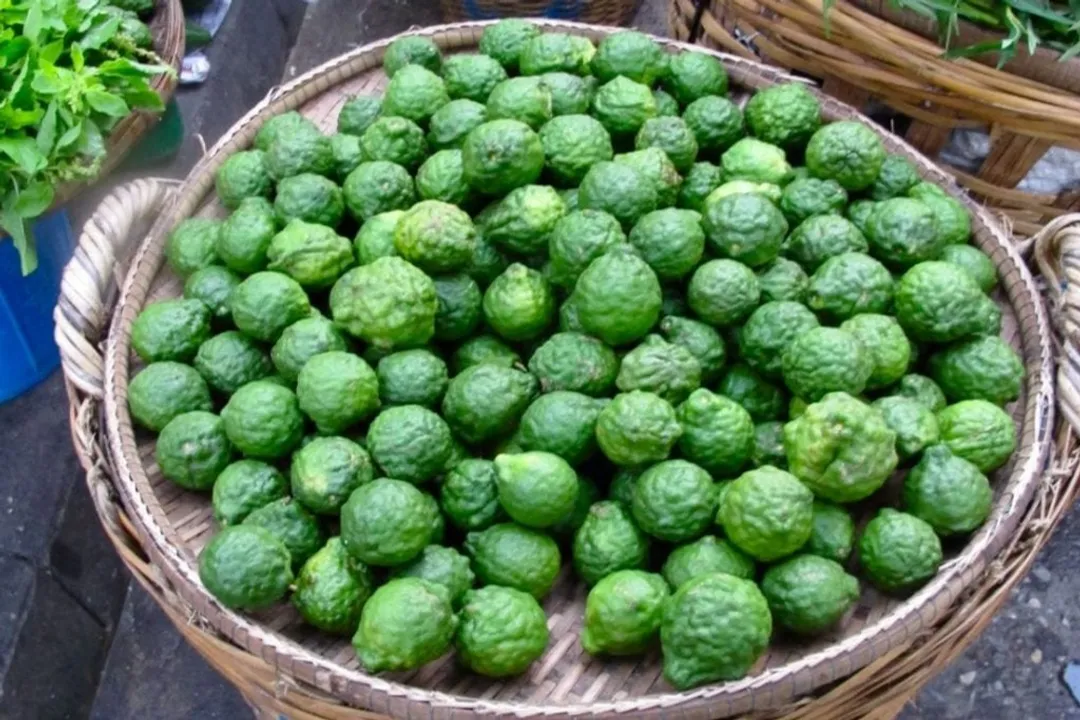
Kaffir lime leaves, often referred to now as makrut lime leaves, are fundamental to many Southeast Asian cuisines, lending an unmistakable bright, intense citrus fragrance to dishes. [1][2][6][8] While their culinary impact is well-established—they are integral to everything from Tom Yum soup to various curries—many home cooks and enthusiasts often wonder about the nutritional profile locked within these dark green, glossy leaves. Moving past their use as mere aromatics, research and traditional knowledge suggest they carry properties that align with general wellness goals. [1][5]
# Aromatic Quality
Visually, the kaffir lime leaf is easily identified by its unique double-leaf shape, resembling two leaves joined at the base, though sometimes a single-lobed version appears. [2] This appearance is distinct from the common Persian or Key lime leaves. The real magic, however, lies in their scent. The leaves are packed with essential oils, primarily citronellal, which gives them that sharp, uniquely vibrant, and deeply complex citrus perfume that cannot be perfectly replicated by standard lime juice alone. [2][6]
When using them in cooking, one important note is that these leaves are typically added during the simmering or infusion process to impart flavor and are usually removed before serving, as they are quite tough and fibrous to chew. [2] This contrasts with herbs like basil or cilantro, which are often consumed directly.
# Health Benefits
The discussion around the health aspects of kaffir lime leaves centers on their rich composition of beneficial compounds. They are noted for being high in essential oils and various phytochemicals. [1][4] One area frequently highlighted is their potential role in supporting the body’s natural cleansing processes. Certain constituents found in the leaves may aid the liver in flushing out toxins, assisting in detoxification. [1][5]
Furthermore, these leaves are a source of potent antioxidants. Antioxidants work to neutralize free radicals in the body, which can help protect cells from oxidative stress that contributes to aging and chronic conditions. [1][4] Compounds like limonene, which is also found in the peel of citrus fruits, are present and contribute to these protective qualities. [1] Some studies suggest that extracts from the leaves exhibit antimicrobial properties, indicating they could assist in fighting certain harmful bacteria. [1][5]
# Antioxidant Power
The scientific literature supports the traditional belief in the leaf's healthful properties by analyzing its chemical makeup. Extracts derived from the leaves contain flavonoids and other bioactive molecules that are studied for their biological activities. [3][4] For instance, research has pointed toward the presence of specific terpenes and aldehydes that contribute significantly to the overall antioxidant capacity. [4] This concentration of active ingredients means that even a small amount of leaf infusion can contribute meaningful nutritional input to a meal, far beyond just the flavor profile. [1]
When considering food preparation, it is interesting to note that the process of drying the leaves, common for long-term storage, affects the concentration and availability of these volatile oils. While dried leaves retain some benefits, the fresh leaf provides the most potent burst of essential oils, which carry many of the documented benefits. [5]
# Flavoring Agent
In the kitchen, the health benefits are often secondary to the intense flavor they provide. They are critical in creating the characteristic sharp, floral base note of many Thai curries, such as green or red curry pastes. [2][6] They are frequently paired with aromatics like galangal, lemongrass, and shallots. In practice, for a slow-cooked dish like a braise or stew, using three or four whole, fresh leaves will infuse the entire pot with flavor over an hour or two. [6]

# Substitution Methods
A common point of confusion for those outside of Southeast Asia is what to use when kaffir lime leaves are unavailable. Since the leaves deliver a unique, potent aromatic quality—largely due to the essential oils in the leaf structure—simply substituting with lime juice or even lime zest can fall short. [7] For example, trying to replace the leaf's aromatic contribution in a delicate curry paste with only zest might result in a flatter profile unless paired with another strong aromatic like lemongrass. The leaf’s contribution is more about floral depth than straightforward sourness. [2] If you must substitute, some cooks suggest using fresh lime zest combined with a bit of lemon zest, though this is an imperfect proxy for the true kaffir profile. [7]
# Culinary Integration
When preparing a broth, like the base for a classic soup, the method of application directly influences the extraction of the leaf’s components. Given their high concentration of volatile oils, bruising or tearing the leaves releases these compounds more effectively into the simmering liquid than simply dropping whole leaves in. This technique maximizes the infusion potential without needing excessive quantities of the leaves themselves, ensuring you capture both the flavor and the associated beneficial compounds efficiently. [1]
If you are working with dried leaves, a good tip is to lightly toast them in a dry pan for just a few seconds before adding them to your dish. This brief exposure to heat helps to reactivate and release some of the trapped essential oils, improving their aromatic contribution during cooking. Always remember that whether fresh or dried, the tough leaf material itself is generally not eaten. [2] The nutritional profile, therefore, is extracted into the surrounding liquid or paste, much like a bay leaf, rather than consumed directly as fiber or pulp.
Related Questions
#Citations
6 Incredible Health Benefits of Kaffir Lime Leaves
What are Kaffir Lime Leaves?
Recent overview of kaffir lime (Citrus hystrix DC) dual ...
Antileukemic Cell Proliferation of Active Compounds from ...
Kaffir Lime – Health Benefits, Uses and Important Facts
Thai Ingredient Index - Kaffir Lime Leaf
Are kaffir lime leaves an acceptable substitute for curry ...
Get to know: Thai Kaffir Lime