Is siniguelas healthy?
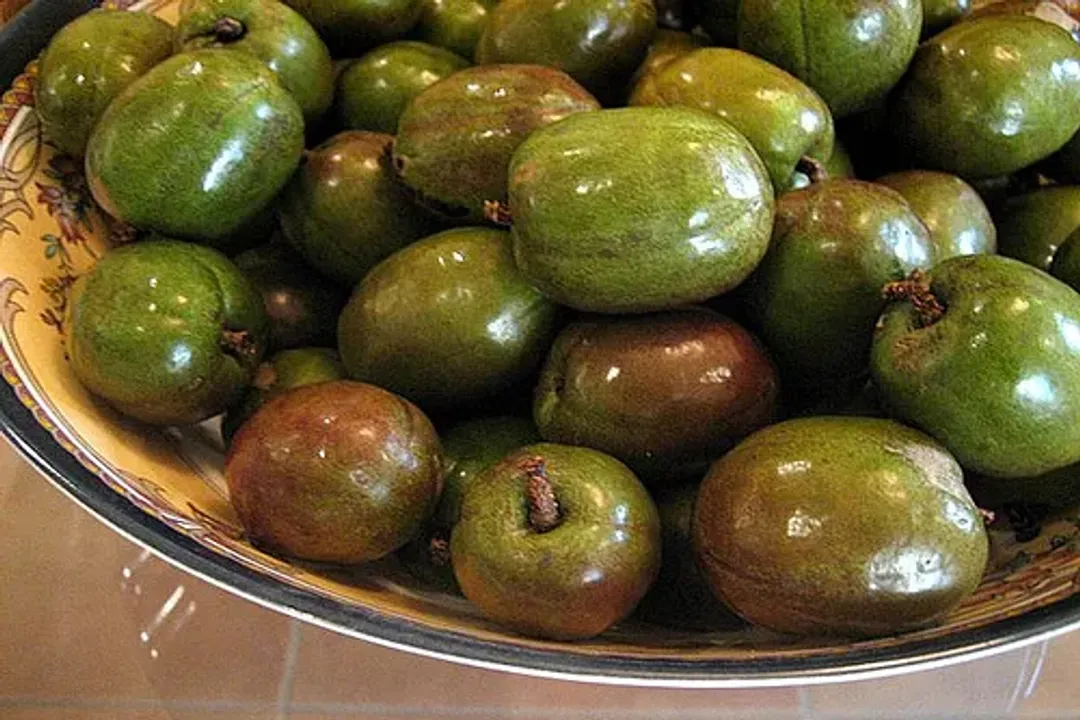
This small, often overlooked tropical fruit, known by several names including siniguelas, Spanish plum, or hog plum (Spondias purpurea), carries a surprising wealth of potential benefits rooted in traditional knowledge and recognizable nutritional components. This tree, which can reach about 25 feet in height, is native to the region stretching from southern Mexico down through northern Peru and Brazil, yet it is widely cultivated across many tropical locales, including Guam, where it grows in gardens and around homes. While there are many varieties within Spondias purpurea, with local types in Guam exhibiting red, purple, or yellow mature fruits, the core health discussion centers on what the edible pulp offers the body. People often refer to it as the “Food of the Gods” in the Philippines due to its noted nutritional value.
# Identity Origin
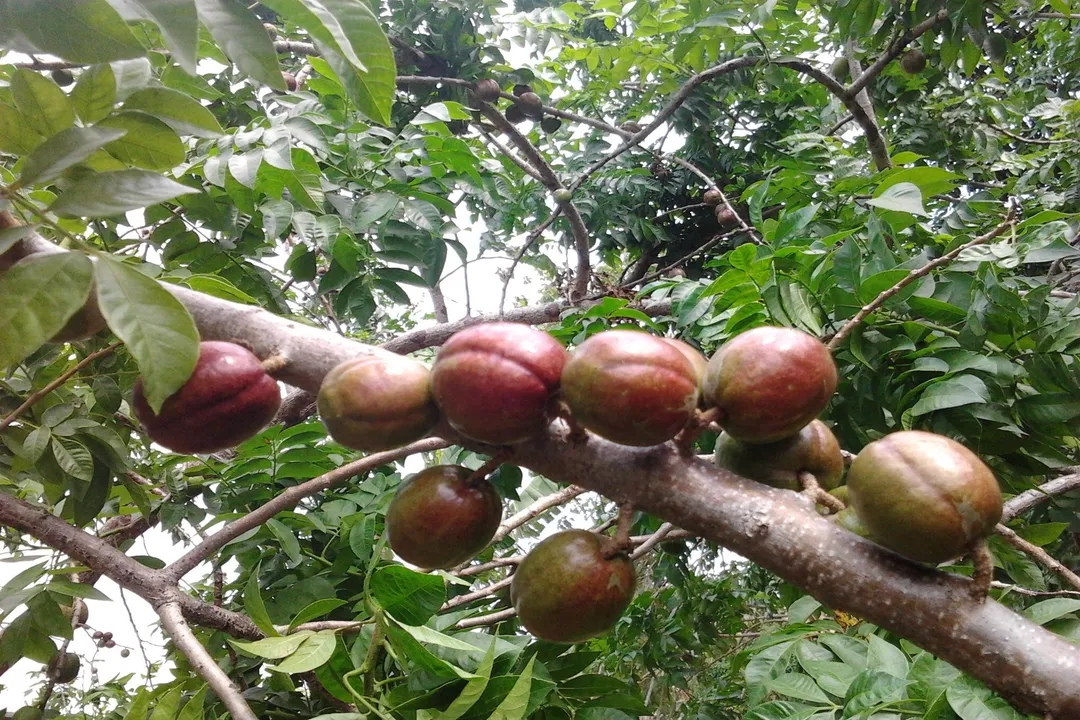
The tree belongs to the species Spondias purpurea and can sometimes be confused with related Spondias species. Despite its widespread presence in the tropics, the exact timeline of its introduction to places like Guam remains unclear. What is clear is the diversity; researchers recognize at least 20 known varieties of Spondias purpurea, though specific variety names in Guam might not be cataloged.
# Nutrient Profile
A look into the composition of the siniguelas fruit reveals why it has been associated with significant health properties. It is recognized for being rich in essential vitamins, minerals, and antioxidants. Specifically mentioned components include Vitamins A, B, and C, alongside crucial minerals like iron, calcium, and phosphorus. Furthermore, it contains potassium and necessary carbohydrates. From an energy density perspective, the fruit is quite favorable, registering only 76 calories per 100 grams. Considering that a typical small serving might be slightly more than 100 grams, this fruit offers a relatively low-calorie way to consume essential nutrients, especially when compared to many processed snacks that often contain far more energy for the same volume. This low energy count, combined with its fiber content, makes it a smart choice for those managing their weight.
# Immunity Support
The combination of vitamins and minerals present in siniguelas positions it as a strong supporter of the body’s general defense mechanisms. The presence of Vitamin C (ascorbic acid) is highlighted for its role in boosting the immune system, which can help ward off common ailments such as coughs, colds, and fever. Iron, combined with other nutrients in the fruit, further contributes to overall immune system strengthening. Historically, in some contexts, this fruit has even been cited as a supplement used when treating debilitating illnesses like dengue, suggesting its role in general systemic support during periods of high stress on the body.
# Digestive Role
One of the most frequently cited advantages of consuming Spanish plum relates directly to the digestive tract, largely attributed to its fiber content. This dietary fiber is noted for assisting in proper bowel function. By promoting regularity, siniguelas may help in preventing or aiding in the treatment of digestive issues such as constipation, gas, and even more severe conditions like diarrhea or dysentery. The fruit's ability to promote satiety through fiber, meaning it helps you feel full for longer, is another mechanism that contributes to better weight management, as it spaces out the time until hunger returns.

# Energy Source
For those feeling fatigued or looking for a natural lift, siniguelas offers a benefit through its natural energy-providing components. The presence of carbohydrates and iron works synergistically to energize the body and mitigate the effects of fatigue. This is not just anecdotal; some sources mention that professional tennis players are known to rely on this fruit to maintain their energy levels during demanding physical activity. The boost from the ascorbic acid also contributes to feeling more energetic, allowing for increased daily productivity.
# Muscle Relief
Muscle health, specifically concerning involuntary contractions, is another area where siniguelas may offer support. The fruit contains essential potassium and calcium. These mineral salts are necessary components that help in diminishing muscle spasms. When deficiencies in these key minerals occur, the likelihood of experiencing painful, involuntary muscle contractions can increase, making the balanced intake of these elements from whole foods like siniguelas beneficial.

# Traditional Uses
While the primary focus is usually on the fruit pulp, traditional knowledge extends to other parts of the plant, demonstrating a deeper, long-standing relationship with this species. For instance, the bark sap has been locally applied to the mouth to remedy stomatitis, which is the painful inflammation of the mucous membranes lining the mouth. Additionally, this same bark sap has been used in traditional remedies for infantile tympanites, or meteorism, which is the uncomfortable accumulation of gas in the gastrointestinal tract. Recognizing these traditional applications, particularly the use of bark sap for localized inflammation, provides an interesting point of comparison with the fruit's systemic nutritional impact, though readers should always consult with qualified healthcare providers before attempting traditional topical treatments.
# Enjoying the Fruit
When consumed fresh, ripe siniguelas is described as possessing a sweet-sour taste, balanced by a juicy pulp. The typical method of enjoyment involves biting into the fruit and sucking out the pulp. For those who prefer to alter the flavor profile, it is a common local practice to eat the fruit alongside a simple condiment like salt or sugar to enhance its flavor profile. This simple preparation method—eating the whole fruit with minimal processing—ensures that the maximum amount of fiber, vitamins, and minerals is retained, contrasting sharply with highly processed snacks that may lose nutritional value while gaining excess additives.
The antioxidants within the fruit also contribute to overall bodily wellness by counteracting free radicals—unstable molecules that lead to cell degeneration, which in turn facilitates the entry of diseases and hastens premature aging. Furthermore, these antioxidants are believed to aid in flushing toxins and waste products from the body. The Vitamin C content is not just for immunity; it is also noted for its positive effect on skin health, helping to maintain a glowing, youthful appearance.
Overall, siniguelas presents itself as a nutrient-dense tropical fruit, offering tangible support across multiple body systems, from digestion and immunity to energy levels and muscle function, all wrapped in a low-calorie package.
#Videos
SINIGUELAS/SPANISH PLUM/SPONDIAS PURPUREA HEALTH ...
Health benefits of eating Siniguelas - YouTube
Related Questions
#Citations
SINIGUELAS/SPANISH PLUM/SPONDIAS PURPUREA HEALTH ...
Spanish Plum( Siniguelas) - Blurt.blog
Spanish Plum (Spondias purpurea) - University of Guam