Is gac good for you?
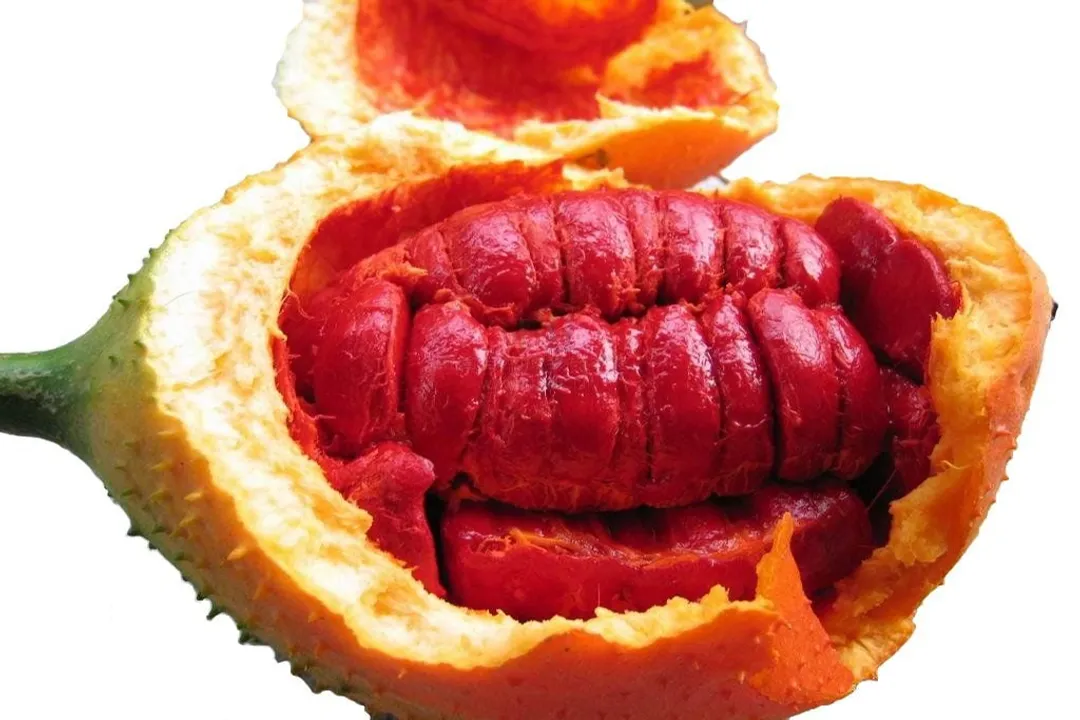
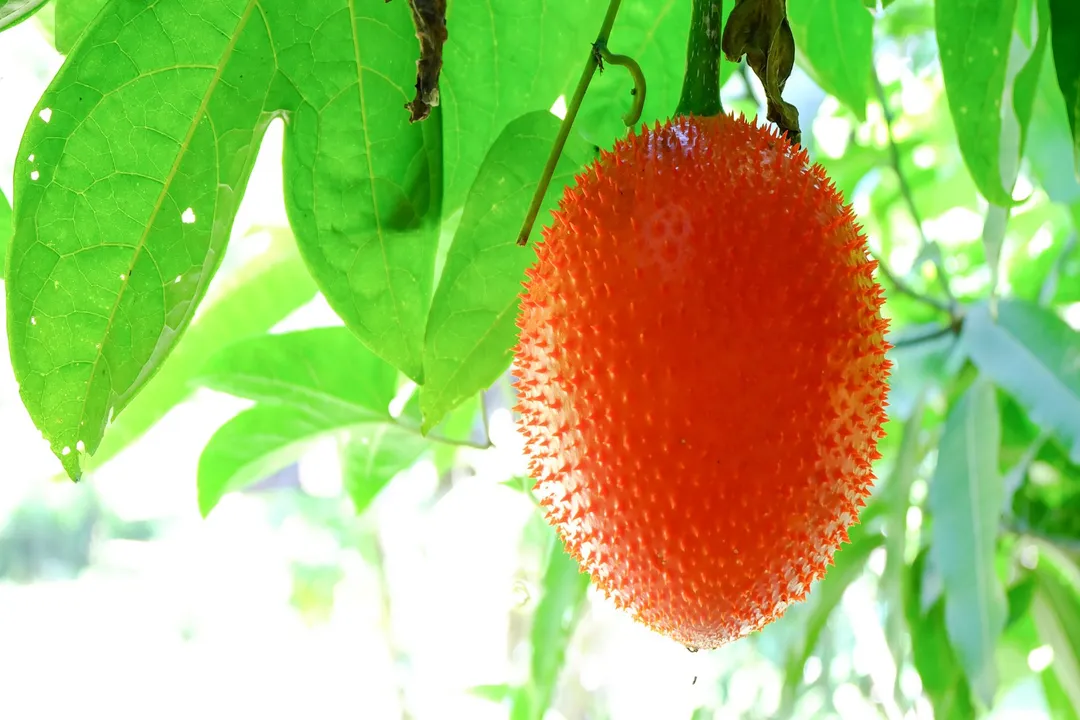
The Gac fruit, often lovingly termed the "fruit from heaven" in its native Vietnam, presents a striking appearance with its spiky, orange-red exterior, growing from a perennial vine. [1][4] While it may resemble a small cantaloupe, its real value lies hidden within the seed membrane. [5] This exotic tropical fruit is typically available for a brief window, harvested around December and January in places like Southeast Asia. [4] Its outer layer, the pericarp, is actually considered toxic and should be avoided; the prized part is the bright red, oily pulp, known as the aril, which surrounds the large seeds inside. [1][4]
# Nutrient Density
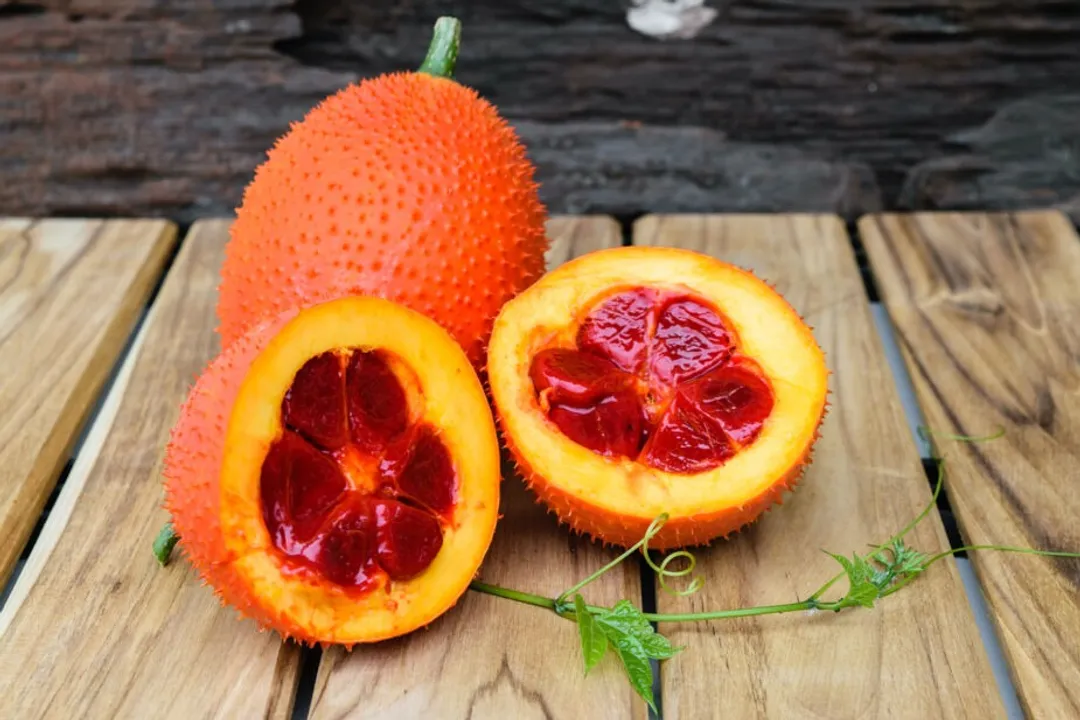
What truly sets Gac apart is its sheer concentration of beneficial phytochemicals, positioning it as a genuine nutrient powerhouse. [5] When looking at its carotenoid content, Gac significantly outpaces more commonly recognized sources. For instance, it boasts up to 70 times more lycopene than the standard tomato. [1][4][5] Similarly, its beta-carotene levels are extraordinary, measuring up to ten times the amount found in carrots. [1][5] Beyond these two major players, Gac also delivers a startling amount of zeaxanthin—reportedly 40 times what is in yellow corn—and its Vitamin C content can be 40 times that of an orange. [1][4]
These fat-soluble nutrients, however, need the right vehicle for absorption. The aril itself provides this solution; it is an exceptional source of long-chain fatty acids. [1] This natural oiliness is critical, as it helps make the powerful carotenoids readily available for the body to utilize, a biological advantage that raw, lean sources might not offer as effectively. [1] Gac also contains other notable compounds, including polyphenols, flavonoids, iron, zinc, and Omega 3 and 6 oils. [1][4][6] Unlike popular antioxidant sources like wine or cocoa, Gac is naturally low in sugar, caffeine-free, and alcohol-free. [4]
# Vision Protection
The high levels of specific carotenoids directly contribute to maintaining eye health, a benefit Gac is perhaps most famous for. [4] Both lutein and zeaxanthin are present, molecules specifically known to protect eye tissues from the harmful effects of blue light. [4] In the eye, these compounds shield the sensitive cornea and the light-receiving retina, which can help ward off degeneration associated with aging. [4] Furthermore, the beta-carotene, which the body converts into Vitamin A, is vital for maintaining good night vision and may reduce the risk factors for conditions like cataracts or general vision loss. [1][4] Vietnamese tradition has long utilized parts of the fruit to specifically treat dry eyes. [1]
# Skin Health

The protective effects of Gac extend effectively to the skin, where they combat the visible signs of aging. This is partly due to the synergy between its vitamins and the structure of the skin itself. [4] The presence of Vitamins A, E, and C aids the body in synthesizing collagen, the protein responsible for keeping skin firm and youthful. [4] Antioxidants like lycopene and beta-carotene work to mitigate oxidative damage—often described as the "rusting" of cells—which contributes to aging. Moreover, Gac is naturally low in sugar, which is often linked to accelerated skin aging and the development of acne. [4] It is worth noting that the fruit’s healthy, polyunsaturated fats aid in the body’s utilization of the carotenoids, creating a dual benefit for skin defense. [4]
# Internal Defense
The powerful antioxidant profile of Gac fruit suggests broad internal protective capabilities, particularly concerning cellular health and the circulatory system. [4] The high lycopene content has been specifically linked to a reduced risk of certain cancers, including those of the prostate, colon, and skin. [1][4] Intriguingly, research has indicated that the fruit contains a specific protein that can inhibit the growth of tumor cells in laboratory models. [1][4] For the cardiovascular system, the combination of lycopene and other antioxidants helps combat atherosclerosis, or the hardening of arteries, potentially lowering the risk of heart attack and stroke. [1][4] The inclusion of Omega 3 and 6 oils also supports DNA repair, adding another layer of protective function. [4]
The fruit also shows promise for blood health. Its rich content of iron, Vitamin C, and folic acid makes it a useful component when addressing or preventing anemia. [4] Furthermore, high levels of antioxidants and compounds like polyphenols are recommended for individuals looking to manage elevated cholesterol levels. [1][4]
# Digestive Function
For those focused on digestive regularity, Gac fruit offers substantial fiber content, a factor often overlooked when focusing only on its famous carotenoids. Gac contains a healthy balance of both soluble and insoluble fiber. Insoluble fiber is essential for pushing waste efficiently through the intestines, which directly helps prevent constipation and maintain consistent digestive movement. The soluble fiber works differently; it forms a gel-like substance in the stomach, which can help slow the absorption of sugar and cholesterol, contributing to steadier blood sugar maintenance and supporting heart health indirectly. This fiber also feeds beneficial bacteria in the gut, contributing to a balanced gut microbiota.
# Preparation and Sourcing
When preparing Gac, remember that only the aril is used; scraping this vivid red pulp off the seeds must be done carefully, as it is known to stain hands deeply. [4][5] The fresh flavor is very mild—not sweet, sometimes compared to avocado—which makes it versatile for mixing. [4] Traditionally, it is cooked with sticky rice to create the festive, good-luck dish xoi gac. [1][4]
While finding fresh Gac fruit might require a trip to specialized Asian or Vietnamese markets, especially during its short peak season, processed forms are available year-round. [5] These include powdered forms, juices, and Gac seed oil. [5] However, consumers should exercise caution regarding supplements made from Gac fruit. [5] Because the stability of the active phytochemicals in processed or dried products is uncertain, the health claims associated with packaged goods require a more skeptical view than consuming the freshly processed fruit pulp. [5] If you are seeking the full spectrum of fat-soluble nutrients, processing the fresh or flash-frozen aril at home, rather than relying solely on extracts, ensures you benefit from the naturally occurring fatty acids that aid absorption. [1] If fresh fruit is unavailable, looking for reliable sources that freeze the aril—as suggested by some vendors—is a sound strategy to preserve nutrient integrity over long-term storage, compared to heavily processed powders. [6]
Related Questions
#Citations
What are the benefits of gac fruit? - Vinmec
Gac Fruit: The Superfood You Have Never Heard Of - Amy Burkhart
Gac fruit and its incredible health advantages - Nam An Market
[PDF] Alternative Medicine - Gac - Visionary Eye Center
The Benefits of Gac fruit for Digestive Health - Forganic
Gac Fruit - Australian School of Meditation & Yoga