What is the most common skin irritant?
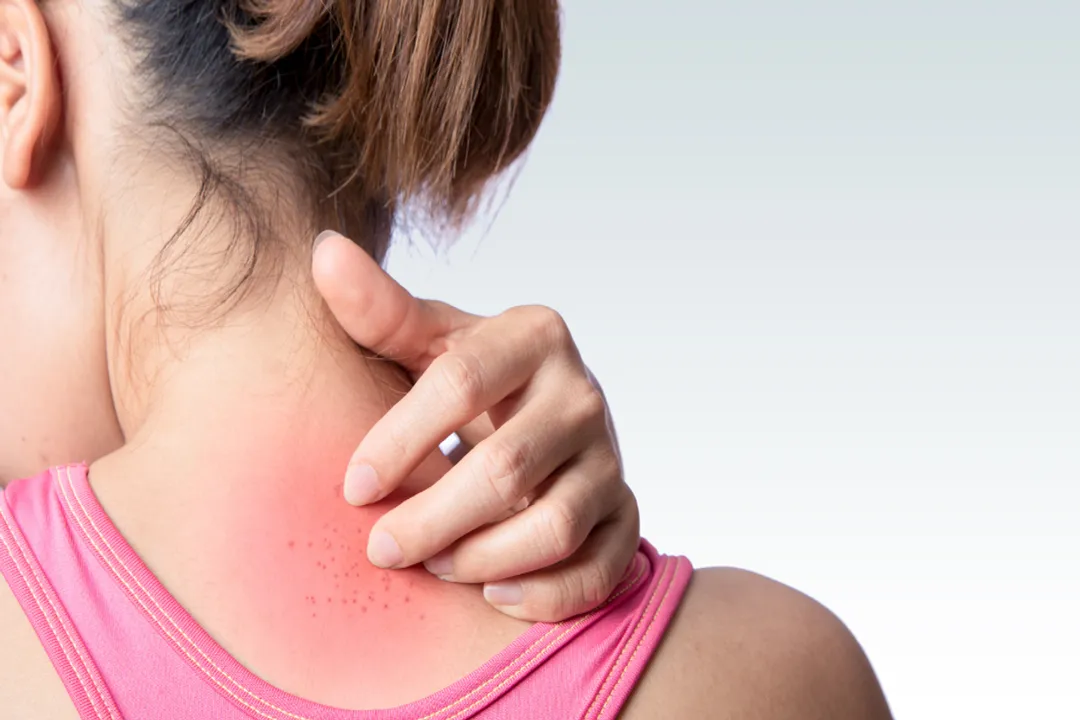
Skin irritation is an incredibly frequent complaint, often leading people to seek advice from dermatologists or allergists. While many substances can cause the skin to become red, itchy, or inflamed, understanding what triggers these responses requires separating the general physical culprits from the specific immune system reactions. When discussing the "most common skin irritant," the answer often depends on whether you mean the most frequent type of reaction seen in clinics or the single most frequently encountered substance in daily life that damages the skin barrier. In clinical settings, the most common overall diagnosis related to external exposure is contact dermatitis. [3][5][8]
# Irritant versus Allergy
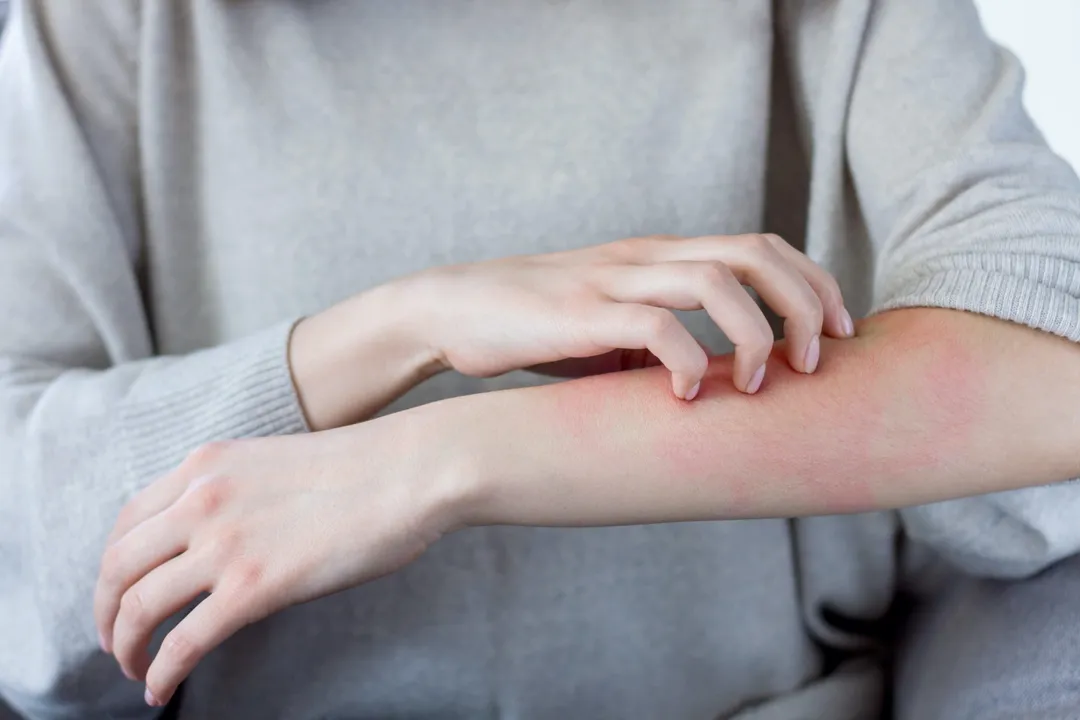
Contact dermatitis, the inflammation of the skin, manifests in two primary forms: Irritant Contact Dermatitis (ICD) and Allergic Contact Dermatitis (ACD). [2][4][6]
The reaction that constitutes the most common form of contact dermatitis is typically Irritant Contact Dermatitis (ICD). [2][4] This condition is not a true allergy but rather a direct, toxic reaction where a substance physically damages the skin’s protective outer layer, the stratum corneum. [2][4] Think of it as a direct assault on your skin barrier. [2] This damage can happen immediately upon exposure to a strong chemical, like an acid or a harsh solvent, or it can develop gradually over time after repeated exposure to a milder substance. [2][4] For example, frequent handwashing with harsh soap without immediate moisturizing can lead to ICD over several days or weeks. [4]
In contrast, Allergic Contact Dermatitis (ACD) is an immune system-mediated event. [2][4][6] It is a delayed hypersensitivity reaction, meaning the body has been previously sensitized to a specific substance (an allergen), and upon re-exposure, the immune system launches an inflammatory response, usually T-cells. [2][4][6] This reaction takes time to manifest, often appearing 48 to 72 hours after contact, unlike some irritant reactions that can be nearly instantaneous. [4]
To put the frequency in perspective: ICD accounts for the vast majority—around 80%—of all contact dermatitis cases seen in dermatology practices. [2] Therefore, the most common way people react to external skin challenges is through direct irritation rather than an immune-mediated allergy. [2]
# Most Frequent Triggers
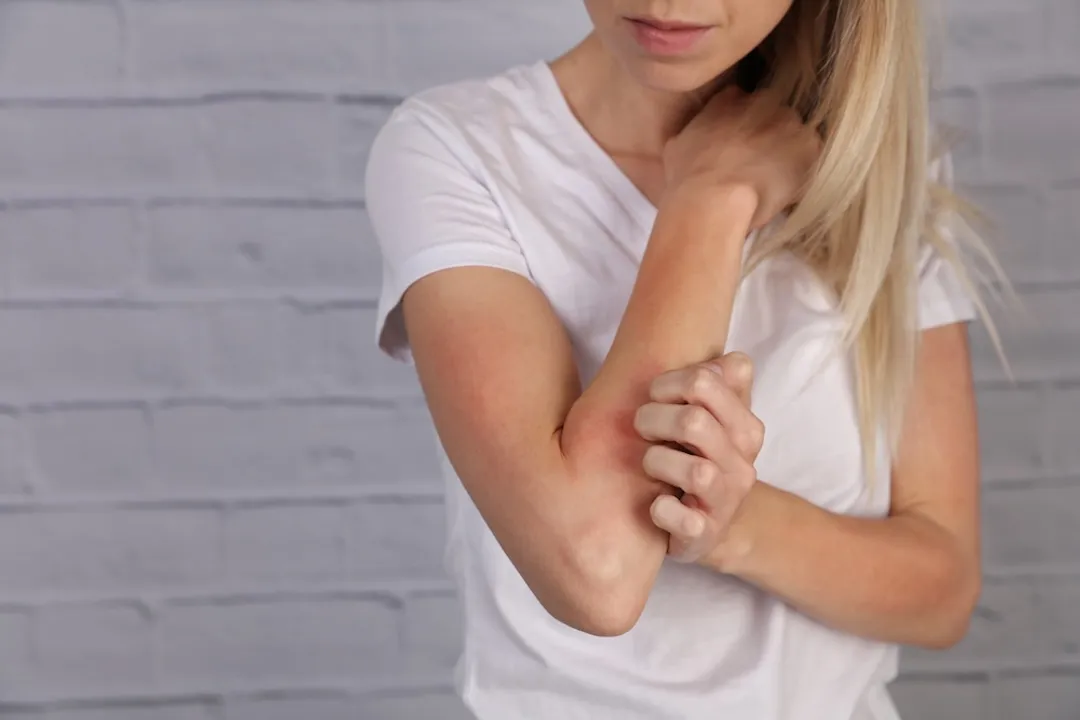
If we broaden the scope beyond just the type of reaction to the substance causing the most reactions, both ICD and ACD culprits are widespread, but certain materials appear repeatedly in literature concerning both irritation and allergy.
For the ICD category, the chief offenders are often common household and industrial agents that strip natural oils or are inherently caustic:
- Soaps and Detergents: Frequent exposure, especially to strong cleaning agents, is a major driver of hand dermatitis. [1][4]
- Solvents: Chemicals used in industrial settings or for degreasing can break down skin lipids rapidly. [4]
- Acids and Alkalis: These are potent irritants that cause immediate damage. [4]
When focusing specifically on Allergic Contact Dermatitis (ACD), where the immune system is involved, a handful of allergens consistently top the charts across various studies and patient populations. [5][7] While a definitive single answer is elusive because exposure varies by region and lifestyle, nickel is frequently cited as the single most common allergen. [3][5][7]
# Nickel Exposure
Nickel is ubiquitous in modern life, which contributes to its high prevalence as an allergen. [3][7] It is often found in:
- Costume jewelry, even small amounts in gold alloys. [3]
- Belt buckles and metal snaps on clothing. [3]
- Cell phones, laptops, and keys (metal surfaces that are frequently touched). [3]
- Eyeglass frames. [7]
The reaction to nickel is classic ACD, presenting as itching, redness, and often small bumps or blisters at the point of contact, such as an earlobe or waistline. [3]
# Fragrance and Preservatives
After metals, fragrances and preservatives rank highly as common chemical sensitizers. [1][7] These ingredients are intentionally added to countless personal care products—soaps, lotions, deodorants, cosmetics, and even laundry detergents—to make them smell pleasant or keep them from spoiling. [1][7]
Specific preservatives that frequently cause issues include formaldehyde or formaldehyde-releasing agents, and methylisothiazolinone (MI/MIT). [1][7] Because consumers use dozens of products daily, the cumulative exposure to these hidden chemical sensitizers can be significant, making them hard to isolate as the cause without careful investigation. [7]

# The Plant Threat
While chemical irritants and metals dominate product-related reactions, one category stands alone in terms of acute, severe reactions after outdoor exposure: Rhus dermatitis, caused by plants in the Toxicodendron genus. [1][4][5][7]
Poison ivy, poison oak, and poison sumac all contain an oily resin called urushiol. [1][4][5] Urushiol is an extremely potent contact allergen. [5] Even brief contact with the plant, or touching an object that has recently contacted the plant (like a garden tool or a pet's fur), can trigger a severe allergic reaction. [1][4] The characteristic rash—intense itching, redness, and weepy blisters—is a textbook example of ACD. [5] Because the oil remains active on surfaces for a long time, exposure can recur unexpectedly long after the initial contact, making proper decontamination a crucial step. [4]
# Recognizing Chemical Signatures
Dermatologists recognize that certain ingredients are inherently more likely to cause problems, whether through irritation or allergy. It can be helpful for consumers to recognize these families of ingredients when reading labels:
| Ingredient Family | Primary Reaction Type | Common Sources |
|---|---|---|
| Metals (e.g., Nickel, Cobalt) | Allergic (ACD) [3][5] | Jewelry, hardware, tools [3] |
| Fragrances | Allergic (ACD) [1][7] | Perfumes, cosmetics, soaps [1] |
| Preservatives (e.g., MI, Formaldehyde) | Allergic (ACD) [1][7] | Lotions, shampoos, wipes [1] |
| Dyes (e.g., PPD) | Allergic (ACD) [5] | Hair coloring products [5] |
| Surfactants/Detergents | Irritant (ICD) [1][4] | Dish soap, laundry detergent, harsh cleansers [4] |
| Topical Antibiotics/Anesthetics | Allergic (ACD) [1][4] | First-aid creams (e.g., Neomycin, Benzocaine) [1] |
One interesting point of comparison is the reaction profile of ingredients in hair dye. Para-phenylenediamine (PPD) is a common, powerful sensitizer found in permanent hair dyes. [5][7] Reactions here are almost exclusively allergic and can sometimes be widespread, extending beyond the scalp area due to runoff or transfer. [5] In contrast, the ingredients that cause ICD, like strong detergents, are often encountered on the hands first because of their primary cleaning function. [4]

# Beyond the Obvious
While the list above covers the heavy hitters, skin can react to many other substances. For instance, ingredients in sunscreen, particularly the chemical absorbers, are becoming increasingly recognized as potential contact allergens. [7] Similarly, certain ingredients in topical medications, such as the anesthetic Benzocaine or the antibiotic Neomycin, are well-known for causing ACD in individuals who use them for minor cuts or sores. [1][4] Rubber accelerators used in the manufacturing of gloves or elastic components can also cause reactions in sensitized individuals. [5] Even common household plants other than poison ivy, like chrysanthemums and daffodils, carry compounds that can trigger allergic skin responses. [7]
This sheer variety highlights a key challenge: the irritant or allergen is often something used daily and assumed to be safe, leading to chronic, low-grade inflammation that gets mistaken for dry skin or eczema. [1]
# Self-Triage and Investigation
When a rash appears, determining whether you are dealing with the more common ICD or the allergy-based ACD can guide initial steps. If you notice inflammation immediately after using a new product or cleaning with a strong chemical, suspect ICD. [2] If the rash appears two days after exposure and is intensely itchy, suspect ACD. [4]
However, the most confusing scenario involves mixed reactions or chronic inflammation. For example, repeated exposure to a mild detergent (ICD risk) might weaken the skin barrier, making it easier for a low-level allergen like a fragrance to penetrate and cause a secondary ACD. [2] The skin’s health is a continuum; a compromised barrier is susceptible to far more agents than intact skin.
If you suspect ACD, the definitive diagnostic step is patch testing. [2][5][6] This specialized test involves placing small amounts of common allergens under patches on the back for 48 hours and reading the results later to pinpoint the exact chemical causing the immune reaction. [2][5][6] This is the only reliable way to confirm a specific allergy and move from guesswork to targeted avoidance. [5]

# Managing Exposure
Because the most common irritant reaction (ICD) is caused by direct physical damage, prevention centers on protecting that barrier, especially on the hands, which are ground zero for most environmental exposures. [4]
A practical first step before expensive testing is a Household Swap Audit. For two weeks, systematically replace your highest-contact items with hypoallergenic, fragrance-free versions. Start with your hand soap and dish soap; switch to a mild, clear, fragrance-free formulation. [1] Then, examine your laundry detergent. If you see improvement, you were likely dealing with ICD driven by harsh surfactants or fragrances. If the rash persists despite using the mildest products available, it strongly suggests an underlying ACD that requires professional investigation, pointing toward metals or chemical preservatives that are harder to eliminate from everyday items. [7]
Furthermore, understanding how moisture affects irritation is key. While water itself isn't usually the irritant, prolonged exposure to water—especially hot water—softens the skin, making it far more susceptible to breakdown by even mild soaps or other chemicals present in the water or on surfaces. [4] Always pat skin dry gently rather than rubbing, and immediately apply a bland, thick moisturizer or barrier cream after any significant wetting or cleaning activity to physically reinforce the damaged barrier. [4] This proactive skin conditioning addresses the underlying mechanism of the most common form of contact dermatitis.
Another valuable consideration involves reading ingredient lists when shopping for personal care items. Since preservatives like MI/MIT are so common, actively looking for products labeled "preservative-free" or those that use alternative preservation methods can drastically reduce the exposure load, even if you haven't been formally diagnosed with an allergy to them yet. [1] It is often safer to minimize exposure to known sensitizers than to wait for the sensitization process to occur. [7]
Related Questions
#Citations
Beware: Common Skin Irritants Hiding In Plain Sight
Skin Allergies: The Most Common Culprits
Contact Dermatitis: Symptoms, Causes, Types & Treatments
Contact dermatitis - Symptoms and causes - Mayo Clinic
Common Skin Contact Allergens - Universal Dermatology & Vein Care
Skin Allergies | Causes, Symptoms & Treatment | ACAAI Public ...
What Are the Most Common Triggers for Skin Allergies?
Contact Dermatitis | Allergy and Immunology - Mercy Health
Skin Rashes - Causes, Types, and Treatments - UCHealth