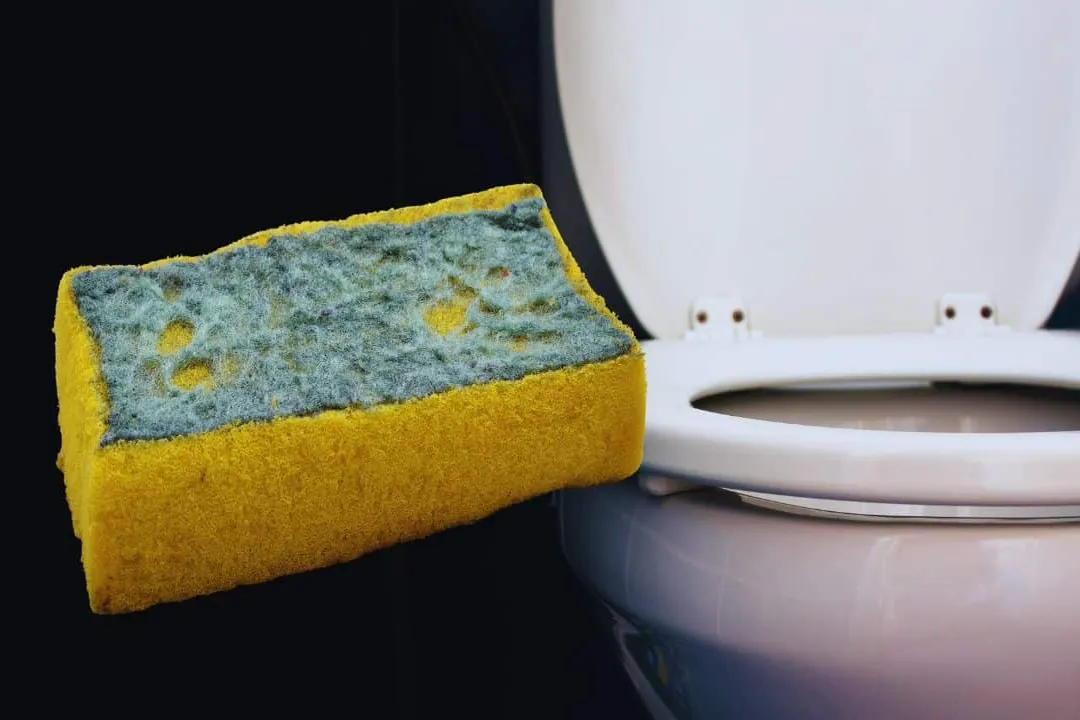
Why does a kitchen sponge often harbor a higher density of bacteria than a toilet seat?
Answer
The sponge acts as a porous reservoir that traps food particles and moisture, creating an ideal environment for colonization.
A kitchen sponge functions as a porous reservoir, meaning its complex cellular structure creates thousands of tiny nooks that capture food debris and retain water. Because these conditions provide both nutrients and moisture, bacteria thrive within the material. In contrast, while a toilet is a place of human waste, it is regularly flushed and scrubbed with harsh disinfectants, which actively limits the ability of microbial colonies to grow to the same density found within the absorbent, food-rich environment of a sponge.
Related Questions
Why does a kitchen sponge often harbor a higher density of bacteria than a toilet seat?What is the primary role of Moraxella osloensis in a kitchen environment?Why are common sanitation methods like microwaving or boiling ineffective at creating a sterile sponge?How often is it recommended to replace a kitchen sponge to maintain effective hygiene?What is the most effective way to store a kitchen sponge to inhibit bacterial growth?Why do cutting boards often become permanent homes for bacteria in a kitchen?What distinguishes the danger level of bacteria on a sponge from those in a toilet bowl?What physical property of a sponge is responsible for its high density of bacteria?Why are dish towels considered high-risk items in a kitchen setting?What represents the most dangerous scenario for bacterial transmission in a kitchen?