Is sponge dirtier than toilet?
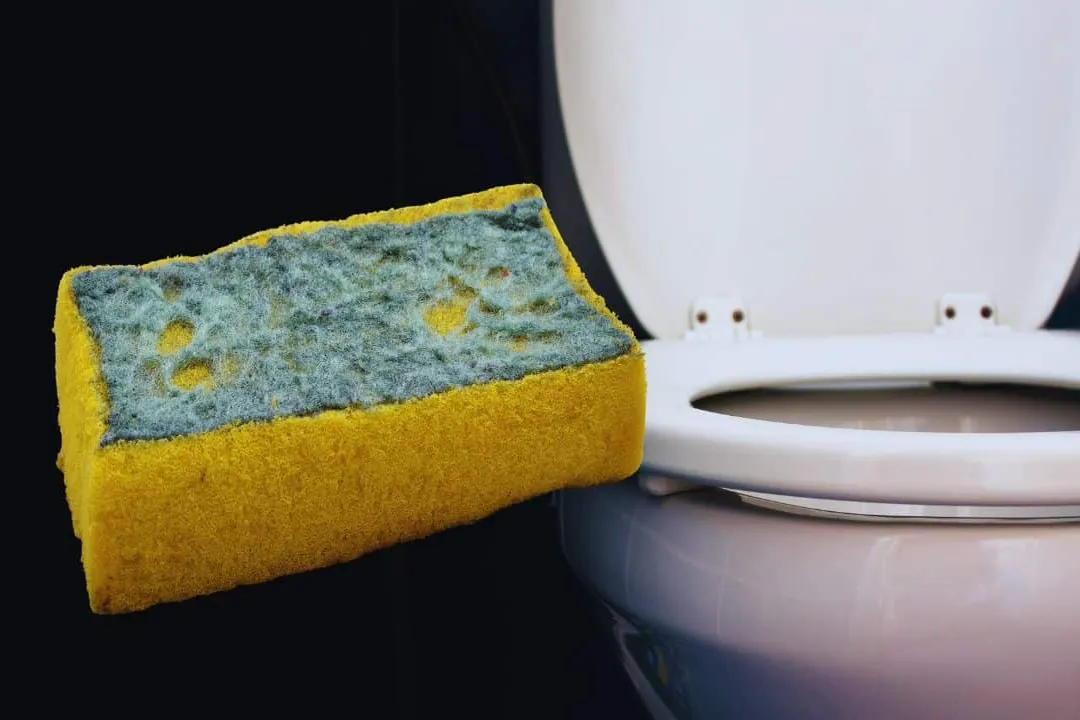
Many people operate under the assumption that the bathroom is the epicenter of household germs. Consequently, the kitchen sponge is often treated as a benign tool for cleaning, rather than a significant source of microbial growth. Scientific investigations have repeatedly indicated that the average kitchen sponge can harbor a significantly higher density of bacteria than a typical toilet seat. [1][9] This discrepancy stems from how these two items are used and maintained.
While a toilet is frequently flushed and typically cleaned with harsh disinfectants, a kitchen sponge is constantly exposed to moisture, food particles, and warm temperatures—the perfect conditions for microbial colonization. [3][5] The sponge is essentially a porous reservoir that traps everything it cleans, making it difficult to fully sanitize. [2]
# Bacterial Counts
Research has suggested that the bacterial density in a standard kitchen sponge can be thousands of times higher than that found on a toilet seat. [1][7] This high count is primarily due to the sponge’s surface area and cellular structure. Every tiny pore in a sponge acts as a sanctuary for microorganisms, protecting them from mechanical removal. [3]
It is important to distinguish between the sheer volume of bacteria and the pathogenicity, or disease-causing potential, of those organisms. A toilet bowl is frequently home to fecal coliforms, which are directly associated with human waste and can pose serious health risks. [5] In contrast, the bacteria inhabiting a kitchen sponge are often environmental microbes that feed on food residue, such as Moraxella osloensis, a bacterium known to cause a pungent odor in laundry. [2] While the total number of bacteria on a sponge is often higher, the specific types of germs found there do not always present the same immediate health threats as those found in a bathroom environment. [8][9]
# Sanitation Limits
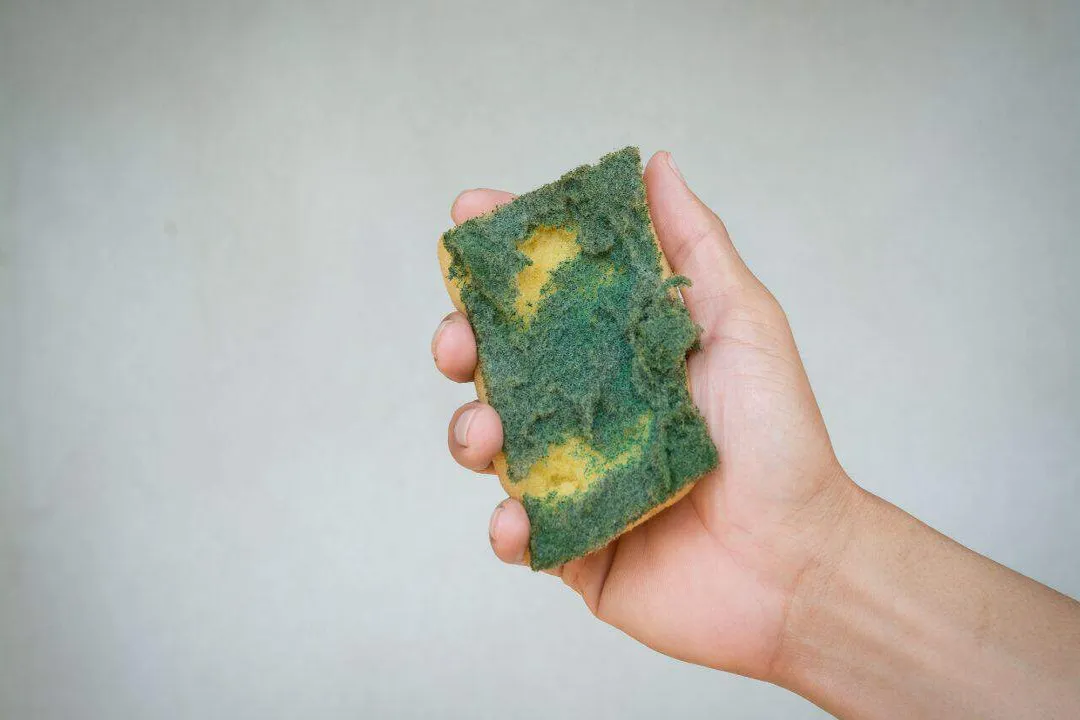
Many households attempt to sanitize sponges using common methods like microwaving or boiling. These techniques can reduce the microbial load, but they rarely achieve true sterilization. [3] Studies have shown that while heating a damp sponge can kill a significant percentage of bacteria, it often leaves the most resilient microbes behind. [2]
Because the heat does not penetrate every corner of the sponge effectively, these hardy survivors can multiply rapidly once the sponge is back in use. [2] In some instances, attempts to sanitize a sponge may inadvertently select for stronger, more resistant strains of bacteria, potentially worsening the hygiene profile of the item over time. [3] Reliance on these cleaning methods can create a false sense of security, leading users to keep a single sponge for much longer than is advisable. [3]
# Maintenance Strategies
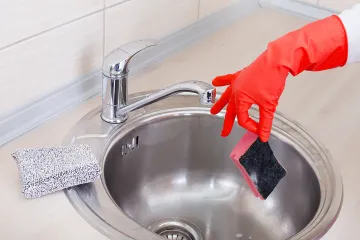
To manage the microbial buildup in kitchen sponges, a shift in mindset is necessary. Instead of focusing on sterilization, focus on mechanical removal and lifecycle management. The following table illustrates a recommended strategy for managing kitchen sponges to minimize bacterial growth.
| Action | Frequency | Purpose |
|---|---|---|
| Rinse | After every use | Removes loose food particles and debris. |
| Wring Out | After every use | Removes moisture to dry the material. |
| Store Dry | Continuously | Denies bacteria the water they need to thrive. |
| Replace | Every 1-2 weeks | Prevents long-term colonization and buildup. |
Adopting a strict rotation schedule is more effective than attempting to clean a heavily soiled sponge. If a sponge develops an odor, that is a direct indicator of bacterial overgrowth, and it should be discarded immediately. [3] Storing a sponge on a wire rack or an elevated holder that allows air to flow through it is significantly better than leaving it flat on the edge of the sink, where it remains damp for hours. [6]
# Kitchen Hotspots
The sponge is not the only culprit in the kitchen. Because the kitchen is a food-preparation zone, it naturally accumulates diverse organic matter, which serves as fuel for bacteria. [6] Several other items frequently exceed the bacterial load of a toilet seat due to improper cleaning habits.
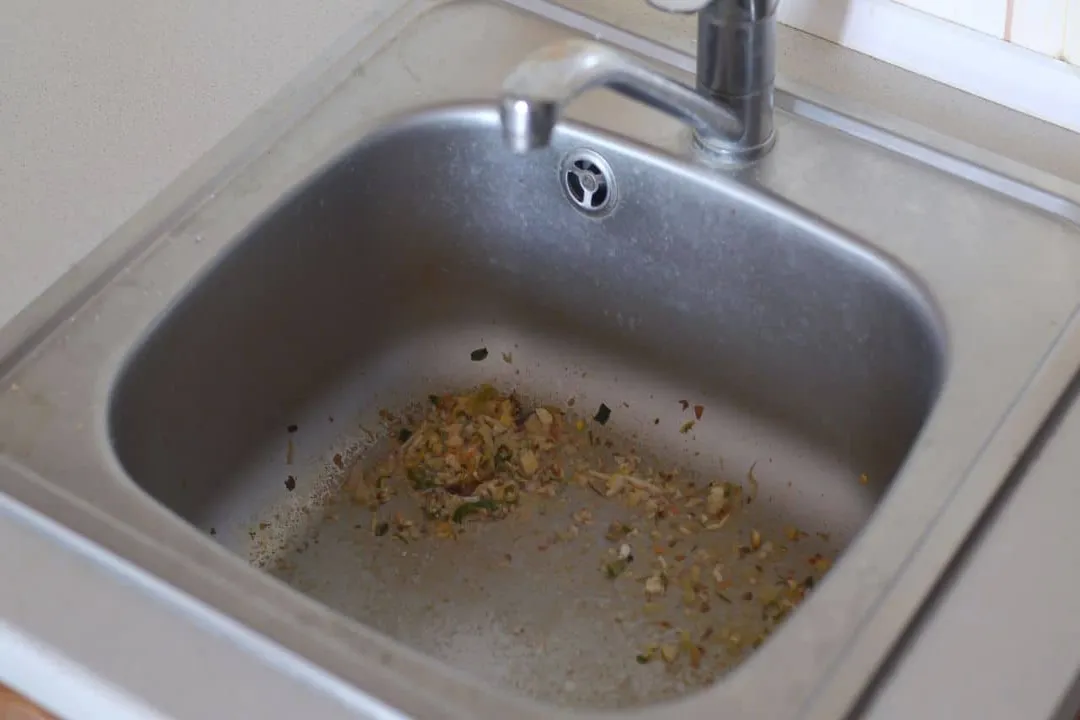
- Kitchen Sinks: The drain area is constantly moist and collects food scraps. It is rarely disinfected as thoroughly as a toilet bowl. [6][7]
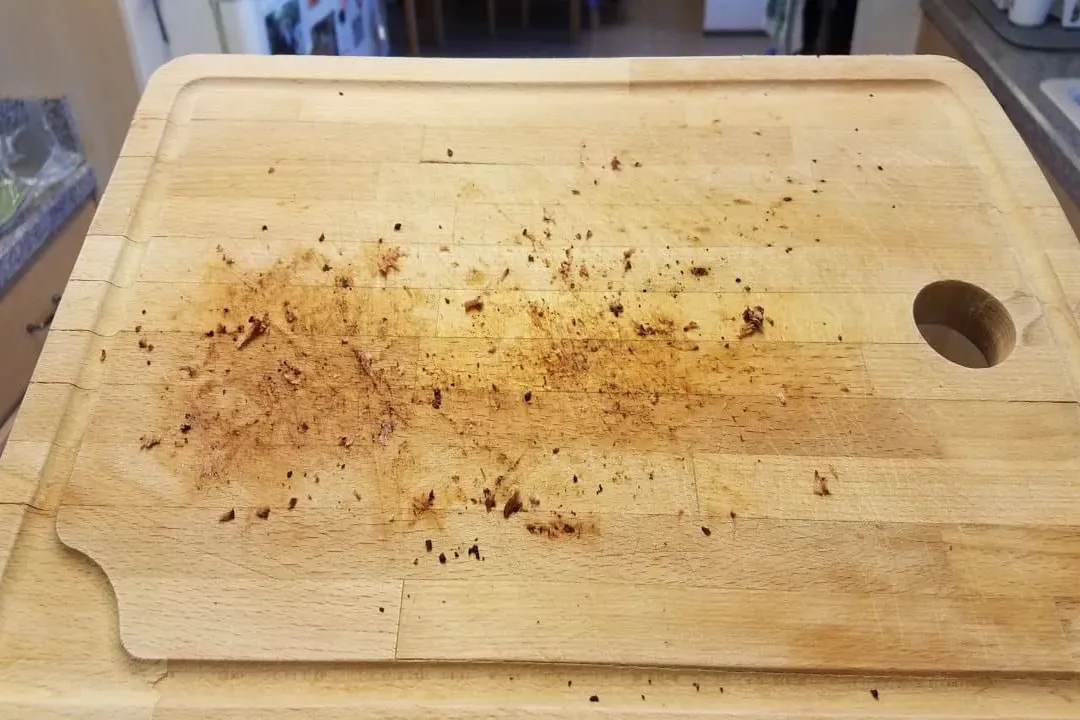
- Cutting Boards: Knives create grooves in boards that are difficult to clean. If not scrubbed with hot, soapy water after every use, these grooves become permanent homes for bacteria. [6]
- Dish Towels: Similar to sponges, damp towels are high-risk items. They are often reused for multiple days, cross-contaminating clean surfaces with whatever they picked up previously. [7]
Understanding that these items are dirtier than a toilet does not mean the kitchen is inherently dangerous. It highlights the importance of consistent habits. Washing hands before and after food preparation and keeping surfaces dry are more effective interventions than attempting to disinfect every square inch of the kitchen. [3][5]
# Immune Context
The reason most people do not become ill from their kitchen sponges involves the body’s immune system. Exposure to a high concentration of non-pathogenic, environmental bacteria is a regular occurrence in daily life. [8] The human body is capable of handling, and even benefiting from, a certain level of microbial exposure.
The danger arises when pathogenic organisms—those that cause infection—are introduced to the kitchen environment through raw meat, unwashed produce, or poor hand hygiene. A sponge laden with bacteria becomes a vehicle for spreading these specific pathogens across countertops and dishes. [3] Therefore, the most dangerous scenario is not the presence of bacteria itself, but the cross-contamination of harmful microorganisms from food items like raw chicken onto surfaces where they can survive and multiply. [5]
To maintain a healthy kitchen, prioritize keeping the area dry and replacing porous cleaning tools regularly. Acknowledging that the sponge is a bacterial reservoir is the first step toward better hygiene. By treating it as a temporary tool rather than a permanent fixture, you significantly reduce the risk of keeping a high-density microbial colony on your countertop.
Related Questions
#Citations
TIL A kitchen sponge is 200000 times dirtier than a toilet seat, and a ...
Your Sponge May Be Dirtier Than Your Toilet - TIME
Kitchen Hygiene: Let's Talk About That Sponge! - [email protected]
Your Kitchen Sponge Is Dirtier Than Your Toilet #shorts - YouTube
The Dirty Little Secret Inside Your Kitchen Sponge
8 Items in Your Kitchen That Are Dirtier Than Your Toilet
10 Possible items dirtier than toilet bowl - Initial
What's cleaner -- a toilet bowl or a kitchen sponge? | HowStuffWorks