dirt articles
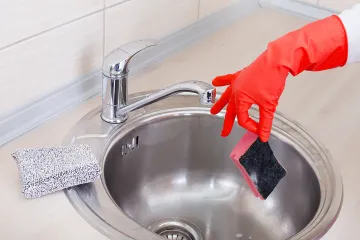
What specific structural feature makes a standard kitchen sponge an ideal incubator for rapid microbial replication?
Which specific genera of bacteria are frequently identified within the microbial communities inhabiting kitchen sponges?
Why does microwaving a kitchen sponge often fail to effectively sanitize it and potentially worsen the situation?
What is the most reliable schedule for replacing a kitchen sponge to maintain household hygiene?
Why are silicone scrubbers considered a more sanitary cleaning tool than traditional cellulose sponges?
What is the primary role of stagnant water in the context of kitchen hygiene and cleaning tools?
What makes the dishwasher an imperfect solution for sanitizing a standard kitchen sponge?
Why is the use of kitchen brushes often recommended over sponges to prevent bio-sludge buildup?
What is a major financial and hygiene benefit of switching to durable alternatives like silicone brushes or reusable cloths?
How can one modify storage habits to minimize bacterial growth in a sponge without discarding it prematurely?
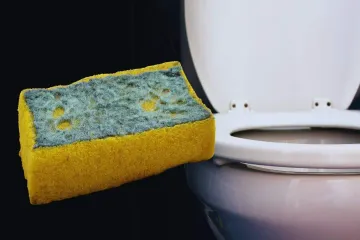
Why does a kitchen sponge often harbor a higher density of bacteria than a toilet seat?
What is the primary role of Moraxella osloensis in a kitchen environment?
Why are common sanitation methods like microwaving or boiling ineffective at creating a sterile sponge?
How often is it recommended to replace a kitchen sponge to maintain effective hygiene?
What is the most effective way to store a kitchen sponge to inhibit bacterial growth?
Why do cutting boards often become permanent homes for bacteria in a kitchen?
What distinguishes the danger level of bacteria on a sponge from those in a toilet bowl?
What physical property of a sponge is responsible for its high density of bacteria?
Why are dish towels considered high-risk items in a kitchen setting?