Why are common sanitation methods like microwaving or boiling ineffective at creating a sterile sponge?
Answer
They often fail to kill the most resilient microbes, which survive and multiply rapidly after use.
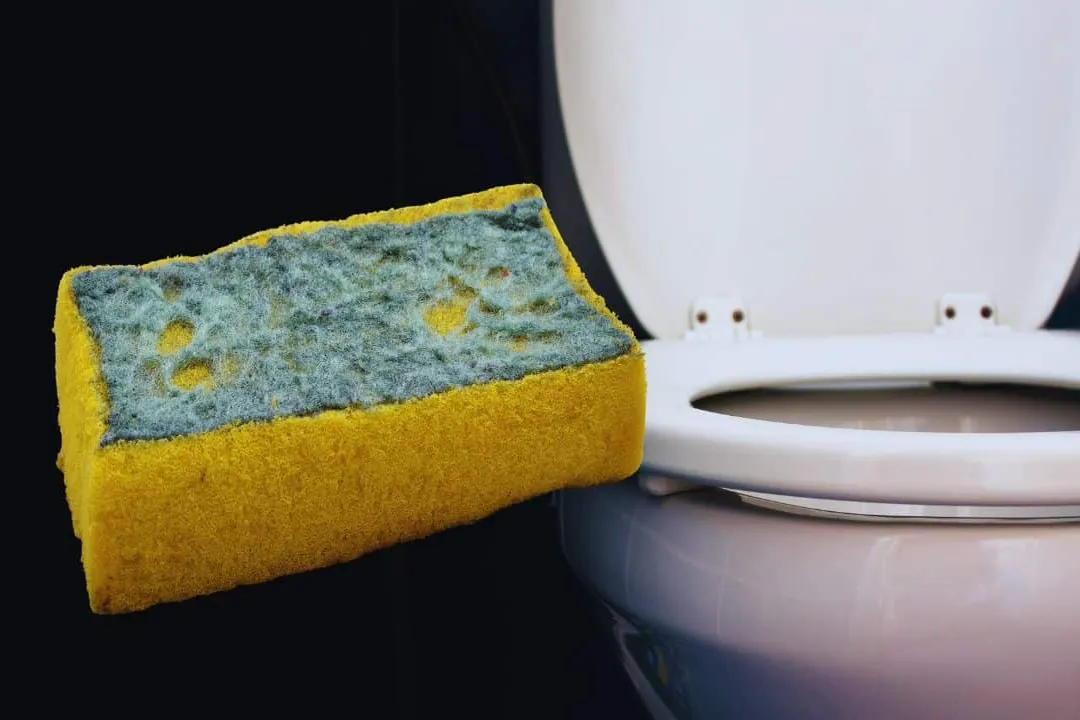
While applying high heat through boiling or microwaving a damp sponge can significantly reduce the total number of bacteria present, these techniques are rarely successful in achieving true sterilization. Because a sponge is a complex, porous structure, heat often cannot penetrate every single area effectively. The most hardy, heat-resistant microbes typically survive these cleaning attempts and, once the sponge cools and returns to a moist state, they rapidly proliferate. This creates a false sense of security for the user, who may continue to use a heavily contaminated tool under the assumption that it has been cleaned.
Related Questions
Why does a kitchen sponge often harbor a higher density of bacteria than a toilet seat?What is the primary role of Moraxella osloensis in a kitchen environment?Why are common sanitation methods like microwaving or boiling ineffective at creating a sterile sponge?How often is it recommended to replace a kitchen sponge to maintain effective hygiene?What is the most effective way to store a kitchen sponge to inhibit bacterial growth?Why do cutting boards often become permanent homes for bacteria in a kitchen?What distinguishes the danger level of bacteria on a sponge from those in a toilet bowl?What physical property of a sponge is responsible for its high density of bacteria?Why are dish towels considered high-risk items in a kitchen setting?What represents the most dangerous scenario for bacterial transmission in a kitchen?