What is more hygienic than a sponge?
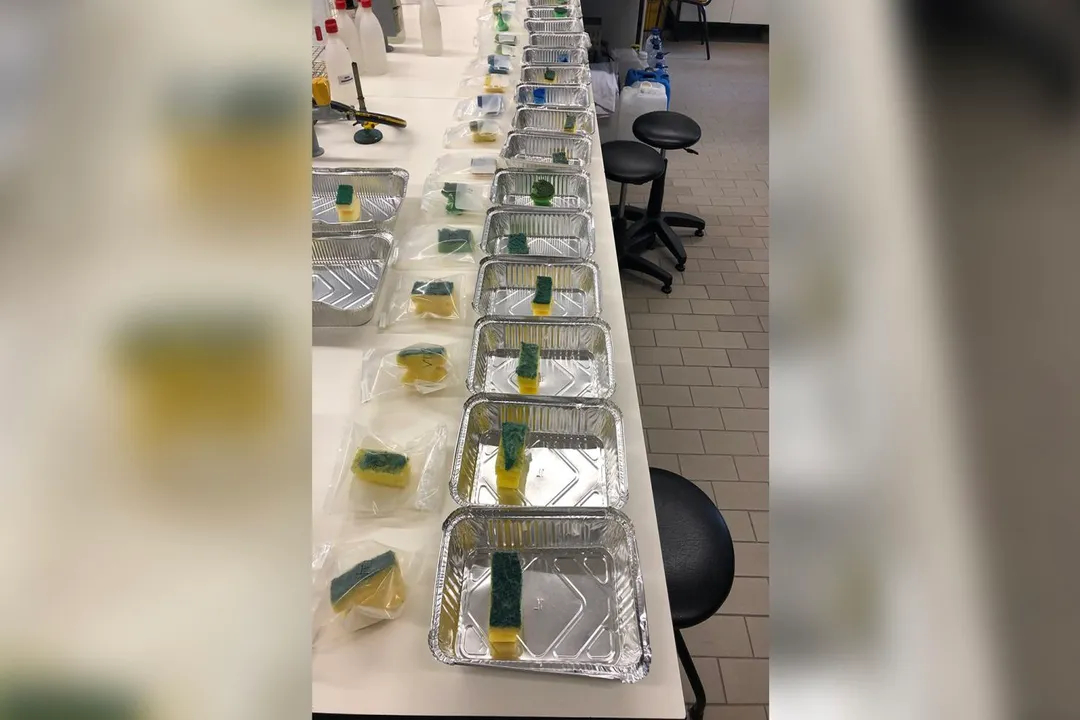
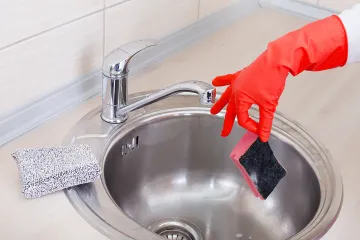
The rectangular, porous kitchen sponge is a staple in most households, but it is often a significant source of bacterial accumulation. [1][9] Because its primary function is to soak up liquid and hold soap, it inadvertently provides an ideal, moist habitat for microorganisms to grow. [1][7] While we often assume a sponge is cleaning our plates, research indicates that these tools can actually spread bacteria across surfaces rather than removing it. [1][9] Understanding how to replace or manage this tool is a matter of changing habits rather than just switching products.
# The Flaw
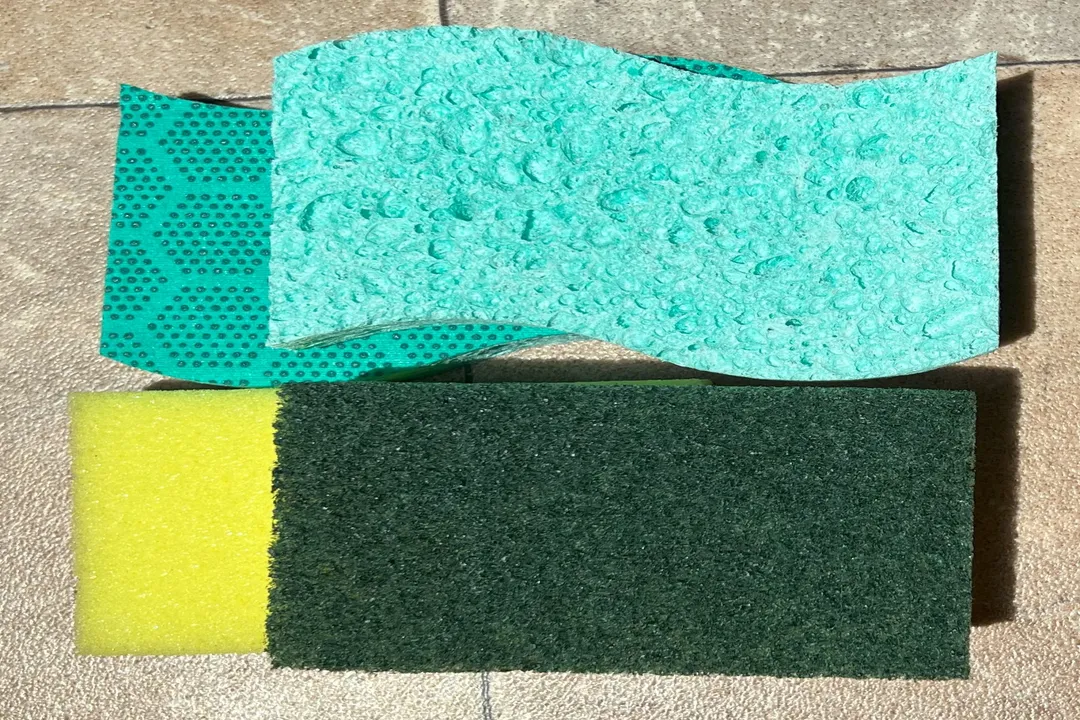
The core issue with the standard kitchen sponge is its structural design. It is built to be absorbent and dense, which means it remains wet long after the dishes are finished. [1][7] Bacteria such as Salmonella, E. coli, and Campylobacter thrive in warm, damp environments. [1][6] When you use a sponge to wipe a counter after cleaning a cutting board that held raw meat, you may be transferring pathogens into the sponge's interior pockets. [9]
Once inside, these microbes create a biofilm, a protective layer that makes standard cleaning methods like rinsing with water or even microwaving ineffective. [1][6] Studies have shown that even after attempting to sanitize sponges, the bacterial load often remains high. [1][9] This creates a false sense of security where the tool intended to sanitize the kitchen is, in reality, a primary vehicle for cross-contamination. [1][7]
# Dish Brushes
Dish brushes are a distinct improvement in terms of hygiene, primarily because of their physical structure. [1] Unlike sponges, which are porous and sponge-like, brushes are made of bristles with open spaces between them. This design allows for significantly faster drying times. [7]
Speed of drying is the most critical factor in bacterial growth. Since most bacteria require moisture to multiply, a tool that dries quickly effectively starves the microorganisms of their life-sustaining environment. [1][7] When you stand a brush upright in a cup or hang it by a hook, air circulates around the bristles, stripping away the moisture that pathogens need to survive. [7]
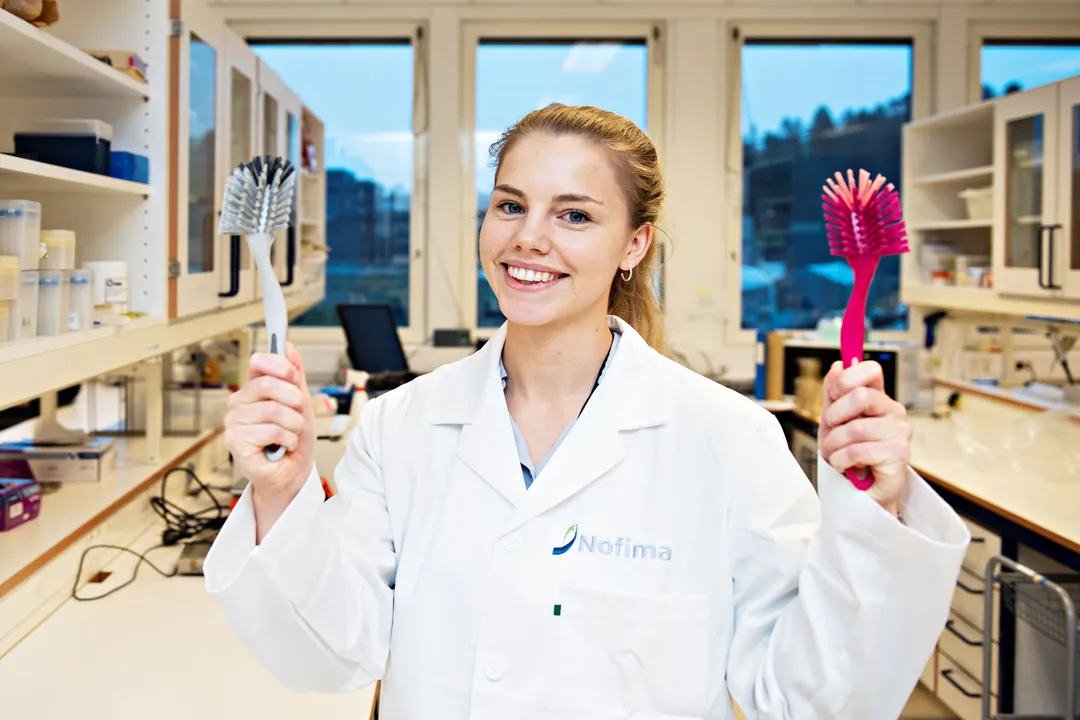
Research supports this shift. A study conducted by Nofima, a food research institute, found that using a dish brush is more hygienic than using a sponge. [7] The bristles can also provide mechanical action that is just as effective, if not more so, than the abrasive side of a sponge, particularly for scrubbing dried food from pots and pans. [1]
# Dishcloths
Dishcloths occupy a unique place in the debate. Many home cooks prefer them because they offer a tactile way to wash dishes and can be handled easily. [3] From a hygiene perspective, dishcloths share some of the same risks as sponges because they can hold moisture if left in a bunched-up pile. [2] However, they possess one major advantage: they are machine washable. [2][3]
To make dishcloths a hygienic option, you must change them frequently. [2] Many experts recommend having a dedicated supply so you can use a fresh one every day, tossing the used one into the laundry. [3] The key to success with dishcloths is temperature. Washing them in hot water with a high-temperature drying cycle is generally sufficient to kill the bacteria they have collected throughout the day. [2][3]
If you choose to use cloths, consider the material. Natural fibers like cotton are durable and can withstand the heat required for sanitation, whereas some synthetic microfibers may degrade over time when washed at very high temperatures. [3]
# Alternative Options
Beyond the standard brush and cloth, several other tools can serve as effective, hygienic alternatives.
- Tawashi Scrubbers: These are traditional Japanese brushes, often made from natural fibers like sisal, hemp, or palm. [4] They are incredibly durable and designed to dry out very quickly. Because they do not have a sponge-like interior, they do not harbor bacteria in the same way, and many are compostable once they wear out. [4]
- Silicone Scrubbers: Silicone is non-porous. Bacteria cannot penetrate the material, which makes it resistant to the biofilm buildup seen in traditional sponges. [8] While silicone scrubbers may not always provide the same level of abrasive scrubbing power as a nylon brush, they are easy to rinse and sanitize in the dishwasher. [8]
- Wooden Brushes: These often feature natural plant-based bristles. They are excellent for scrubbing, provided they are kept in a dry area when not in use. [7]
# Hygiene Comparison
| Tool Type | Drying Speed | Sanitization | Longevity |
|---|---|---|---|
| Sponge | Very Slow | Difficult | Short |
| Dish Brush | Very Fast | High | Long |
| Dishcloth | Moderate | High (Machine Wash) | Moderate |
| Silicone | Fast | High (Dishwasher) | Long |
# Sanitation Tips
Even with a better tool, human behavior dictates the level of hygiene in your kitchen. To minimize microbial risk, consider how you handle your cleaning equipment on a daily basis.
The most effective way to prevent bacterial growth is to limit the moisture availability in your cleaning tools. A simple test you can perform at home is to observe your current tool’s drying cycle. If it feels damp 12 hours after use, it is likely serving as a bacterial nursery. If you find this is the case, your primary goal should be to increase airflow.
Another effective strategy is the "Rotation System." Instead of relying on a single tool, keep two identical brushes or sets of cloths. Use one while the other is resting and air-drying. By creating a cycle where each tool has 24 hours to dry completely, you significantly reduce the likelihood of a bacterial colony taking hold. This simple, two-tool swap is often more effective than attempting to sanitize a single, constantly damp sponge with bleach or microwaves. [1][9]
When choosing your primary tool, prioritize durability and surface structure. Avoid products that trap water inside them. If you gravitate toward brushes, ensure the bristles are stiff enough to handle your specific cleaning needs without needing to press hard, as forcing the brush into tight corners can lead to bristle breakage.
Finally, consider the environment where you store your cleaning supplies. A dark, enclosed area under the sink is the worst place for a damp brush or cloth. Store your cleaning tools in a place with good air circulation, such as near an open window or a rack that allows them to hang freely. Providing a dedicated space for your tools to "breathe" is just as important as the material of the tool itself.
By shifting away from the traditional sponge and adopting a system that prioritizes rapid drying and easy sanitation, you can maintain a cleaner, more hygienic kitchen environment without significant extra effort.
#Videos
SPONGE or SCRUB CLOTH Which One is REALLY Better for ...
Related Questions
#Citations
A sponge may not be the most hygienic way to clean dishes ... - CNN
Why are rags considered better than sponges for kitchen cleaning?
Dishcloths vs. Brushes vs. Sponges - Cleaning - Apartment Therapy
The Best Kitchen Sponge Alternative | Epicurious
Sanitary dish cleaning alternatives to sponges? - Facebook
Dishwashing sponges and brushes: Consumer practices ... - PubMed
Brushes are more hygienic than sponges - Nofima
SPONGE or SCRUB CLOTH Which One is REALLY Better for ...
Kitchen Hygiene: Let's Talk About That Sponge! - [email protected]