How dirty are sponges?
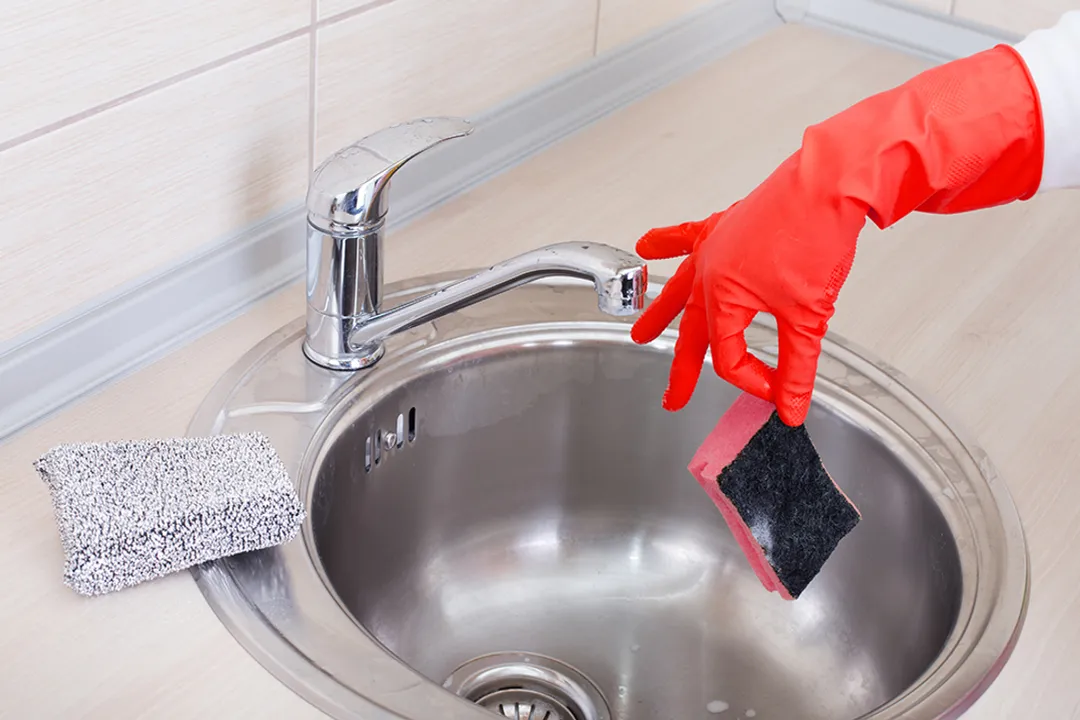
Your kitchen sponge, likely sitting by the sink right now, holds a secret population that rivals the density of human cities. While you may use it to scrub away debris and grease, the sponge itself often acts as a concentrated reservoir for bacteria. [1][9] Research shows that these common cleaning tools can harbor hundreds of millions of microbes, effectively distributing them across your countertops, plates, and cutlery every time you wipe a surface. [3][5]
# Microbial Cities
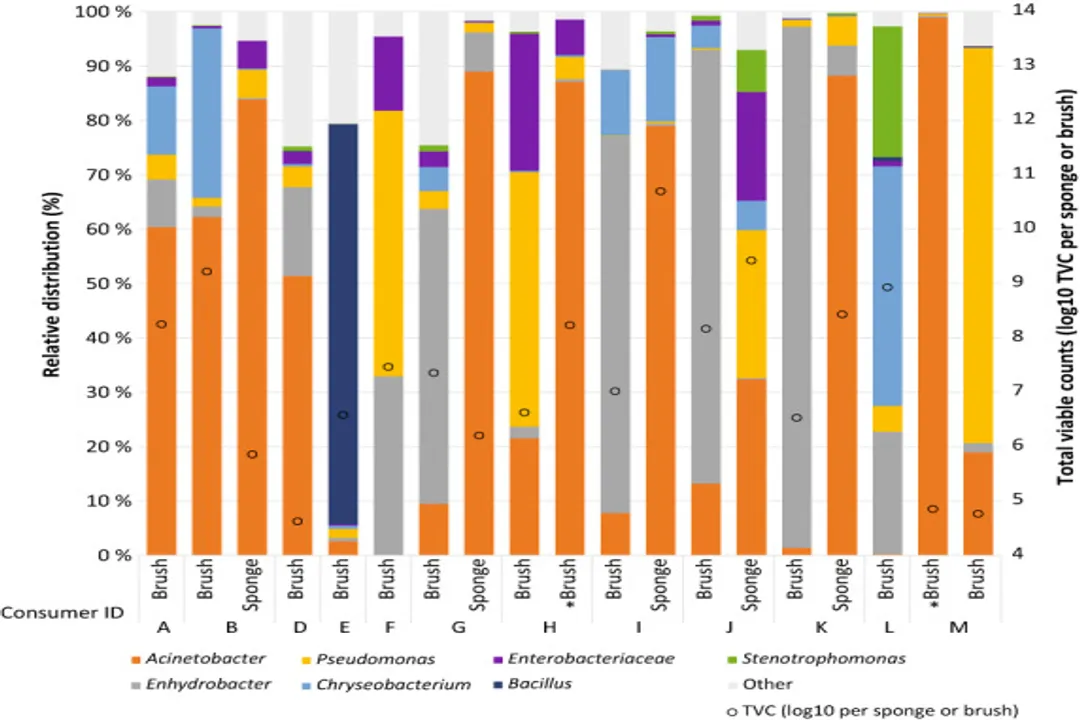
The fundamental problem with the standard kitchen sponge lies in its structural design. It is not merely a porous material; it is a complex architecture of interconnecting channels and nooks. [9] Duke University researchers have found that this structure mimics a dense, multi-species habitat, providing diverse niches for bacteria to thrive. [9] Because the sponge retains moisture, traps food particles, and offers a massive surface area relative to its size, it creates an ideal incubator for rapid microbial replication. [5][9]
When you wipe a kitchen counter with a used sponge, you are not necessarily removing bacteria; you are likely spreading them from a concentrated source to a broader area. [7] Studies on the microbial communities found within sponges reveal the presence of various genera, including those that can cause foodborne illnesses, such as Salmonella, E. coli, and Campylobacter. [5] Even if you keep your kitchen visually clean, the sponge remains an overlooked vector for cross-contamination. [1][7]
# Cleaning Myths

Many people believe that standard household techniques can sanitize a sponge effectively. Common advice includes microwaving the sponge, boiling it, or running it through the dishwasher. [1] However, scientific analysis suggests these methods are rarely as effective as people hope. [6] Microwaving a sponge, while capable of killing some microbes, often fails to eliminate the most resilient strains. [1] In fact, this process can select for stronger, heat-resistant bacteria, which then multiply and take over the now-cleared space, leaving you with a potentially more problematic sponge than before. [6]
Boiling water presents similar issues. It is difficult to ensure the water penetrates every pore long enough to achieve true sterilization. [6] If the temperature drops too quickly or the sponge is too thick, pockets of bacteria survive. The dishwasher is generally more effective than the microwave, but it is not a perfect solution either. [1] The hot water and detergent can reduce the bacterial load significantly, yet if the sponge stays damp after the cycle finishes, the colony populations bounce back within days. [6][8]
# Replacement Cycles
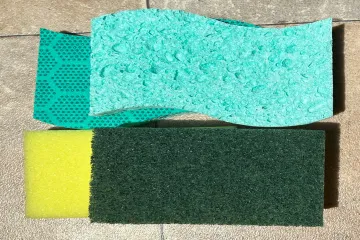
Given that true sterilization is difficult and often counterproductive, experts suggest a shift in mindset: treat the sponge as a disposable item rather than a permanent fixture. [6][8] Relying on smell as an indicator of when to toss a sponge is a mistake, as the visual and olfactory signs of decay appear long after the bacterial colonies have reached peak density. [7]
A strict rotation schedule is the most reliable way to manage this issue. Replacing a sponge weekly is a conservative and effective habit for households that do significant cooking. [6] If you use your sponge sparingly, perhaps only for light dusting or specific tasks, you might stretch this to two weeks, but beyond that, the microbial load often becomes unmanageable for standard cleaning methods. [8]
| Method | Effectiveness | Major Drawback |
|---|---|---|
| Microwave | Low | Encourages resistant bacteria |
| Boiling | Low to Moderate | Inconsistent heat penetration |
| Dishwasher | Moderate | Re-colonization if damp |
| Replacement | High | Ongoing small cost |
# Better Tools
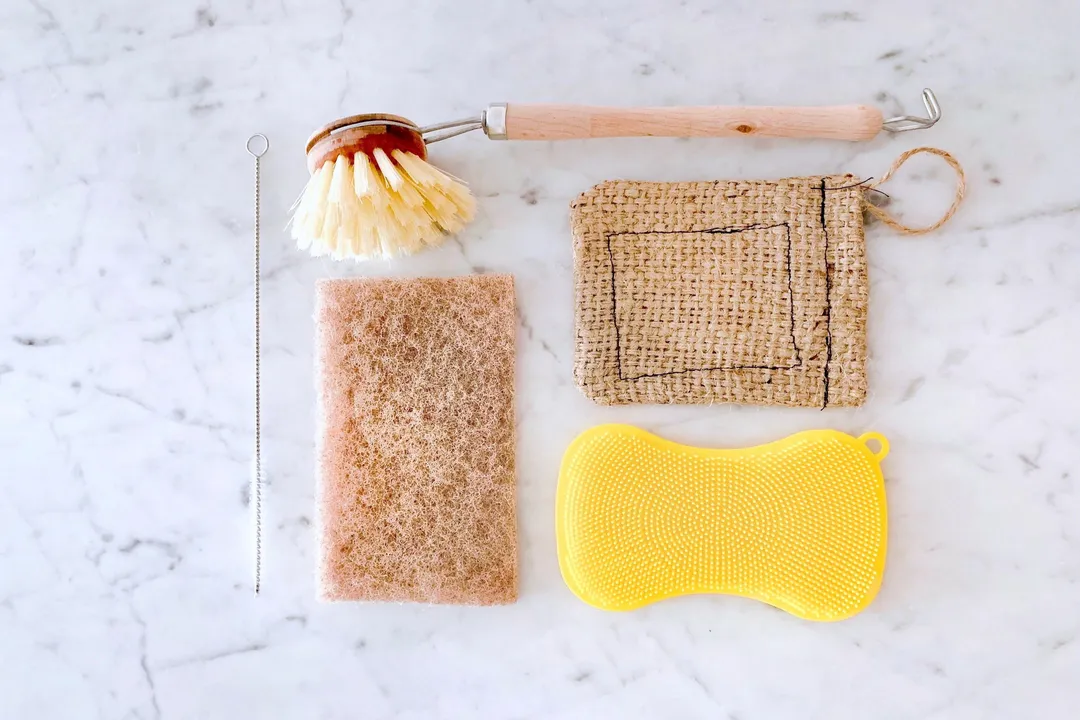
If the environmental impact of disposing of sponges weekly concerns you, there are alternatives that offer better sanitation profiles. Switching to tools made from less porous materials can change the game. Silicone scrubbers, for example, are non-porous and generally harbor far fewer bacteria because they do not trap moisture or food particles in the same way cellulose sponges do. [3] They are also easy to sanitize in a dishwasher, where the high heat can reliably clean the surface without the risk of creating a bacterial breeding ground. [8]
Another option is the use of kitchen brushes. Brushes typically have bristles that dry quickly and do not hold organic matter, which prevents the build-up of the "bio-sludge" that defines the typical kitchen sponge. [2] Using a dish cloth is also an option, provided you maintain a supply of them and launder them in hot, soapy water after every use. [6]
# Economic Analysis
When comparing the long-term habits of sponge users versus those using durable alternatives, a pattern emerges in the total cost of ownership. The average household might buy a pack of sponges every two months, with each sponge lasting a week or two before being tossed. Over the course of a year, this equates to roughly 26 to 52 sponges. At an average cost of 1.00 per sponge, the annual expenditure sits between 50.
In contrast, investing in two high-quality silicone brushes or a set of five reusable cloths costs roughly 20 up front. These tools can last a year or more with proper care. While the difference in absolute dollars is small, the return on investment is not just financial; it is a reduction in the sheer volume of waste heading to landfills and a significant decrease in the bacterial count on your kitchen surfaces. Switching away from the disposable sponge model represents an efficiency gain for both your home hygiene and your household budget.
# Smart Habits
Beyond choosing the right tool, how you store your cleaning implement is just as important as how often you replace it. The enemy of hygiene in the kitchen is stagnant water. [5] Bacteria require moisture to survive and reproduce. Therefore, leaving a sponge sitting flat in a pool of water at the bottom of a sink is the fastest way to turn it into a microbial hazard.
To manage this, ensure your sponge or brush is placed in a holder that allows for maximum airflow. [7] A rack that keeps the tool elevated and allows water to drain into the sink basin is necessary. If you can, store your sponge in a place where it will dry completely between uses. A dry sponge is a dormant sponge; bacteria populations cannot explode in an environment where they lack the hydration required for growth. Small changes, such as squeezing the sponge tightly after use and standing it on its edge rather than laying it flat, can make a measurable difference in the bacterial count before the next time you need it.
#Videos
How Dirty Is Your Kitchen Sponge? | Talking Point | Full Episode
Related Questions
#Citations
So Your Kitchen Sponge Is A Bacteria Hotbed. Here's What To Do
CMV: Sponges are not a sanitary way to clean dishes and ... - Reddit
How Dirty Are Kitchen Sponges? | Blueland
How Dirty Is Your Kitchen Sponge? | Talking Point | Full Episode
Bacterial levels and diversity in kitchen sponges and dishwashing ...
Your kitchen sponge teems with bacteria – should you use a brush ...
A dirty kitchen sponge can breed bacteria and contaminate your ...
Dangerous Bacteria Lingers in Kitchen Dish Sponges - AARP
The Surprising Structural Reason Your Kitchen Sponge is Disgusting