Why are dish towels considered high-risk items in a kitchen setting?
Answer
They remain damp for long periods and are frequently reused.
Similar to sponges, dish towels are highly effective at picking up moisture and debris from countertops and dishes. Because they are often used repeatedly over several days without being laundered, they become excellent vehicles for cross-contamination. A damp towel used to dry a surface that was previously touched by unwashed produce or raw meat can spread harmful pathogens to every other item or surface it contacts, making them a significant but often overlooked hygiene risk.
Related Questions
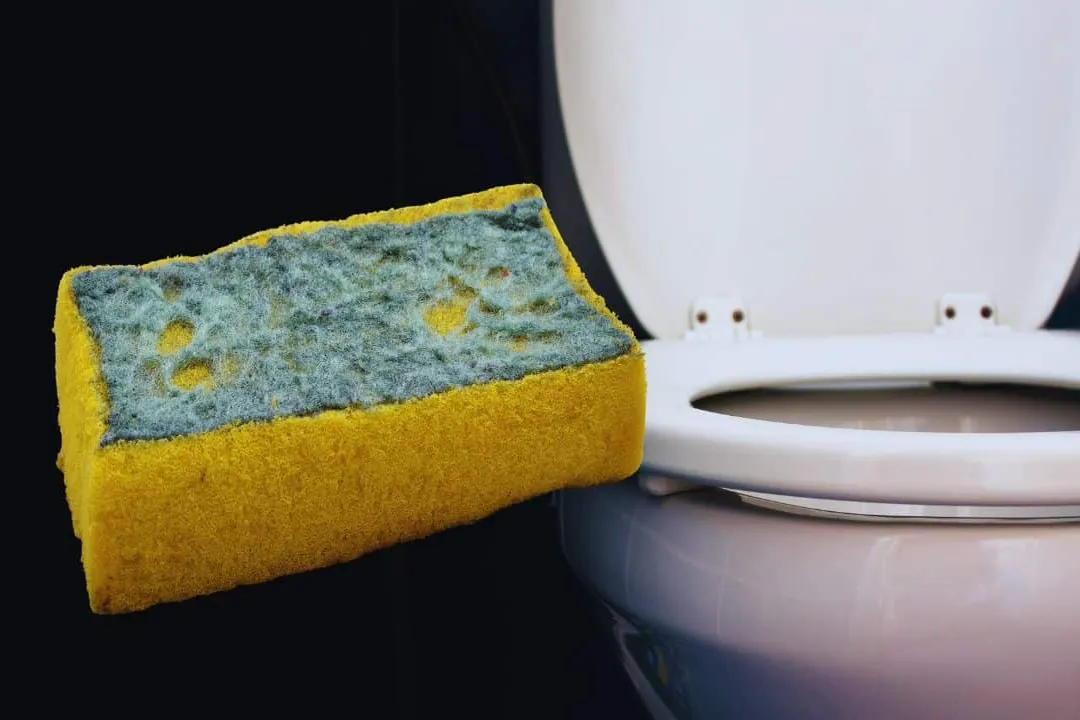
Why does a kitchen sponge often harbor a higher density of bacteria than a toilet seat?What is the primary role of Moraxella osloensis in a kitchen environment?Why are common sanitation methods like microwaving or boiling ineffective at creating a sterile sponge?How often is it recommended to replace a kitchen sponge to maintain effective hygiene?What is the most effective way to store a kitchen sponge to inhibit bacterial growth?Why do cutting boards often become permanent homes for bacteria in a kitchen?What distinguishes the danger level of bacteria on a sponge from those in a toilet bowl?What physical property of a sponge is responsible for its high density of bacteria?Why are dish towels considered high-risk items in a kitchen setting?What represents the most dangerous scenario for bacterial transmission in a kitchen?