What distinguishes the danger level of bacteria on a sponge from those in a toilet bowl?
Answer
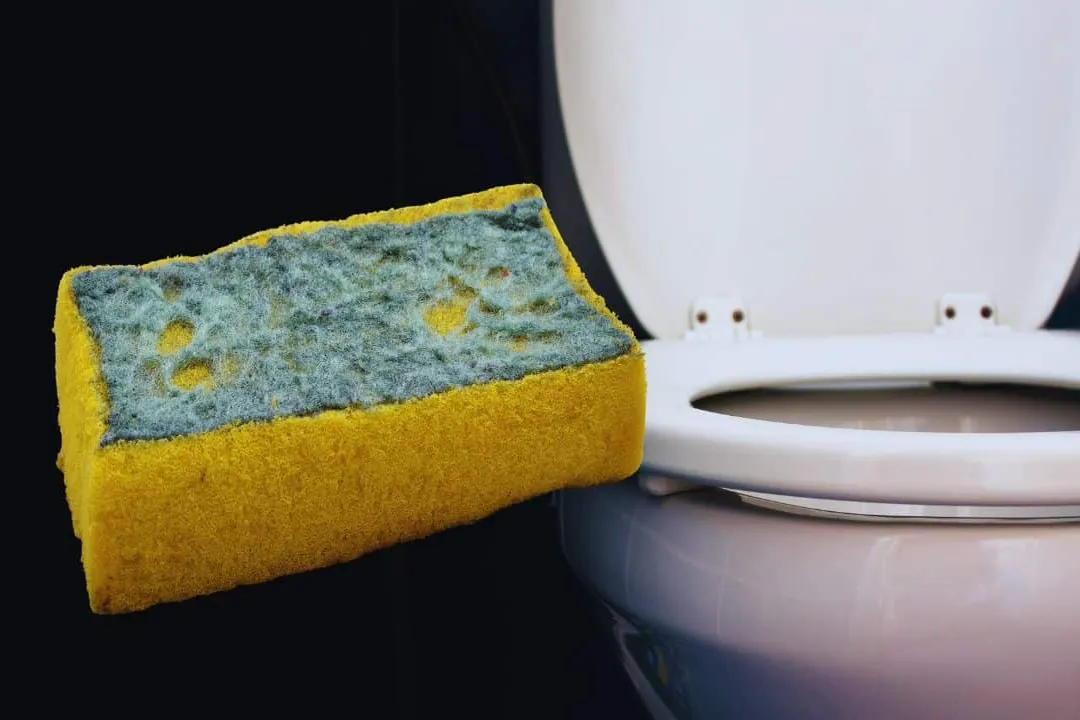
Toilet bowls harbor fecal coliforms associated with human waste, whereas sponge bacteria are typically environmental microbes.
A distinction exists between the volume of bacteria and the type of bacteria present. Toilet bowls are habitats for fecal coliforms, which originate from human waste and are inherently linked to severe health risks and diseases. Conversely, the high counts of bacteria often found in kitchen sponges usually consist of non-pathogenic environmental organisms that feed on food debris. While the number of organisms might be higher on the sponge, the potential for causing human illness is generally lower than that posed by pathogens found in a bathroom environment, provided that no cross-contamination occurs.
Related Questions
Why does a kitchen sponge often harbor a higher density of bacteria than a toilet seat?What is the primary role of Moraxella osloensis in a kitchen environment?Why are common sanitation methods like microwaving or boiling ineffective at creating a sterile sponge?How often is it recommended to replace a kitchen sponge to maintain effective hygiene?What is the most effective way to store a kitchen sponge to inhibit bacterial growth?Why do cutting boards often become permanent homes for bacteria in a kitchen?What distinguishes the danger level of bacteria on a sponge from those in a toilet bowl?What physical property of a sponge is responsible for its high density of bacteria?Why are dish towels considered high-risk items in a kitchen setting?What represents the most dangerous scenario for bacterial transmission in a kitchen?