Are sponges dirtier than toilets?
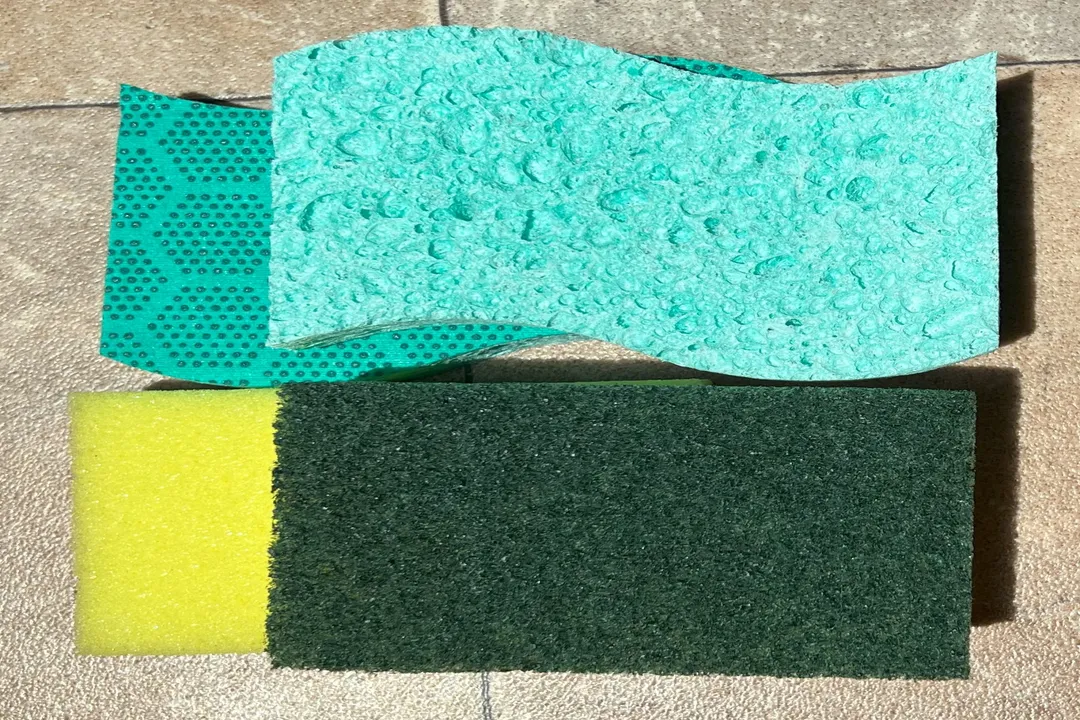
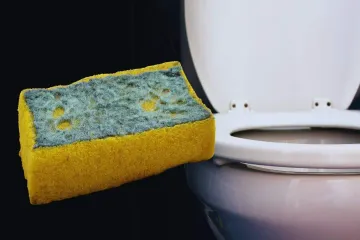
It is a common, albeit unsettling, comparison: the item you use daily to wipe down your counters and dishes versus the porcelain throne itself. The reality is that for many households, the kitchen sponge is not just dirtier than the toilet bowl—it can be exponentially so, transforming from a cleaning aid into a thriving microbial ecosystem.
The intuition that a sponge, saturated with water, food scraps, and grease, should harbor germs is correct, but the sheer scale of the contamination often defies belief. This seemingly innocuous household staple, often made from cellulose, possesses characteristics that make it the perfect incubator for bacteria, turning routine clean-up into a potential vector for foodborne illness. When you consider that about 12% of foodborne illnesses stem from home-cooked meals, understanding where germs hide in the kitchen becomes a critical safety measure.
# Germ Count Showdown
When pitting the kitchen sponge against the commode, the numbers quickly paint a stark picture. A standard toilet bowl may contain an average of 3.2 million bacteria per square inch, including germs present in the water that settles inside. While that figure is certainly high, the figures associated with a well-used sponge dwarf it.
Studies have demonstrated that sponges quickly become bacterial hotspots. In one comparison, a kitchen sink area registered nearly 32,000 bacteria per 25 cm². In contrast, a toilet seat registered around 398 bacteria per 25 cm², and the flusher handle, only 83 bacteria per square inch. This suggests that the surfaces we intentionally clean frequently in the bathroom often harbor far fewer microbes than the area used for washing dishes.
The exponential growth inside the sponge is alarming. One analysis noted that after just two weeks of use, a typical sponge can host approximately 8 million bacteria. In another study tracking student apartments, sponges jumped from nearly 400,000 bacteria after one week to an astounding 20 million bacteria per sponge by weeks two and three. To put the sponge's microbial load into an even higher perspective, one source estimates an average kitchen sponge contains 45 billion microbes per square centimeter. If we compare the surface area units, the difference in concentration, not just total number, is immense.
# Pathogens Lurking Inside
The problem isn't just the volume of microbes; it's the type of bacteria present. Kitchen sponges are frequently found to harbor pathogenic bacteria, meaning germs that can actively cause disease. Specifically, contamination from Coliform bacteria is common, which indicates the presence of fecal matter, suggesting cross-contamination from raw meats or improper handling practices in the kitchen environment.
One significant finding, based on a National Science Foundation study involving household items, revealed that 75% of household sponges and dishcloths tested positive for Coliform bacteria. Furthermore, research has specifically identified dangerous pathogens such as E. coli and Salmonella residing within the sponge material, with E. coli often being the most numerous type of microbe found in the highest readings. When you use a dirty sponge to wipe a counter or dry a dish, you are not cleaning; you are actively spreading these harmful microorganisms across surfaces that will soon contact food or hands.
# Environment Perfect Growth
Why does the sponge receive such high microbial counts when common dish soaps are used on it? The material itself is the primary culprit. Most kitchen sponges are constructed from wood pulp, known as cellulose. This material is desirable because it is environmentally friendly and breaks down easily, but its physical structure—with varied-sized pores—makes it an excellent harbor.
These tiny holes are perfectly sized to trap water, microscopic food particles, and food juices—the exact elements bacteria require for survival and reproduction. One researcher described the sponge as containing “tiny rooms within rooms,” creating an extensive internal surface area where bacteria can reside. In essence, the sponge acts as a free delivery system: we wipe up a spill, providing the bacteria with water and food, allowing them to thrive in a protected, moist environment. It is truly the ideal “apartment complex” for germs.
# Cleaning Efficacy Questions
Given these findings, the natural response is to clean the sponge, but even sanitation efforts have limitations. Some studies suggest that trying to clean sponges might not be as effective as one hopes. One team found that regularly sanitized kitchen sponges did not contain significantly less bacteria than those left uncleaned. This suggests that the porous structure effectively shields many bacteria from cleaning agents, or that the re-contamination rate is simply too fast for intermittent cleaning to keep up.
It is also worth noting that the very soap used to wash dishes often fails to substantially reduce the microbial load in heavily soiled sponges, meaning a quick rinse under the faucet is largely cosmetic in terms of germ reduction.
# Maintenance Schedule
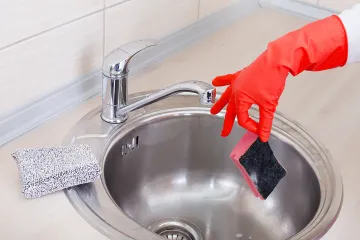
The consensus among hygiene experts, therefore, shifts away from relying on cleaning alone and moves toward proactive replacement. If you rely on a kitchen sponge, the recommended action is to clean it at least once every week. However, due to the limited effectiveness of sanitation, the best preventative measure may be to simply replace your sponge weekly. This is especially true when the sponge becomes physically worn, torn, or discolored, as physical damage provides even more crevices for bacteria to settle.
If you choose to clean the sponge between replacements, there are effective, specific methods to try, provided you verify the sponge does not contain any metal components before microwaving:
- Microwave the wet sponge on high power for one minute.
- Soak the sponge in 10% bleach solution for one minute.
- Soak the sponge in 70% ethanol for one minute.
- Run it through a complete dishwasher cycle on the hot setting.
Considering the cost of avoiding illness, the small investment in regular replacement is sensible. For instance, if a pack of two quality sponges costs \4.00, replacing them weekly still amounts to only about **\104 per year** [original analysis]. When weighed against the potential for foodborne illness—which can cause debilitating symptoms for days and, in rare cases, lead to long-term health issues like kidney problems or arthritis—this annual maintenance cost is minor insurance for kitchen safety.
# Contextual Germ Hotspots
While the kitchen sponge rightfully earns its reputation as a microbial powerhouse, it is not alone in surpassing the toilet in germ concentration. Many everyday items we touch constantly may harbor more pathogens than the toilet bowl.
For example, your mobile device, used frequently and often taken into various environments, was found in one study to be about 7 times dirtier than a toilet seat. Keyboards, especially those shared by multiple people, can harbor up to 200 times more bacteria than a toilet seat. Even the items used to prepare food can be worse; cutting boards have been shown to carry 200 times more fecal bacteria than a toilet seat, typically due to handling raw meat. A toothbrush, which is placed directly into the mouth, can average 200,000 bacteria per square inch.
This broader view highlights a key difference in risk profiles that is often overlooked. While the toilet bowl is linked to fecal contamination, and the sponge is linked to general foodborne pathogens like Salmonella, many of these other items are contaminated by simple hand-to-surface contact after touching various objects. When we fail to wash our hands properly, particularly after using the restroom or handling raw ingredients, we transfer those germs to our desks, our phones, and then back to our food surfaces. The true defense against illness from these varied sources remains consistent: frequent, effective handwashing, which is the primary barrier against illnesses like diarrhea, the common cold, and Hepatitis A.
Related Questions
#Citations
Kitchen Hygiene: Let's Talk About That Sponge!
Your Sponge May Be Dirtier Than Your Toilet
10 everyday items that could be dirtier than your toilet bowl