Why do cutting boards often become permanent homes for bacteria in a kitchen?
Answer
Knife cuts create deep grooves that are difficult to sanitize.
Cutting boards are subject to repeated use of knives, which inevitably slice into the surface and create grooves or scratches. These physical imperfections serve as protected havens for organic matter and bacteria, making it extremely difficult to remove all residues even with standard washing. If these boards are not scrubbed thoroughly with hot, soapy water after every use, the grooves become permanent sites for microbial colonization, potentially leading to cross-contamination if the board is reused without proper sanitization.
Related Questions
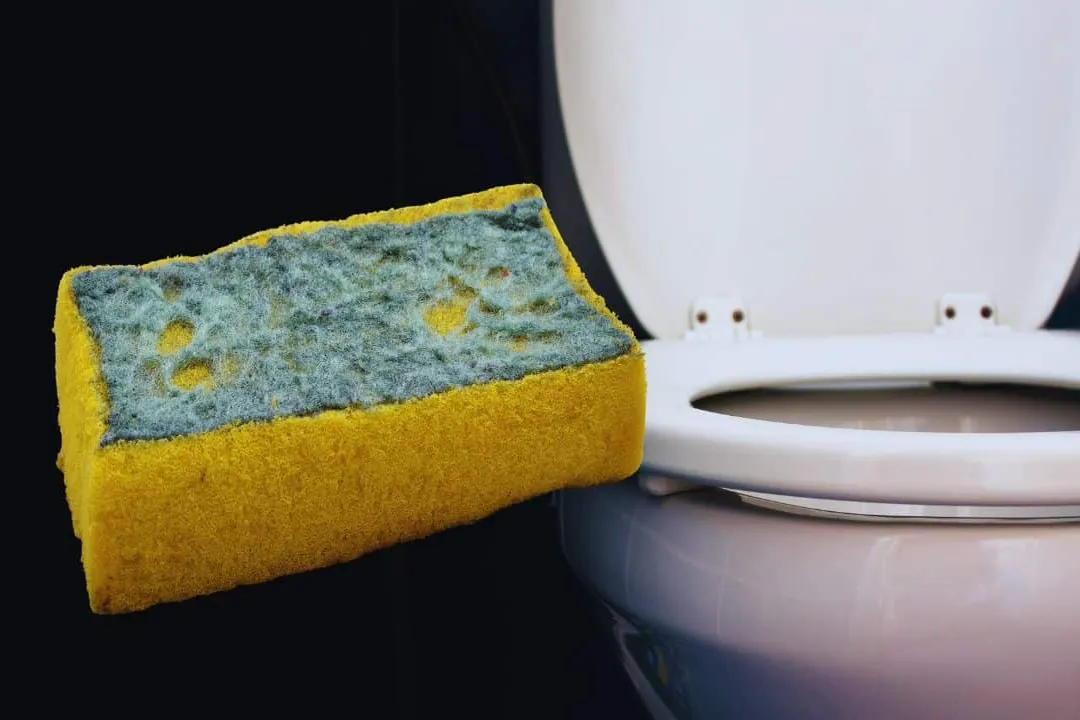
Why does a kitchen sponge often harbor a higher density of bacteria than a toilet seat?What is the primary role of Moraxella osloensis in a kitchen environment?Why are common sanitation methods like microwaving or boiling ineffective at creating a sterile sponge?How often is it recommended to replace a kitchen sponge to maintain effective hygiene?What is the most effective way to store a kitchen sponge to inhibit bacterial growth?Why do cutting boards often become permanent homes for bacteria in a kitchen?What distinguishes the danger level of bacteria on a sponge from those in a toilet bowl?What physical property of a sponge is responsible for its high density of bacteria?Why are dish towels considered high-risk items in a kitchen setting?What represents the most dangerous scenario for bacterial transmission in a kitchen?