What physical property of a sponge is responsible for its high density of bacteria?
Answer
Its porous cellular structure provides a sanctuary that protects microorganisms.
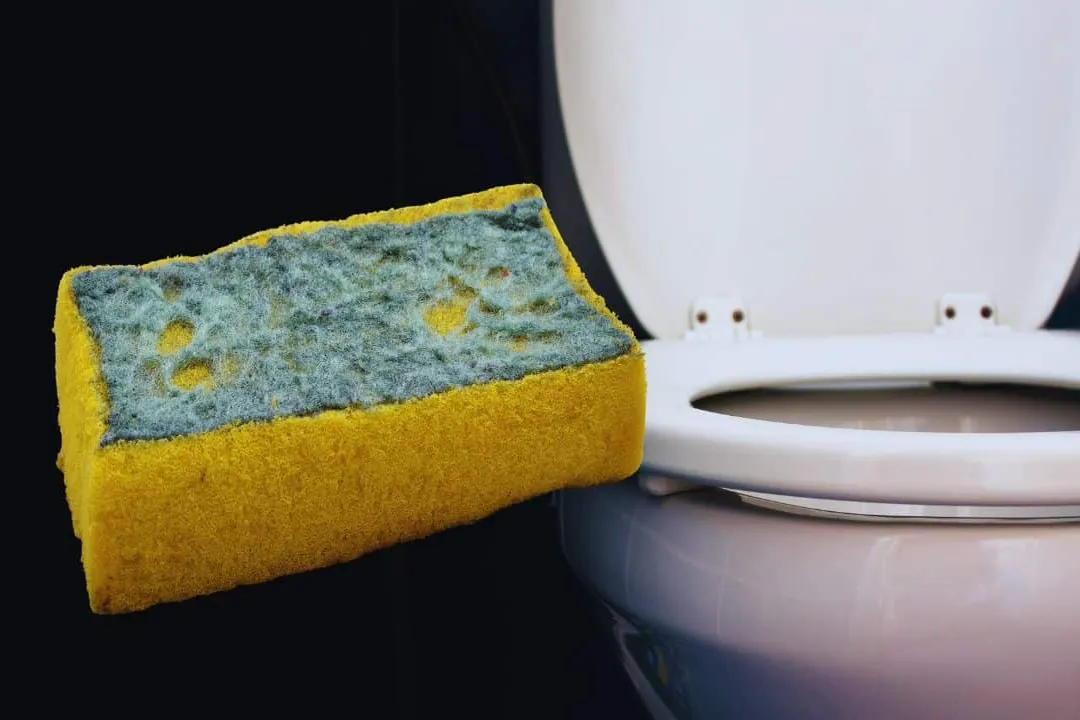
The effectiveness of a sponge as a cleaning tool is the exact reason it is a bacterial hotbed. The cellular structure is full of tiny pores. When a sponge is used, these pores trap moisture and food particles. This environment protects the microorganisms from being physically removed during rinsing or wiping. Because the bacteria are tucked away inside these pores, they are shielded from mechanical removal, allowing them to remain in the sponge even after it appears clean.
Related Questions
Why does a kitchen sponge often harbor a higher density of bacteria than a toilet seat?What is the primary role of Moraxella osloensis in a kitchen environment?Why are common sanitation methods like microwaving or boiling ineffective at creating a sterile sponge?How often is it recommended to replace a kitchen sponge to maintain effective hygiene?What is the most effective way to store a kitchen sponge to inhibit bacterial growth?Why do cutting boards often become permanent homes for bacteria in a kitchen?What distinguishes the danger level of bacteria on a sponge from those in a toilet bowl?What physical property of a sponge is responsible for its high density of bacteria?Why are dish towels considered high-risk items in a kitchen setting?What represents the most dangerous scenario for bacterial transmission in a kitchen?