How often is it recommended to replace a kitchen sponge to maintain effective hygiene?
Answer
Every one to two weeks
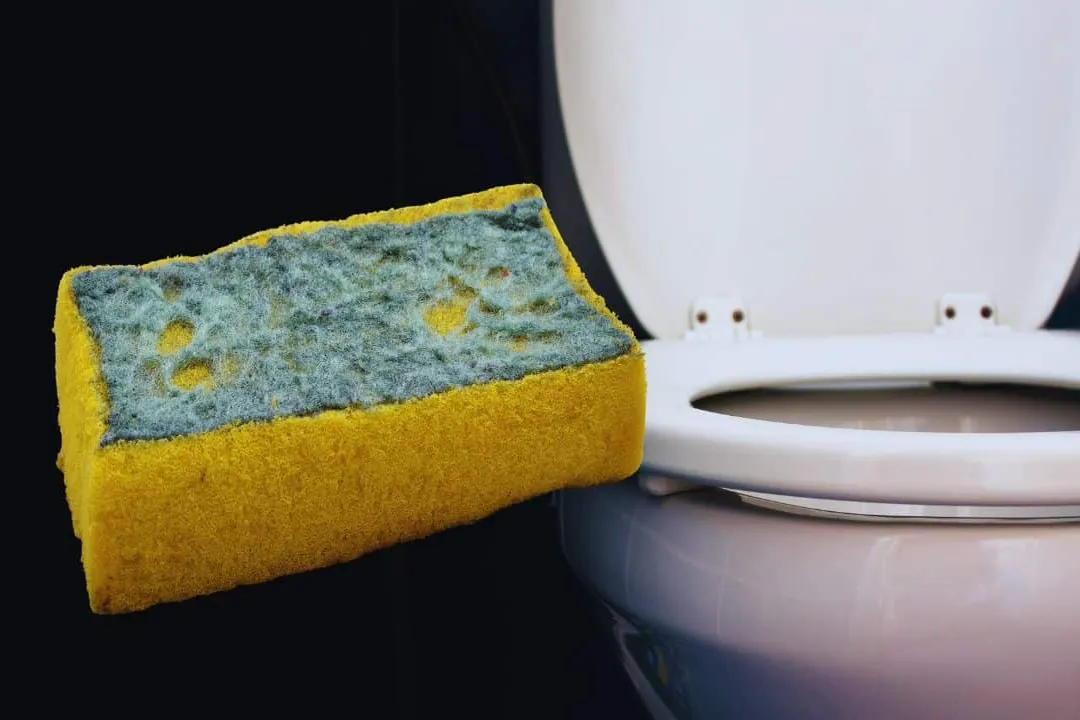
To effectively mitigate the accumulation of microbial colonies, it is best to treat a sponge as a temporary tool rather than a permanent fixture. Replacing a sponge every one to two weeks ensures that the buildup of organic matter and bacterial growth does not reach a dangerous threshold. Frequent rotation is a superior strategy compared to attempting to sanitize a heavily soiled sponge, as it limits the lifecycle of the bacterial reservoir and reduces the risk of long-term contamination on kitchen surfaces.
Related Questions
Why does a kitchen sponge often harbor a higher density of bacteria than a toilet seat?What is the primary role of Moraxella osloensis in a kitchen environment?Why are common sanitation methods like microwaving or boiling ineffective at creating a sterile sponge?How often is it recommended to replace a kitchen sponge to maintain effective hygiene?What is the most effective way to store a kitchen sponge to inhibit bacterial growth?Why do cutting boards often become permanent homes for bacteria in a kitchen?What distinguishes the danger level of bacteria on a sponge from those in a toilet bowl?What physical property of a sponge is responsible for its high density of bacteria?Why are dish towels considered high-risk items in a kitchen setting?What represents the most dangerous scenario for bacterial transmission in a kitchen?