What represents the most dangerous scenario for bacterial transmission in a kitchen?
Answer
Cross-contamination of harmful pathogens from raw food items onto surfaces.
While most household bacteria are not harmful, the danger arises when pathogenic organisms are introduced to the kitchen. The most critical risk is not the mere existence of bacteria, but the process of cross-contamination, where harmful pathogens from sources like raw chicken or unwashed produce are transferred to sponges, towels, or countertops. Once these pathogens are present, they can survive and multiply, spreading infection risk throughout the kitchen. Maintaining hygiene is less about trying to sterilize every surface and more about preventing the transfer of these specific pathogens through consistent, sanitary practices.
Related Questions
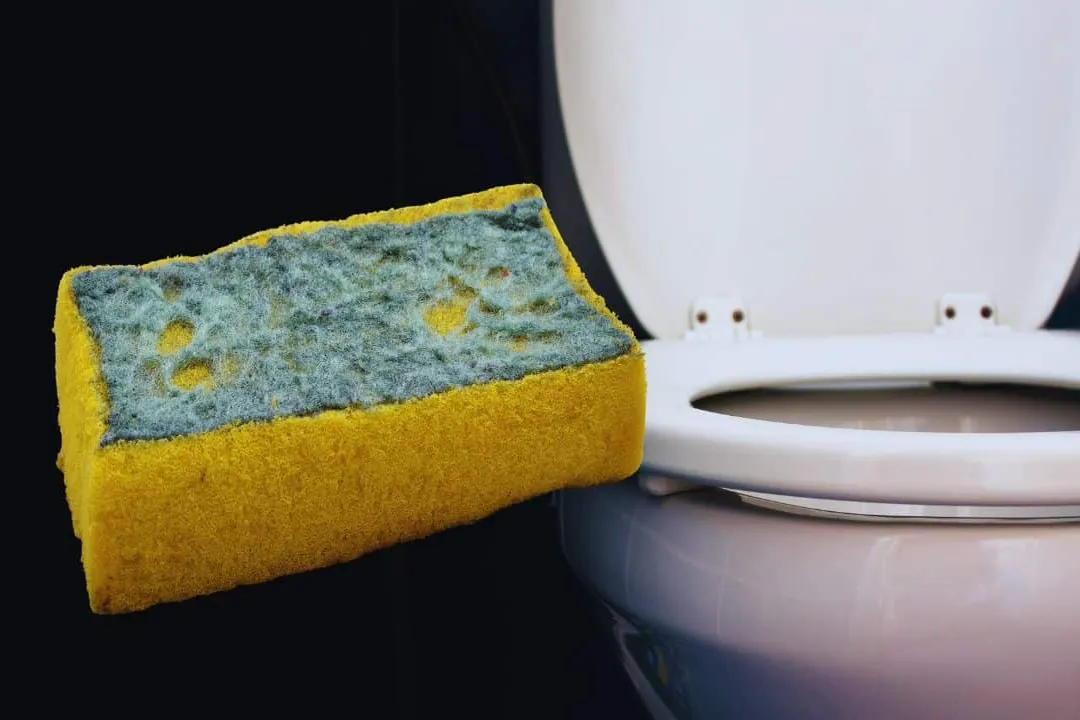
Why does a kitchen sponge often harbor a higher density of bacteria than a toilet seat?What is the primary role of Moraxella osloensis in a kitchen environment?Why are common sanitation methods like microwaving or boiling ineffective at creating a sterile sponge?How often is it recommended to replace a kitchen sponge to maintain effective hygiene?What is the most effective way to store a kitchen sponge to inhibit bacterial growth?Why do cutting boards often become permanent homes for bacteria in a kitchen?What distinguishes the danger level of bacteria on a sponge from those in a toilet bowl?What physical property of a sponge is responsible for its high density of bacteria?Why are dish towels considered high-risk items in a kitchen setting?What represents the most dangerous scenario for bacterial transmission in a kitchen?