Are mustard greens as healthy as spinach?

The decision between mustard greens and spinach often comes down to flavor preference, but their nutritional standpoints offer a compelling case for why both deserve a regular spot in your diet. Both greens rank highly among the healthiest leafy options available, appearing on lists curated by dietitians and nutrition experts alike. While spinach often steals the spotlight due to its mildness and versatility, mustard greens bring a sharp, peppery kick and a unique set of powerful compounds to the table. Understanding where they excel compared to each other helps in maximizing the nutrient density of your meals.
# Nutritional Comparison
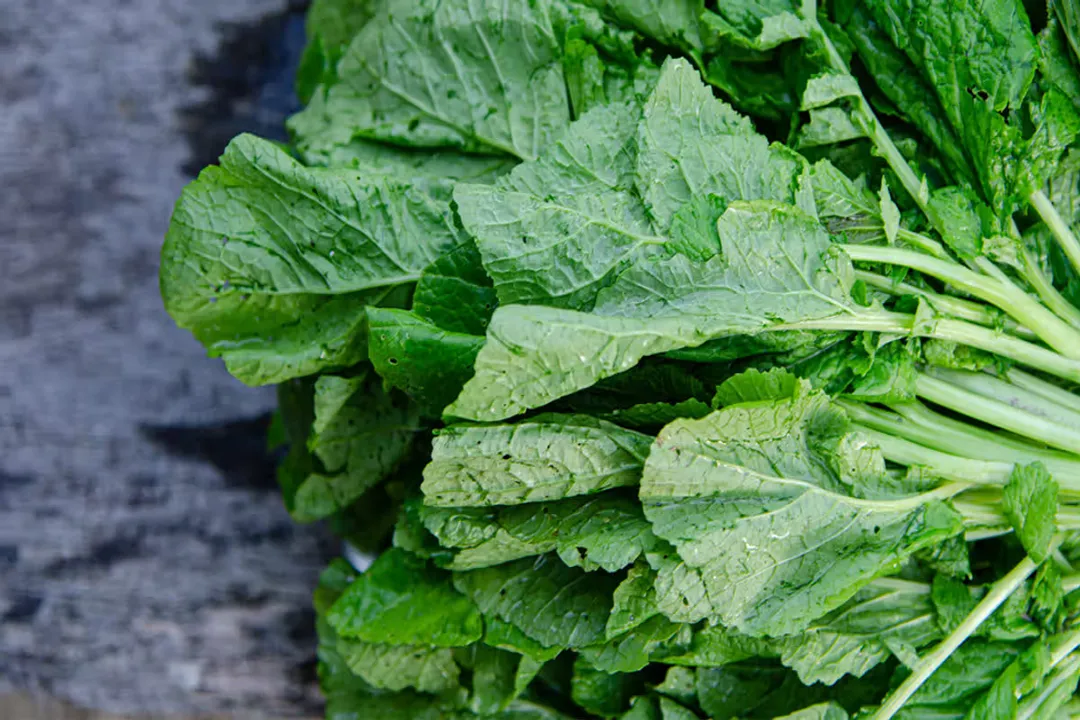
When looking strictly at macronutrients and basic micronutrients, the two greens occupy slightly different niches. Spinach is generally known for being very low in calories, often clocking in around 23 calories per 100 grams, with small amounts of protein, carbohydrates, fat, and sugar. Mustard greens are also low in calories but might present slightly different ratios, though both are primarily composed of water.
The real divergence appears when examining specific vitamins and minerals.
# Vitamins Present
Both vegetables are excellent sources of fat-soluble Vitamin A (often listed as beta-carotene), Vitamin C, and Vitamin K.
Spinach is frequently highlighted for its high content of folate (B9). However, when compared head-to-head, mustard greens often pull ahead in certain areas. Mustard greens show a marked advantage in providing Vitamin C and Vitamin K compared to spinach in direct comparisons. They are also powerhouses for Vitamin A, providing substantial amounts of this crucial nutrient for eye and skin health.
# Minerals Contrast
Minerals show a clearer separation. Spinach is typically the winner when it comes to iron and magnesium content. For individuals focused on boosting their intake of these specific minerals through greens, spinach is the more reliable choice.
Conversely, mustard greens tend to be richer in calcium and manganese than spinach. While spinach contains calcium, consuming adequate amounts of these greens might be necessary to make a significant contribution to daily calcium needs, especially considering the presence of oxalates which can sometimes inhibit mineral absorption.
This difference can be summarized in a quick snapshot of their primary strengths:
| Nutrient Focus | Spinach Advantage | Mustard Greens Advantage |
|---|---|---|
| Minerals | Iron, Magnesium | Calcium, Manganese |
| Vitamins | Folate | Vitamin C, Vitamin K |
# Specialized Compounds
Beyond the standard vitamin and mineral profile, mustard greens possess a distinct health advantage due to their sulfur-containing compounds, known as glucosinolates. These compounds are common in cruciferous vegetables like broccoli and cabbage.
When mustard greens are chopped or chewed, these glucosinolates are broken down into biologically active compounds, such as isothiocyanates. Research suggests these specific breakdown products have properties that may help prevent certain types of cancer. While spinach offers antioxidants and general anti-inflammatory benefits, it does not contain this specific class of potent, sulfur-based phytochemicals found abundantly in mustard greens.
If you are seeking the unique cancer-protective pathways associated with cruciferous vegetables, incorporating mustard greens is a simple way to achieve that goal, even when eating a large volume of spinach.

# Cooking and Preparation Effects
The way you prepare these greens significantly influences the nutrients you ultimately consume. Both can be eaten raw in salads, added to smoothies, or cooked, but the nutritional outcomes can vary.
Spinach is often prized for its mildness when raw, making it a staple in salads and green smoothies. However, cooking spinach can actually increase the bioavailability of certain nutrients like Vitamin A and calcium, though it leads to a significant loss of heat-sensitive vitamins like Vitamin C and folate.
Mustard greens, with their stronger, pungent flavor, are often better suited to cooking methods that mellow their heat, such as steaming or sautéing. Cooking mustard greens will certainly reduce their Vitamin C content, as this vitamin is quite sensitive to heat. Yet, the core benefits derived from their minerals and glucosinolates often remain intact, which is why cooked mustard greens still offer significant health advantages over less nutrient-dense foods.
# A Note on Preservation
For long-term storage, canned greens—including spinach and mustard greens—can be a convenient option. Canned vegetables retain a good percentage of their vitamin and mineral content, but consumers should be mindful of the added sodium often used as a preservative. If you rely on canned greens for convenience, always check the label and opt for no-salt-added versions whenever possible to maintain the health profile.
# Flavor Profiles and Kitchen Integration
One of the biggest practical differences between these two superfoods lies in the kitchen. Spinach has a mild, slightly sweet flavor profile that blends into nearly any dish without altering the taste significantly. It wilts down considerably, meaning you need a large volume to get a satisfying portion when cooked.
Mustard greens, on the other hand, bring a distinctive, peppery, and sometimes slightly bitter bite, reminiscent of horseradish or radish. This assertiveness means they perform differently in recipes. You might find that adding a handful of raw, finely chopped mustard greens to a standard spinach salad introduces an exciting textural and flavor contrast that keeps your palate engaged.
If you are new to mustard greens, a good starting approach is to blanch them briefly before adding them to heavier dishes like stews or sautés where their spiciness can be balanced by fats, acids (like a splash of vinegar), or sweetness (like caramelized onions). For an everyday consumer accustomed to the simple blandness of spinach, making this switch requires a slight adjustment in cooking technique, but it opens the door to cruciferous vegetable benefits. This flavor contrast is actually an asset; consuming a diverse range of flavors often correlates with a more varied overall nutrient intake, suggesting that alternating between the two rather than relying solely on one might provide the most well-rounded nutritional return.

# Bone Health Focus
Both greens contribute positively to bone health, primarily through their high Vitamin K content. Vitamin K is essential because it plays a role in regulating bone mineralization.
Given that mustard greens often contain a higher concentration of Vitamin K than spinach, a serving of mustard greens might be slightly more efficient at meeting your daily Vitamin K needs. For anyone concerned about bone density, ensuring consistent intake of these high-K greens, regardless of which one you choose, is a sensible dietary strategy.
# Daily Integration Insight
Considering the differences in nutrient density and flavor, an insightful way to think about integrating these greens is through volume versus impact. Spinach wins on sheer volume; you can easily eat multiple cups raw, maximizing intake of folate and general minerals like magnesium. Mustard greens win on impact per gram for specific nutrients like Vitamin K and C, and for delivering glucosinolates.
Therefore, a high-value strategy might involve using a large base of milder spinach in a smoothie or large salad for volume and folate, and then deliberately adding a smaller portion of stronger-tasting mustard greens or kale—another powerhouse green—to ensure the intake of unique phytochemicals like those sulfur compounds. This dual approach guarantees you aren't missing out on the distinct advantages of either category of green.

# Final Verdict on Healthiness
Declaring one definitively "healthier" than the other is challenging because they excel in different areas. Spinach offers superior iron and magnesium, while mustard greens offer superior Vitamin K and C, plus the unique cancer-fighting potential from glucosinolates.
Both greens are unequivocally healthy additions to any diet, listed among the best leafy options available. The best choice truly depends on the specific nutrient you are prioritizing that day or the flavor profile your palate desires. For versatility and high iron, reach for spinach. For a peppery punch and a boost of cruciferous-specific compounds, mustard greens are the clear winner.
Related Questions
#Citations
Health Benefits of Mustard Greens - WebMD
Mustard Greens vs Spinach: What is the difference? - Versus
The 5 Healthiest Greens for Your Salads - Nino Salvaggio
Canned spinach/mustard greens/collar greens healthy? : r/Fitness
14 Healthy Salad Greens Ranked From Best to Worst
What are favorite ways to eat mustard greens? - Facebook
Mustard Greens: Nutrition Facts and Health Benefits - Healthline
https://www.quora.com/Do-cooked-mustard-greens-hav...
11 Leafy Greens You Should Be Eating, According to Dietitians