Does velvet bean increase testosterone?
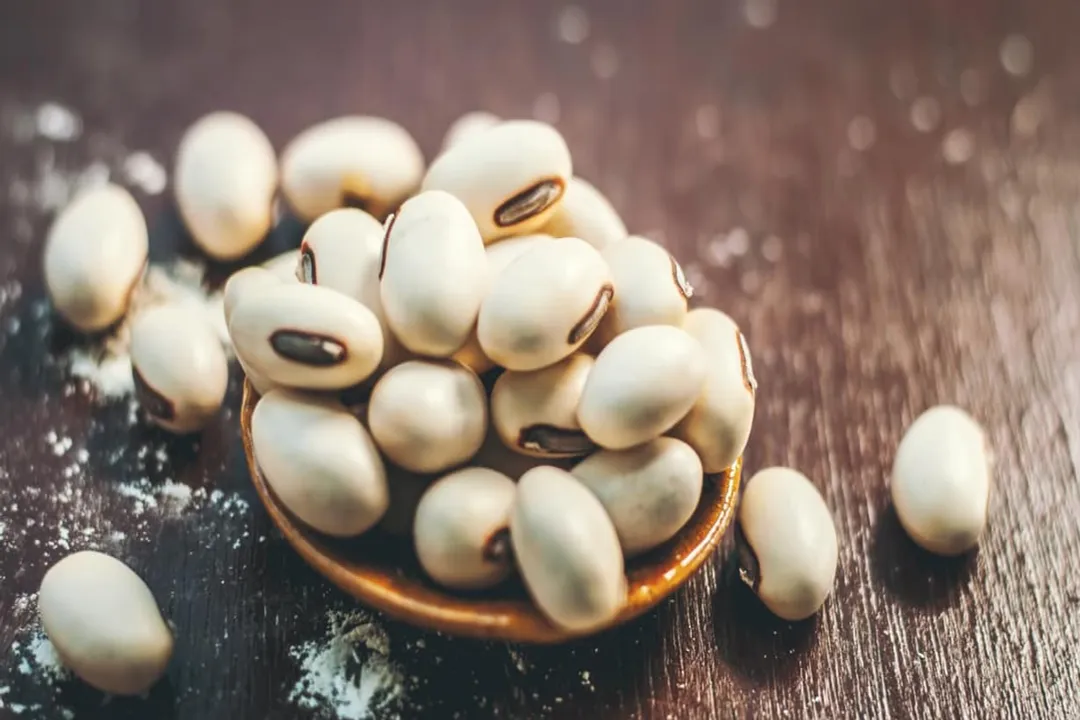
The velvet bean, known scientifically as Mucuna pruriens, has long held a place in traditional Ayurvedic medicine and is now a popular subject in the modern supplement world, often praised for its wide array of purported benefits. When discussing male vitality and fitness, the conversation frequently turns to one key hormone: testosterone. People naturally wonder if this widely recognized herb can influence their circulating levels of this crucial steroid hormone. To properly assess this, we must look closely at what the current available information suggests about Mucuna pruriens and its specific interaction with the endocrine system, rather than relying solely on anecdotal evidence.
# Plant Identity
The velvet bean is botanically identified as Mucuna pruriens. It is a tropical legume native to Africa and southern Asia, recognizable by its distinctive, fuzzy seed pods that give it the "velvet" moniker. Historically, various parts of the plant have been employed in traditional systems of medicine, sometimes addressing issues related to fertility and neurological function.
The interest in Mucuna pruriens in contemporary circles stems primarily from its high concentration of a specific amino acid: L-DOPA (levodopa). L-DOPA is the direct precursor to the neurotransmitter dopamine. This neurochemical relationship is the primary mechanism through which the bean is understood to exert many of its effects, impacting mood, motor function, and potentially other systemic processes.
# Hormonal Connection
When considering whether the velvet bean increases testosterone, it is essential to differentiate between direct stimulation and indirect influence resulting from its known pharmacological activity. While some herbal dietary supplements are studied for their direct impact on circulating testosterone, the evidence regarding Mucuna pruriens often centers on its L-DOPA content.
Several studies focusing on herbal extracts and testosterone have included Mucuna pruriens in broader reviews of supplements that may influence male hormonal profiles. One line of inquiry suggests that L-DOPA, by boosting dopamine, might influence the hypothalamic-pituitary-gonadal (HPG) axis, which regulates testosterone production. Dopamine itself can inhibit the release of gonadotropin-releasing hormone (GnRH), a key signal in the cascade that ultimately leads to testosterone synthesis in the testes. Therefore, an increase in dopamine from L-DOPA supplementation could theoretically exert a suppressive effect on testosterone, or, conversely, in specific contexts of deficiency or stress, it might re-balance the system.
Research cited in a study concerning testosterone has noted that Mucuna pruriens extracts were investigated to see if they could affect circulating testosterone. The actual effect reported in clinical settings or systematic reviews needs careful examination to move past general claims. For instance, research involving the administration of M. pruriens seeds in male rats suggested a potential protective effect against oxidative stress induced by certain toxins, which in turn preserved testicular function and reduced the negative impact on testosterone and sperm quality. This highlights a protective or normalizing effect rather than a direct boosting effect in healthy individuals.
For general readers interested in performance, it is worth noting that while testosterone is vital for muscle mass and libido, the mechanism of Mucuna often centers on the stress response and mood regulation via dopamine. An athlete, for example, might experience secondary benefits from improved focus or reduced perceived exertion, which are linked to dopamine, but this doesn't automatically equate to a quantifiable rise in free or total testosterone.
# Clinical Evidence Synthesis
To truly evaluate the testosterone question, we must look at controlled human data, though it can sometimes be sparse or mixed across different studies examining various endpoints. A key study reviewing herbal supplements identified Mucuna pruriens as an herb with some potential influence on testosterone levels, though the mechanism might not be direct stimulation. However, abstracts detailing clinical investigations often focus on specific populations or conditions. For example, one area of research examined whether administration of M. pruriens could counteract the negative hormonal consequences in subjects exposed to stressful conditions or specific environmental factors.
When looking at a general population, particularly men who are not clinically deficient in testosterone, the results from studies focusing on L-DOPA's primary effects—dopaminergic activity—suggest that significant, sustained increases in testosterone beyond the normal physiological range are not the primary or consistent finding reported in major reviews of herbal endocrinological impacts. Where positive associations have been seen, they often relate to mitigating declines caused by underlying issues, such as stress or toxicity, rather than acting as a primary anabolic driver.
It is informative to compare this profile with that of conventional testosterone therapy, where the goal is a direct, measurable elevation for managing diagnosed hypogonadism. Testosterone replacement therapy aims to bring levels into a normal range to alleviate symptoms like low energy and decreased libido. Herbal supplements like velvet bean operate on a different principle, modulating neurotransmitters and potentially offering supportive benefits against stress-induced hormonal disruption, which is a more subtle form of intervention.
# Dosage Consistency Insight
An important consideration often overlooked when discussing botanicals like velvet bean is the natural variability between plant sources. Unlike synthetic pharmaceutical compounds, the concentration of L-DOPA in a Mucuna pruriens extract can fluctuate significantly based on where the beans were grown, the harvest time, and the specific extraction method used by the manufacturer. If a study shows a positive result, replicating that outcome can be challenging if the consumer is using a product with a lower active compound percentage. This variability means that users pursuing a specific hormonal outcome must prioritize supplements that utilize standardized extracts, often labeled as containing a specific percentage of L-DOPA, to achieve anything close to consistent systemic exposure.
# Performance and Athletic Use
Athletes and fitness enthusiasts are a large group interested in optimizing hormones, often seeking performance advantages. Mucuna pruriens is sometimes included in pre-workout or recovery stacks. Its reputation here is largely tied to its ability to increase dopamine, which can translate into improvements in focus, motivation, and possibly reduced recovery time, especially in high-stress training environments.
One perspective suggests that for athletes experiencing high levels of training-induced stress, which can suppress normal hormonal function, the balancing effect of Mucuna—by supporting neurotransmitter balance—might indirectly help maintain the body's natural hormonal equilibrium. This is less about raising testosterone above baseline and more about preventing a dip below baseline caused by overtraining or psychological stress.
# Safety and Contextual Use
Any discussion of altering hormone levels, even indirectly, requires an examination of safety. Velvet bean, due to its potent L-DOPA content, is not entirely without side effects or contraindications. Potential side effects can include nausea, bloating, and sleep disturbances, particularly when taken in high doses.
Furthermore, since L-DOPA is a precursor to dopamine, there is a legitimate concern about its interaction with prescription medications, especially those used for Parkinson's disease or psychiatric conditions that manipulate dopamine levels. Anyone considering Mucuna pruriens for any purpose, including perceived testosterone support, should first consult with a healthcare provider, especially if they are managing a chronic condition or taking other medications.
# Analyzing Supplement Stacks
When evaluating a potential testosterone booster, it is rare for any single herb to be the sole factor responsible for significant change; often, they are used in combination, or "stacks". If an individual notices an improvement in libido or energy after starting Mucuna pruriens, it is valuable to consider what else they have changed in their routine. Have they improved sleep? Are they managing stress better? Are they consuming adequate zinc and Vitamin D, which are known modulators of testosterone?
For instance, imagine a hypothetical scenario where an individual experiencing low libido attributes improvement solely to velvet bean. A more thorough look might reveal that their perceived well-being improved because the L-DOPA reduced their daily anxiety, allowing for better sleep quality. Better sleep, independent of the bean itself, is a well-established factor in optimizing natural testosterone production. Recognizing these interconnected variables prevents overattributing the effect to the single supplement being investigated.
# Summary of Findings
The direct, clear-cut scientific consensus stating that supplementing with Mucuna pruriens reliably increases testosterone levels in healthy men is not strongly supported by the provided literature, especially when compared to the direct action of replacement therapy. The primary chemical activity involves L-DOPA and dopamine modulation.
What the evidence does point toward is a potential for support and protection.
- Stress Mitigation: It may help protect the endocrine system from the negative impacts of oxidative stress or high stress, which can otherwise suppress testosterone production.
- Indirect Balance: By influencing dopamine, it might help re-regulate the HPG axis if it has been disturbed by other factors, though dopamine itself can also signal inhibition of GnRH release.
The video source, while not providing direct textual data, suggests that consumer interest remains high regarding these natural products and their perceived impact on male hormones, reflecting the ongoing quest for optimization outside of conventional medical routes. Ultimately, while Mucuna pruriens offers genuine benefits rooted in its neurochemical profile, consumers should view it as a supplement that supports overall hormonal health by managing related factors, rather than a direct testosterone booster in the mold of DHEA or similar precursors.

# Practical Application Tips
If an individual decides to incorporate standardized Mucuna pruriens extract into their regimen based on its known properties, the timing might be more important than previously assumed, especially given its dopamine influence. Since dopamine affects wakefulness and motivation, taking a high dose too late in the day could interfere with sleep, which, as noted, is counterproductive to healthy testosterone synthesis. A sensible approach would be to consume the supplement earlier in the day, perhaps in the morning or early afternoon, to capitalize on its potential focus-enhancing effects without compromising the crucial nighttime window for hormonal repair and release. This contrasts with many post-workout supplements taken in the evening; here, the timing should favor alertness and daytime function.
Furthermore, when comparing herbal interventions, researchers often look at the type of testosterone affected. While total testosterone numbers are important, the biologically active portion is free testosterone. The available summaries do not clearly delineate if Mucuna specifically impacts binding proteins like Sex Hormone-Binding Globulin (SHBG), which would determine the final free T level, reinforcing the need for personalized monitoring if hormonal changes are the primary goal. Without this specific data, any perceived benefit is likely a combination of improved mood, reduced stress, and optimization of other foundational health markers.
#Videos
Boost Testosterone With Velvet Beans - YouTube
Related Questions
#Citations
Boost Testosterone With Velvet Beans - YouTube
The Magic Velvet Bean of Mucuna pruriens - PMC - NIH
Mucuna Pruriens – More Testosterone and Fertility【HSN Blog】
The Unique Benefits of Mucuna Pruriens for Athletes - grapple science
Effect of Mucuna pruriens (Linn.) on Sexual Behavior and Sperm ...
Efficacy of Mucuna pruriens (L.) DC. in treating diabetes, Parkinson's ...
Mucuna Pruriens: 5 'Velvet Bean' Benefits for Disease & Mood
Increasing Circulating Testosterone: Impact of Herbal Dietary Sup
How Testosterone Therapy Helped A Male Client