Who should not eat prickly pear?
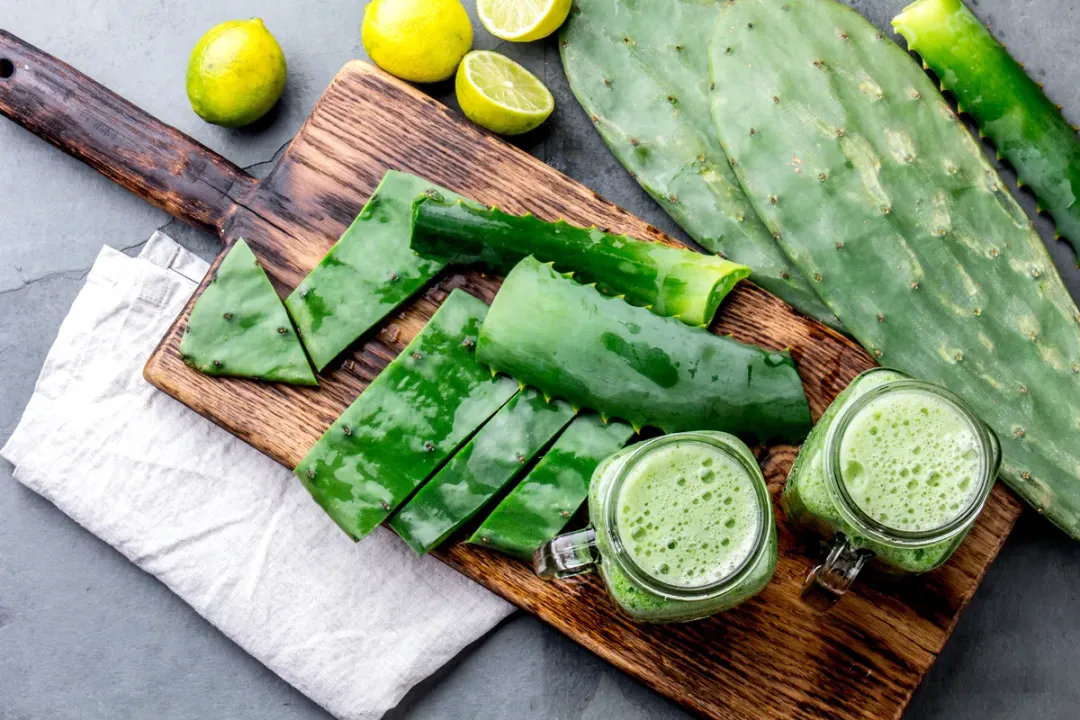
When considering incorporating any plant, even one as culturally significant and nutritionally rich as prickly pear cactus, into a regular diet or supplement routine, it is essential to pause and consider who should exercise the most caution or abstain entirely. Prickly pear, known by names like nopal or Barbary fig, is generally a safe and highly nutritious food source when prepared correctly. [3][2] However, its powerful properties—particularly its potential to affect blood sugar—mean certain individuals must approach it with careful consideration, or avoid it altogether. [2]
The key distinction to make upfront is between eating the plant as a traditional food item (the fruit or tunas, and the pads or cladodes) and taking concentrated supplemental forms (capsules or extracts). [3][1] While food consumption seems relatively benign for most, the use of supplements introduces specific medical interaction risks. [2]
# Physical Hazards
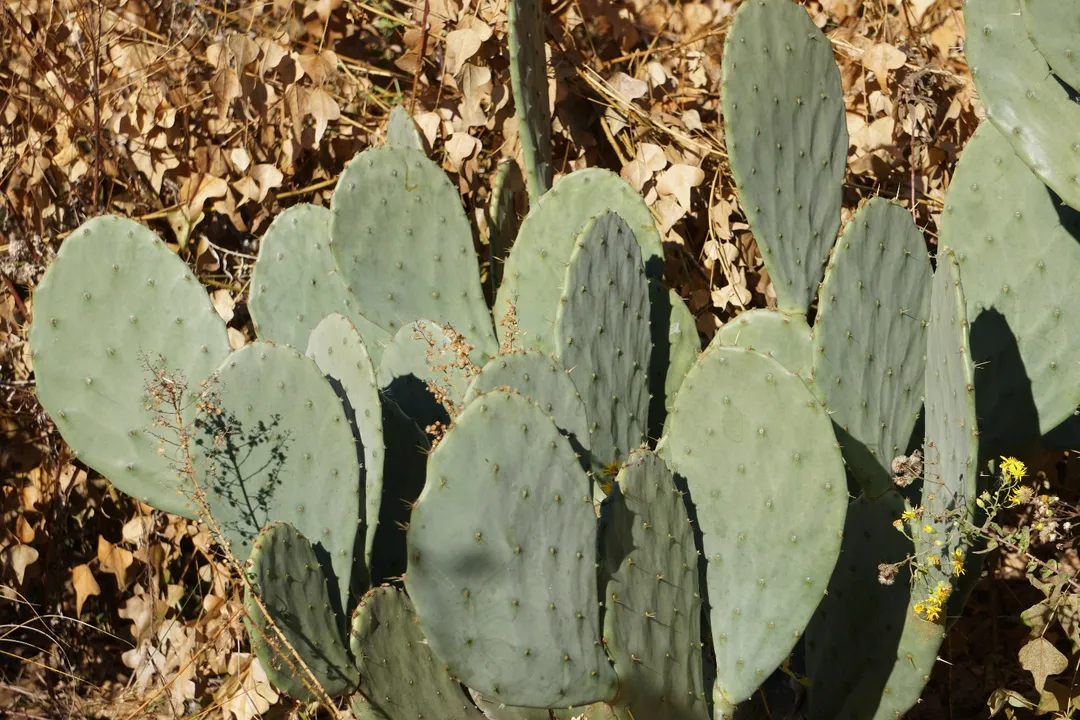
Before delving into internal health concerns, everyone must contend with the physical reality of the cactus itself: the glochids. [2]
These are not the large, obvious spines but rather tiny, hair-like, barbed thorns that detach easily and can lodge painfully in the skin or delicate membranes, such as those in the throat or digestive tract. [2] Even varieties advertised as "spineless" still possess these microscopic irritants. [2] This risk applies universally, whether consuming the fruit or the pads, and mandates meticulous preparation. [2] If you are new to consuming prickly pear, a failure to completely remove these glochids—perhaps by rinsing before dethorning, or failing to burn/scrape all areas thoroughly—is a guaranteed path to discomfort, irrespective of your underlying health status. [2]
# Blood Sugar Management
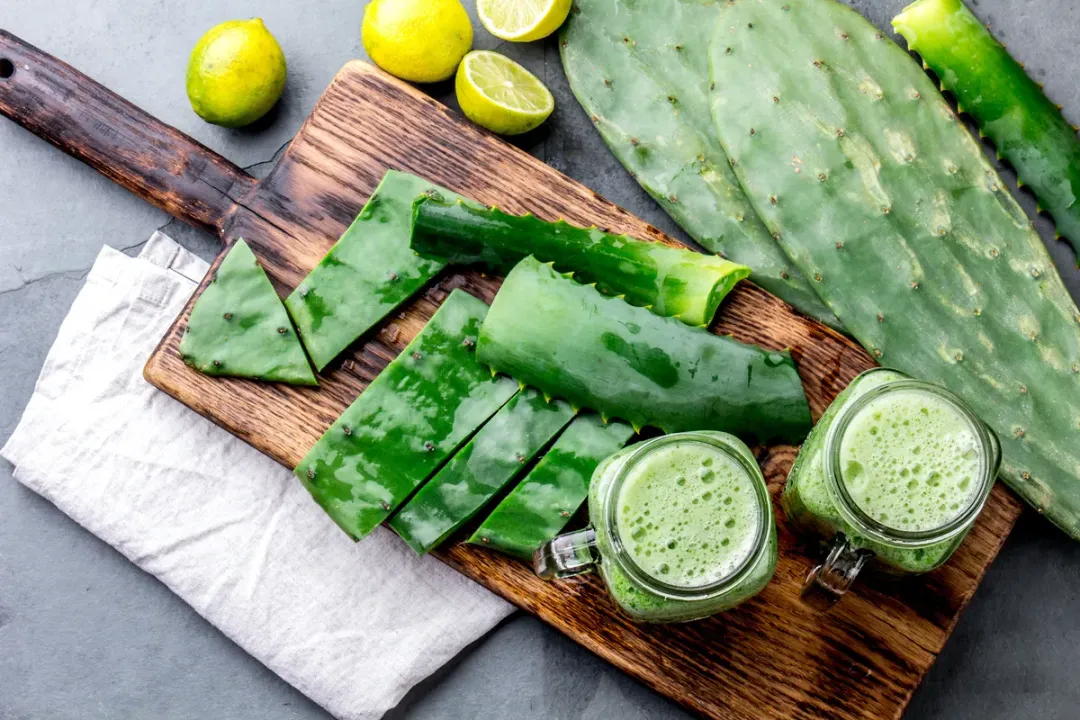
For individuals managing blood glucose, prickly pear commands the most attention, primarily when used in supplemental doses rather than as a standard food item.
# Diabetes Medication Interaction
Prickly pear cactus, particularly in supplement form or when consuming the cladodes, has shown potential to lower blood sugar levels. [2][3] While this effect might sound beneficial for those with diabetes, it becomes a significant liability when combined with prescribed antidiabetes drugs. [2] Taking prickly pear alongside medications designed to lower blood sugar can result in blood sugar dropping too low, leading to a potentially dangerous hypoglycemic event. [2]
It is crucial to recognize that evidence points toward the cladodes (leaves) demonstrating an acute, temporary hypoglycemic effect in people with type 2 diabetes, while the fruit itself may not carry the same potency in this regard. [2] This variance means that even if someone eats the fruit safely, switching to a cladode preparation or a commercial supplement could introduce the interaction risk they were previously avoiding. [2]
Because diabetes is a serious condition, anyone taking medication for it should never begin prickly pear supplements without explicit clearance and monitoring from their physician. [3] Furthermore, even if you rely on the plant as a traditional remedy, you should not depend on it to regulate your high blood sugar levels independently. [2]
# The Supplement Variability Problem
A major concern for those using prickly pear for any condition related to metabolism is the inconsistency of commercial products. The United States Food and Drug Administration (FDA) regulates dietary supplements differently than conventional drugs; manufacturers are not required to prove safety or efficacy before marketing their products. [3] This results in a wide variation in the quality and concentration of active ingredients from one brand to the next. [3]
If one person finds benefit, another might take a weaker product with no effect, or a much stronger product that causes unwanted side effects or dangerously amplifies the effect of their prescription drugs. [2][3] This lack of standardization makes it inherently difficult to predict outcomes for those with chronic conditions like diabetes.
To navigate this variability, if you have fluctuating blood sugar, treat prickly pear supplements as a highly variable medication. Always check product labels for species information and aim for batch consistency, though the ultimate safety check must remain with your healthcare provider. If you are eating the raw cladodes, be aware that their effectiveness changes throughout the day, with acidity—and perhaps blood sugar impact—being lowest mid-morning to mid-afternoon. [2]

# Surgical Timing
The influence prickly pear may have on blood sugar control extends beyond daily management; it poses a complication for scheduled medical procedures. [2] Since the plant can alter glucose levels, it may interfere with the delicate process of maintaining stable blood sugar before, during, and after surgery. [2][3] For this reason, anyone facing an operation must inform their medical team about their prickly pear intake and plan to stop consuming it at least two weeks prior to the scheduled procedure. [2][3] This washout period is necessary to ensure blood sugar levels are predictable for the surgical team to manage effectively.
# Special Life Stages
For some populations, the absence of comprehensive safety data is the reason to avoid concentrated forms of the plant.
# Pregnancy and Breastfeeding
There is simply not enough reliable information available to confirm whether prickly pear supplements are safe for individuals who are pregnant or breastfeeding. [2][3] When knowledge gaps this significant exist regarding substances that could potentially affect a developing fetus or an infant via breast milk, the consensus leans toward avoidance of supplements. [2] Sticking to the amounts that are traditionally consumed as food—if that is already part of the established diet—is the safest boundary to observe during these times. [2][3]
# Children
Similar to pregnancy, the safety profile for children using prickly pear in supplemental form is not well-established. [2] Unless specifically advised by a pediatrician who is aware of the child’s overall health status, supplements should be avoided. [2]

# Digestive Sensitivity
Even for healthy individuals, consuming prickly pear—especially in large amounts or in supplement form—can trigger gastrointestinal distress. [2][3] People who are generally sensitive to high-fiber foods or certain fruits might experience these symptoms more readily.
Reported minor side effects include:
Anecdotal reports from foragers suggest that eating too much, even of the fruit, can result in significant diarrhea. [5] Furthermore, if the fruit is consumed when already overripe, it may lead to unappealing results or potential illness, as one user discovered after making jam from slightly compromised fruit. [5]
This inherent potential for digestive upset suggests another crucial consideration for those with pre-existing irritable bowel issues or chronic constipation/diarrhea: introduce prickly pear, particularly the fibrous cladodes, very gradually. [1]
Consider this a general rule for introducing new, high-fiber plant materials: if you are trying prickly pear cladodes for the first time, start with less than the recommended amount—perhaps half a serving—for a week. Monitor your body’s reaction to the fiber content before increasing to a full portion. This preemptive slow introduction can help mitigate the risk of sudden gas, bloating, or diarrhea, even if you are generally healthy. [2][5]
# When Preparation Fails
It is worth reiterating a point about physical danger that can overlap with health risk. If you have any condition that causes chronic irritation or inflammation in the digestive tract (like severe gastritis or ulcers), the risk associated with improperly cleaned cactus material is amplified. [3] A single, missed glochid stuck in the lining of an already sensitive esophagus or stomach lining could cause far more trouble than it would for someone with perfectly healthy mucosa. While the plant is sometimes touted as a remedy for ulcers, introducing uncleaned material is counterproductive. [3]
In summary, the decision to consume prickly pear—especially in concentrated doses—is an informed one that requires checking against current medications, upcoming procedures, and life stage. While the plant is a celebrated part of many diets, those with diabetes under treatment, individuals preparing for surgery, and women who are pregnant or breastfeeding should generally steer clear of supplements, prioritizing conversation with a doctor over self-treatment. [2][3] For everyone else, the primary rule remains: ensure every single thorn is gone before it ever reaches your mouth. [2]
Related Questions
#Citations
Prickly Pear Cactus - Uses, Side Effects, and More
Eating Cactus: Prickly Pear for Food
Someone who knows about prickly pears: are these okay ...
Prickly Pear and Diabetes - [email protected]
Does prickly pear cactus have health benefits?
Prickly Pear: Health Benefits, Nutrition & How to Eat (w