Which is healthier, red onion or garlic?
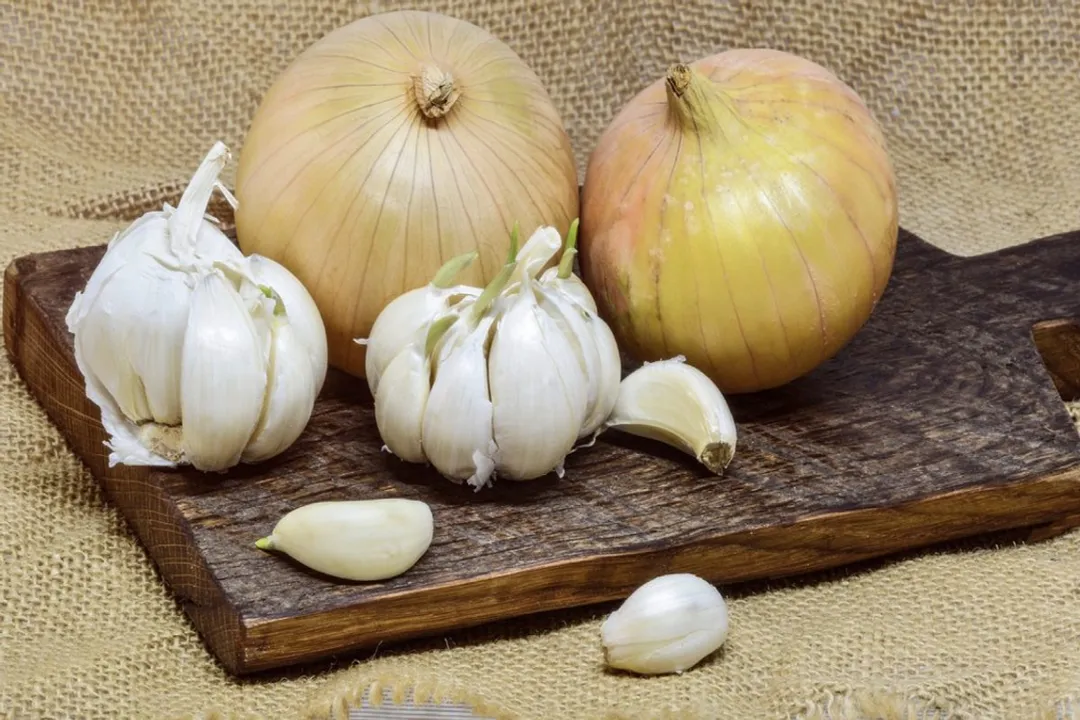
Both garlic and onions, particularly the red variety, are foundational ingredients in kitchens worldwide, lending deep, aromatic flavor to nearly every savory dish. When the conversation turns to health, these humble members of the Allium family are often celebrated for their potent properties, leading many to wonder which one provides the superior nutritional punch. Determining a clear "healthier" choice isn't as straightforward as looking at a single nutrient panel; instead, it involves appreciating the distinct chemical superpowers each vegetable brings to the table.
# Compounds Revealed
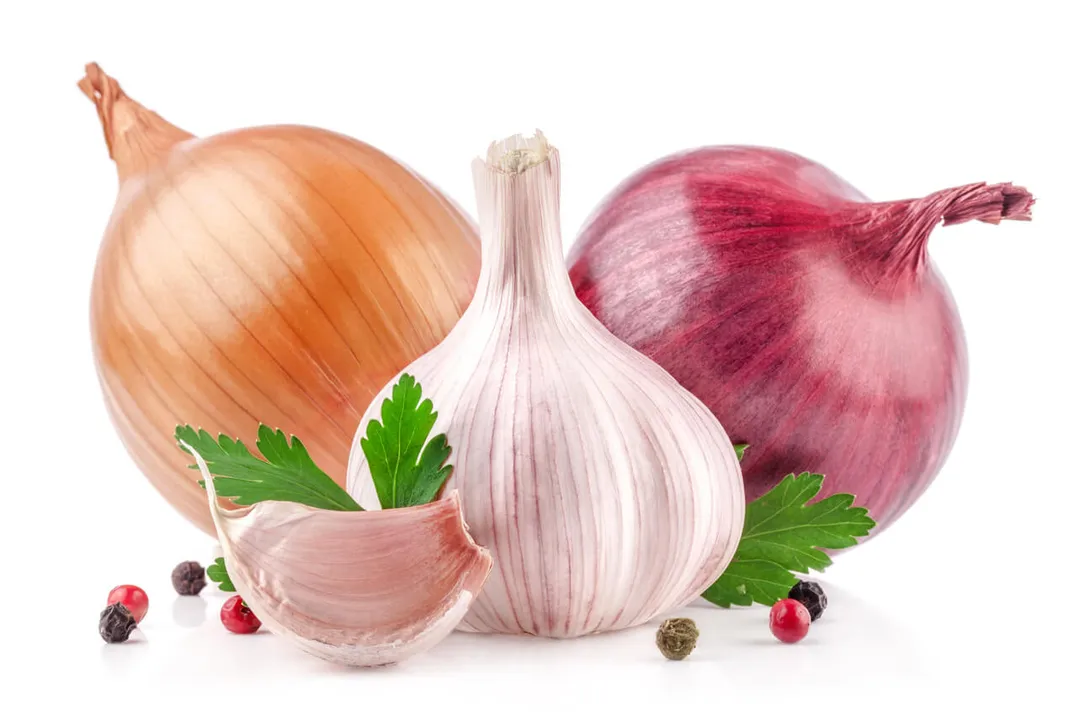
The primary health benefits associated with both garlic and onions stem from their organosulfur compounds. These are the chemicals responsible for their sharp taste and powerful effects on human health. However, the specific compounds they emphasize are different, leading to varying biological outcomes.
Garlic is famed for allicin, a compound that forms when the garlic clove is crushed, chopped, or chewed. This substance is frequently linked to cardiovascular benefits and potential anti-clotting properties in the blood.
Onions, on the other hand, are celebrated for their high concentration of quercetin. Quercetin is a flavonoid, a type of antioxidant that helps combat damaging free radicals in the body. Red onions, specifically, tend to boast higher levels of these beneficial antioxidants compared to their white or yellow counterparts.
# Allicin Power

For those seeking the most direct cardiovascular benefits, garlic often takes the lead due to the presence and activity of allicin. When garlic is raw, the enzyme alliinase converts alliin into allicin. Studies suggest that consuming raw garlic can help maintain healthy blood flow, and the concentration of these beneficial compounds is higher when garlic is consumed uncooked.
The intensity of garlic's impact is often dose-dependent. While eating a crushed clove offers a significant dose of active sulfur compounds, you usually don't eat garlic in the same volume as you might eat an onion. It packs a powerful concentration into a small serving size, making it an almost medicinal addition to a meal.

# Quercetin King
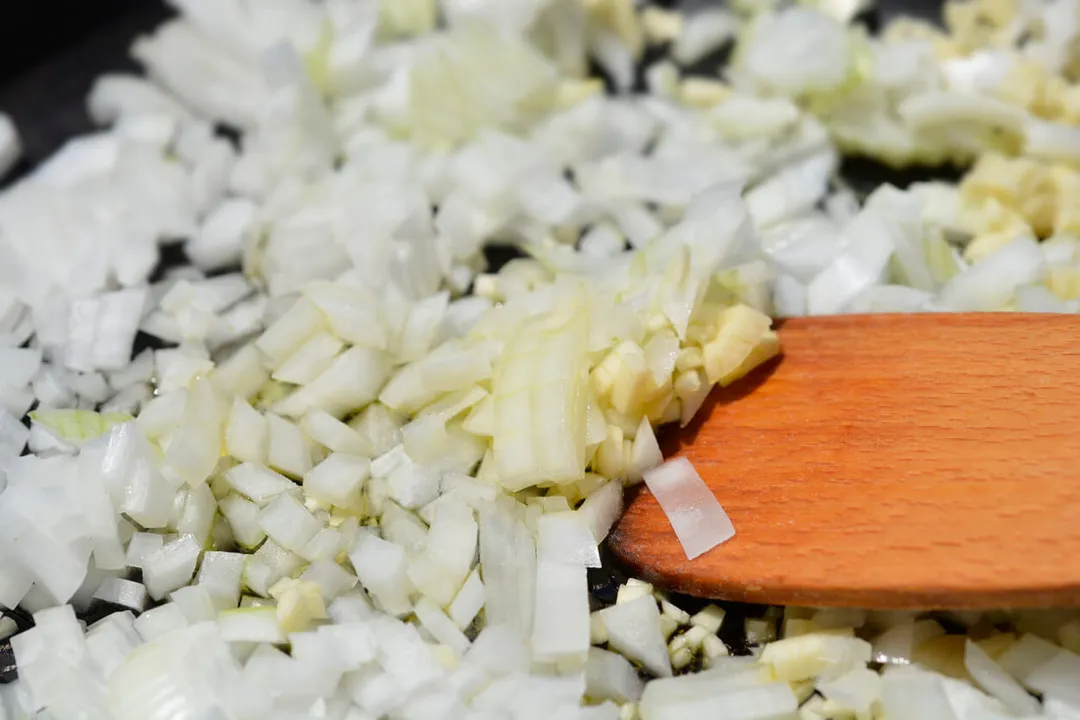
While garlic focuses on allicin, onions supply an impressive array of general micronutrients alongside their star antioxidant, quercetin. Onions are a good source of potassium, Vitamin C, and various B vitamins. These nutrients support everything from fluid balance to immune function.
Quercetin is particularly concentrated in the outer rings of the onion bulb. Because people often consume onions in much larger quantities—in salads, as sandwich toppings, or cooked down into a base for sauces—they contribute a substantial, steady source of antioxidants to the diet. If you are looking for a broader spectrum of essential vitamins alongside antioxidant activity, the onion provides a more complete nutritional profile for general daily intake.
# Preparation Matters
A critical distinction when comparing these two pungent vegetables relates to how they are handled in the kitchen. Heat dramatically alters the profile of active ingredients, especially in garlic.
For garlic, cooking—sautéing, roasting, or boiling—can significantly reduce the amount of active allicin that the body can absorb and use. To maximize the known blood-thinning or heart-protective benefits attributed to allicin, crushing the garlic and letting it sit for about ten minutes before applying heat allows the maximum amount of allicin to form before the heat deactivates the necessary enzyme.
Onions, conversely, are more forgiving regarding heat treatment when it comes to their major antioxidant, quercetin. While some water-soluble vitamins like Vitamin C might leach out during boiling, quercetin itself remains relatively stable, meaning cooked onions still offer significant antioxidant power. This flexibility means onions are easier to incorporate consistently into cooked meals without worrying about completely eliminating their primary benefit.
# Direct Comparison Summary
If we distill the evidence, the choice comes down to what you need from your vegetable:
| Feature | Garlic (Raw/Lightly Treated) | Onion (Red/Yellow) |
|---|---|---|
| Primary Active Compound | Allicin (Sulfur Compound) | Quercetin (Antioxidant) |
| Key Health Focus | Blood flow, acute immune support | General antioxidant defense, vitamin intake |
| Nutrient Density | Highly concentrated beneficial compounds | Broader spectrum: Vitamin C, B vitamins, Potassium |
| Heat Sensitivity | Very high; heat degrades allicin significantly | Moderate; Quercetin remains fairly stable |
It’s interesting to observe that garlic’s most celebrated compound requires destruction of the raw vegetable tissue to be created, making preparation paramount. In contrast, the onion’s most celebrated compound, quercetin, is simply present in the tissue, whether cooked or raw, though the red variety holds the most. For someone focusing strictly on cardiovascular markers related to blood fluidity, fresh, crushed garlic will likely provide the bigger, quicker impact. For someone aiming to increase their daily intake of broad-spectrum antioxidants and common vitamins, regularly eating onions across meals offers a more reliable source.
# Practical Integration
Instead of framing this as a battle for supremacy, the most beneficial approach for general health is recognizing that these vegetables are synergistic partners rather than rivals. They perform different chemical tasks in the body.
Think about your daily routine: you might mince a clove of raw garlic into your homemade vinaigrette to leverage the full allicin effect for the day, supporting your circulatory system. Later, you might use several sliced yellow onions as the aromatic base for a soup or stew. The onions, having been cooked, still deliver significant quercetin and volume of potassium and Vitamin C into a high-volume meal, providing sustained antioxidant support without the same intense preparation requirements as the garlic. This dual inclusion ensures you capture the concentrated punch of the sulfur compounds from garlic alongside the broader nutrient base from onions.
#Videos
The POWER of Onions & Garlic // Spartan HEALTH 028 - YouTube
Related Questions
#Citations
Are Onions and Garlic Healthy? Here's What Experts Say | TIME
Does garlic contain more nutrients and antioxidants than onions ...
Eating garlic and onion: a matter of life or death - PMC - NIH
How Onions and Garlic Can Boost Your Health
Onions and Garlic are in almost every recipe, no matter what culture ...
Onions and garlic nutritional benefits and uses - Facebook
Garlic & Onion: Tasty Ingredients to Achieve Heart Health
Raw vs. Cooked Garlic and Onions for Blood Thinning
The POWER of Onions & Garlic // Spartan HEALTH 028 - YouTube