Are red carrots good for you?
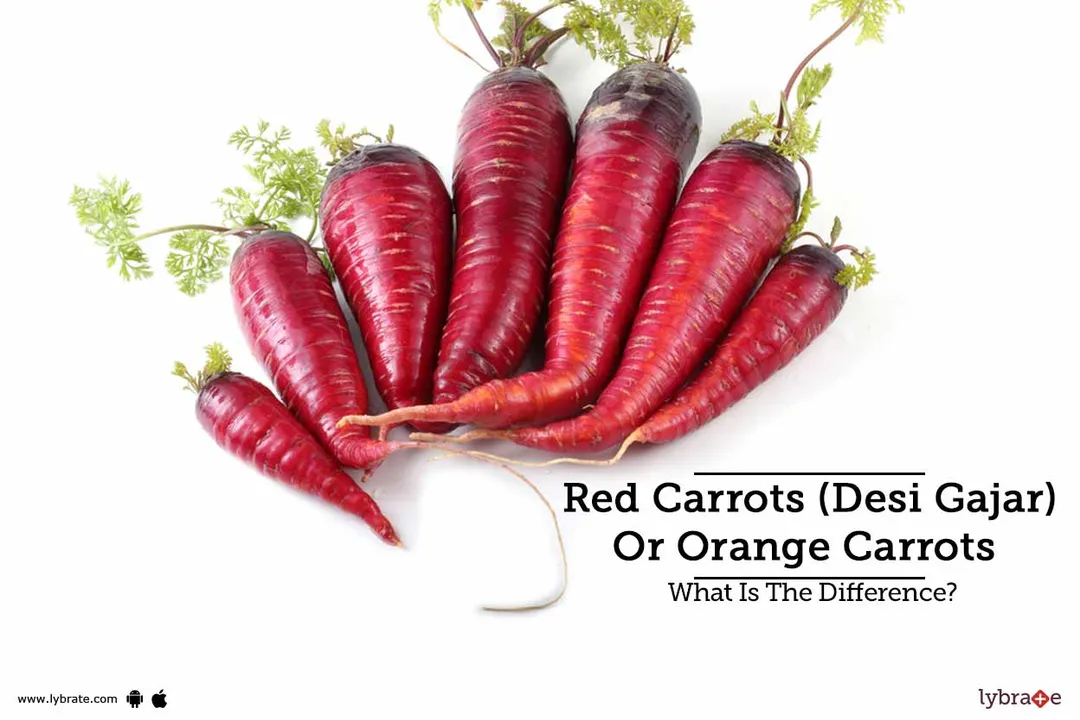
The deep, earthy hue of a red carrot often distinguishes it from its ubiquitous orange cousin, immediately signaling a difference that goes beyond mere aesthetics. When people inquire about the healthfulness of any vegetable, they are usually seeking confirmation that the color translates into superior nutritional value, and in the case of the red carrot, that suspicion is largely well-founded. These roots, sometimes referred to regionally as desi gajar, offer a potent package of compounds that overlap with, yet also diverge from, the benefits derived from standard orange varieties. [1] Understanding why red carrots are good for you requires looking directly at the pigments responsible for their striking color, as these compounds are often the source of their most celebrated attributes. [4][8]
# Color Pigments

The vibrant colors found across the carrot spectrum—from purple and red to yellow and orange—are dictated by distinct phytonutrients, primarily carotenoids and flavonoids. [2][8] The red carrot’s distinct coloration comes from two key players: anthocyanins and lycopene. [1][6][9]
Anthocyanins are water-soluble pigments that belong to a class of compounds called flavonoids. They are the same powerful antioxidants responsible for the deep reds, blues, and purples found in berries like blueberries and blackberries. [4] For red carrots, the presence of anthocyanins provides strong antioxidant protection. [4][9]
Lycopene is another critical component, particularly noticeable in red and orange varieties. [2][6] While tomatoes are famously rich in lycopene, red carrots contribute a substantial amount as well. [6] This specific carotenoid is renowned for its ability to neutralize free radicals in the body. [6]
It is important to note that while red carrots contain these unique compounds, they still share much of the nutritional base of the carrot family, including fiber, potassium, and Vitamin K1. [2][5] The difference primarily lies in the emphasis of their antioxidant profile due to the unique mix of pigments. [8]
# Red Carrot Advantages

The health benefits often attributed specifically to red carrots—or the red/purple varieties—stem directly from the high concentration of anthocyanins and lycopene they contain. [9]
# Antioxidant Power
The primary benefit derived from these pigments is their antioxidant capacity. Antioxidants combat oxidative stress, which is linked to aging and the development of various chronic diseases. [6]
- Anthocyanins: These compounds are associated with reducing inflammation throughout the body, which is a foundational step in maintaining overall health. [4]
- Lycopene: This carotenoid is particularly noted for its benefits related to prostate health, though its general anti-inflammatory and protective qualities benefit the entire system. [6]
# Traditional Remedies
Beyond modern nutritional science, red carrots have a long history in traditional medicine, particularly in South Asia, where they are sometimes called desi gajar. [1] In these contexts, they have been specifically recommended for supporting respiratory health. [1][9] For instance, historical or traditional uses suggest they can be beneficial in managing conditions such as chronic coughs and asthma. [1][9] While this traditional knowledge should not replace professional medical advice, it points toward specific compounds within the red carrot that may possess properties relevant to soothing irritation or supporting lung function, properties often associated with potent antioxidants. [1]
# Flavor Profile Insight
A small but interesting point of comparison noted anecdotally is that red carrots, particularly the deeply colored ones, can sometimes present a noticeably sweeter flavor profile compared to standard orange carrots. [1] This slight variation in natural sugar content and perhaps the concentration of certain volatile compounds can make them highly palatable for fresh eating, which encourages consistent consumption—a practical health benefit in itself. [1] If you are trying to increase your vegetable intake, finding a variety you genuinely enjoy eating raw is a major step forward.

# Shared Nutritional Foundation

While the color pigments make red carrots unique, it is crucial to recognize that they inherit the fundamental nutritional strengths common to all carrots. [2] When adding red carrots to your diet, you are simultaneously gaining benefits associated with the entire root vegetable family:
- Cardiovascular Support: Carrots, across the board, are good sources of potassium, a mineral essential for regulating blood pressure. [3][7] Furthermore, the fiber content aids in managing cholesterol levels. [3][5]
- Gut Health: Like most root vegetables, carrots provide dietary fiber, which supports healthy digestion and contributes to satiety, assisting in weight management efforts. [5][7]
- Blood Clotting and Bone Health: Carrots are a good source of Vitamin K1, which plays a role in blood clotting and bone metabolism. [5]
This means that choosing a red carrot over an orange one is not a trade-off where you lose Vitamin A benefits; you are simply adding powerful secondary benefits (anthocyanins and lycopene) to an already excellent nutritional base. [2]
# Orange Versus Red Context
To truly appreciate the red carrot, a direct comparison to the orange carrot helps frame the discussion around specific nutrient priorities. [8]
| Feature | Orange Carrot | Red Carrot |
|---|---|---|
| Dominant Pigment | Beta-Carotene | Anthocyanins & Lycopene |
| Primary Vitamin Conversion | Precursor to Vitamin A | Less direct source of Vitamin A |
| Key Antioxidant Focus | General Antioxidant/Vision | Anti-inflammatory/Circulatory Support |
| Traditional Focus | General Health/Vision | Respiratory Relief (Cough/Asthma) |
The most significant difference is the quantity of beta-carotene. [2][8] Orange carrots are exceptionally high in this compound, which the body efficiently converts into Vitamin A, making them famous for supporting vision health. [5][7] While red carrots also contain carotenoids, the intense presence of anthocyanins means their primary nutritional story shifts slightly away from the Vitamin A focus and toward antioxidant diversity. [2][8]
A practical way to integrate this knowledge is to think of them as complementary, rather than competitive. If your primary goal is supplementing Vitamin A intake to support your eyes, prioritize orange carrots. If your goal is boosting your intake of varied, potent antioxidants known for anti-inflammatory action—especially those linked to circulatory health—the red carrot earns its spot. [4][6] A truly varied diet would cycle through colors to gain the full spectrum of benefits the carrot family offers. [2]

# Maximizing Red Carrot Nutrition
The way you prepare and consume red carrots can significantly influence how much you absorb from their unique makeup. Since lycopene is fat-soluble, much like beta-carotene, consuming red carrots alongside a source of healthy fat can improve the bioavailability of the lycopene they contain. [6] This is a simple adjustment that boosts the utility of your meal. Consider serving them roasted with a drizzle of olive oil or incorporated raw into a salad dressed with avocado oil vinaigrette. [6]
Furthermore, for those sourcing traditional red carrots, knowing their typical texture and sweetness allows for creative cooking. Because they may hold up well and retain sweetness, they shine when lightly steamed, added to slow-cooked savory dishes where their color deepens, or used in baking where their natural sugars can partially replace refined sweeteners. Remember that cooking can affect different nutrients differently; while the carotenoids are generally stable and even enhanced by light cooking, sensitive vitamins might degrade slightly, making raw consumption an excellent option for preserving the full range of available nutrients. [5]
# Final Thoughts on Selection
Red carrots are undoubtedly a nutritious addition to any diet, offering a powerful blend of standard carrot benefits coupled with unique antioxidant support from anthocyanins and lycopene. [1][4][6] They are not merely a novelty but a distinct vegetable variety that contributes meaningfully to overall well-being, from supporting heart function to potentially aiding respiratory comfort, as suggested by traditional use. [3][7][9] By recognizing that different colors specialize in different protective compounds, consumers can make informed choices to diversify their intake, ensuring they harvest the full spectrum of goodness the humble, colorful carrot has to offer. [2][8]
Related Questions
#Citations
Red Carrots Or Orange Carrots - What Is The Difference? - Lybrate
Are Carrots Good for You? 7 Benefits
What's up with carrots? Let's root out the truth
Rainbow Carrots: Superfood Spotlight - Lifeway Kefir
Carrots 101: Nutrition Facts and Health Benefits - Healthline
Health Benefits of Red and Orange Vegetables - WebMD
7 Health Benefits of Carrots You Should Know
The Carrot Rainbow: Which Variety is Healthiest? - I Quit Sugar
Red vs. Black Carrots: The Ultimate Winter Superfood Showdown