What does endive do for your body?
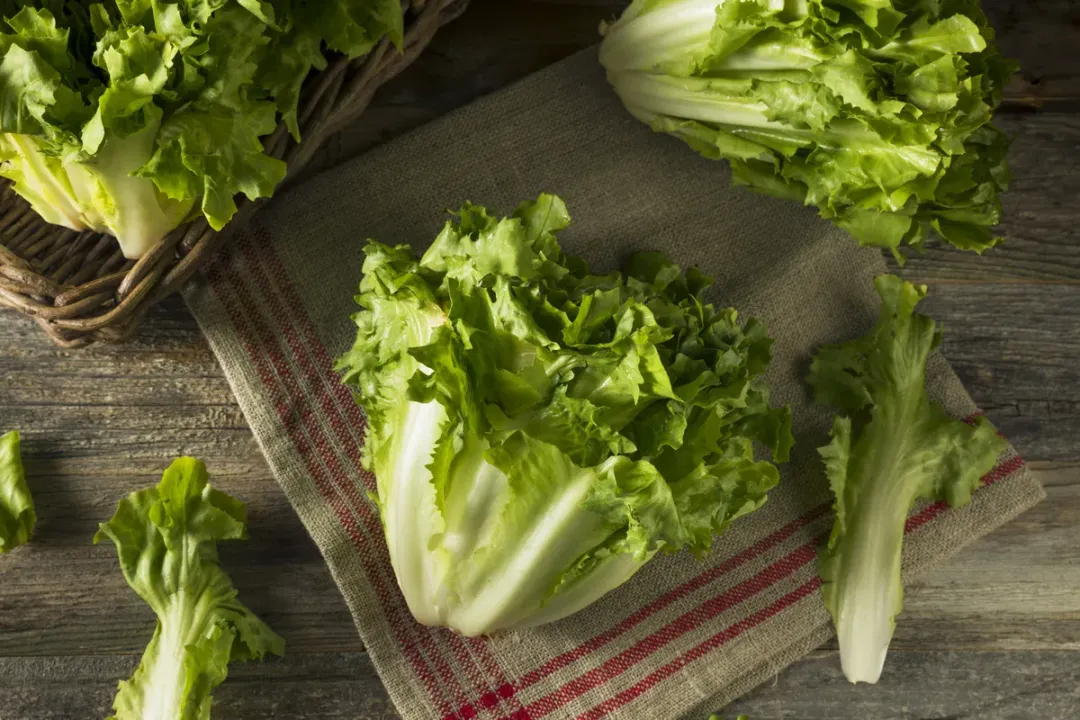
Endive, a crisp and slightly bitter member of the chicory family, offers a surprising amount of nutritional bang for its low caloric buck, making it an exciting addition to nearly any plate. [2][4][7] Often recognized by its tight, pale heads (Belgian endive) or its frilly, loose leaves (curly endive or frisée), this vegetable has long been valued not just for texture in salads but for the specific compounds it delivers to the body. [5] Understanding what this exotic green leafy vegetable does for your body reveals a profile rich in key vitamins, essential minerals, and potent antioxidants that support everything from bone density to digestive regularity. [1][7]
# Core Nutrients

The nutritional composition of endive is quite impressive, especially considering how light it is on calories. [7] It acts as a meaningful source of several essential micronutrients that the body requires daily. [2][4]
# Key Vitamins
Among the vitamins present, Vitamin K stands out as a significant component. [2][3][7] This fat-soluble vitamin is critical for the body's natural process of blood clotting. [3] Beyond coagulation, Vitamin K plays a necessary role in bone metabolism, helping to ensure proper mineralization and strength. [2][3]
Folate, also known as Vitamin B9, is another key player found within endive. [1][2][7] Folate is fundamental for healthy cell division and the synthesis of genetic material like DNA. [3] This makes it particularly important for rapidly dividing cells and for overall reproductive health. [3]
Endive also contributes notable amounts of Vitamin A and Vitamin C. [1][4][7] Vitamin A is well-known for its supporting role in good vision, especially in low-light conditions, while Vitamin C functions as a powerful water-soluble antioxidant, aiding in immune function and collagen production. [1][7]
# Essential Minerals
When looking at the mineral profile, endive delivers several elements necessary for bodily functions. [4][7] Potassium is present, which is an important electrolyte that helps maintain proper fluid balance and blood pressure regulation. [1][2] Manganese and Iron round out the key minerals, contributing to enzyme function and oxygen transport, respectively. [1][2][7]
When you consider that a significant serving of endive offers a substantial percentage of your daily needs for these nutrients while remaining very low in calories, it becomes clear why this vegetable is an excellent choice for nutrient density. [7] In fact, a practical way to view endive is to prioritize it when you need to maximize nutrient intake without adding substantial caloric load to your day, making it an easy win for those tracking energy intake, whether for weight management or athletic fueling. [7]
# Digestive Function
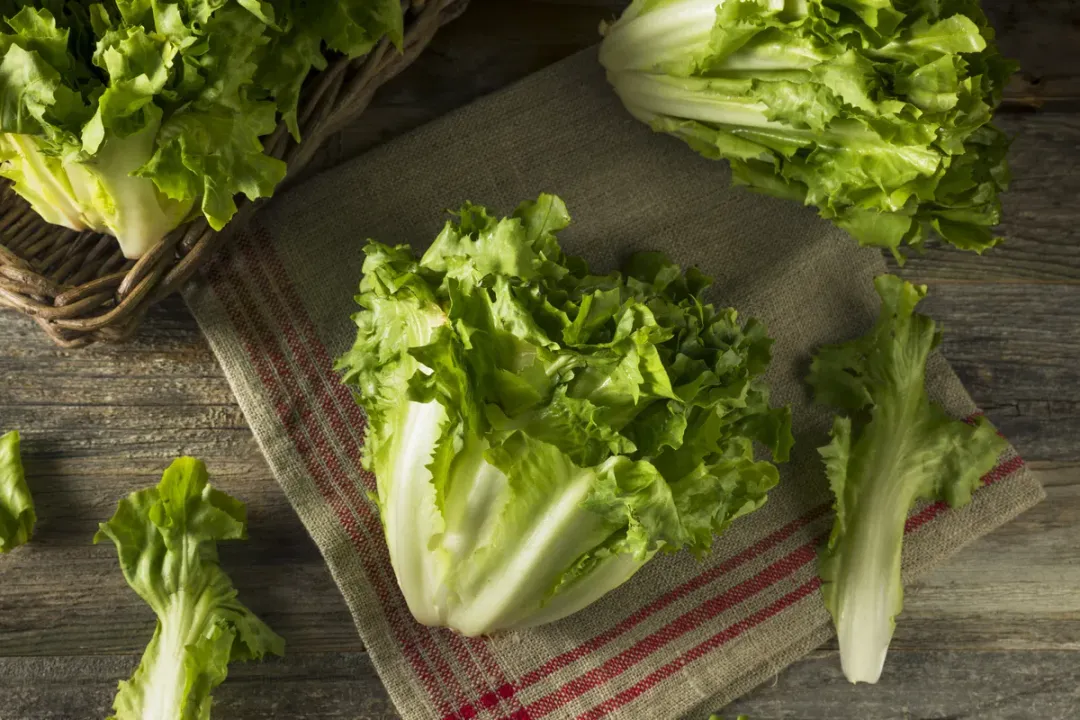
The structure of endive itself promotes digestive wellness through its significant fiber content. [3][9] Fiber is essential because it adds bulk to stool, which directly aids in preventing and alleviating constipation. [1] This bulk also contributes to a feeling of fullness, or satiety, after eating. [3]
This dual action—promoting regularity while increasing satisfaction—is a major mechanism by which endive supports body composition goals. [1][3] Furthermore, the fiber acts as a prebiotic, nourishing the beneficial bacteria in your gut microbiome, which is crucial for overall gut health and efficient nutrient absorption. [1]

# Antioxidant Power

Beyond the standard vitamins and minerals, endive contains specific compounds that give it notable antioxidant capabilities. [1][2][4] The two primary ones frequently mentioned are kaempferol and quercetin. [1][2][7]
These phytonutrients work by neutralizing harmful unstable molecules called free radicals in the body. [3] When free radicals accumulate, they cause oxidative stress, which is linked to aging and the development of chronic illnesses. [3] By supplying these antioxidants, endive helps the body mitigate this stress. [3] The presence of these specific flavonoids suggests a protective effect against cellular damage across various systems. [1][2]
# Systemic Health Support

The combination of fiber, vitamins, and antioxidants translates into several broader benefits for major body systems.
# Heart and Blood Sugar
Endive can contribute positively to cardiovascular health. [1][7] Through its mineral content (like potassium) and its fiber, it can help in managing blood pressure and may contribute to lowering elevated levels of LDL or "bad" cholesterol. [1][7] Maintaining healthy lipid profiles and normal blood pressure are cornerstones of long-term heart wellness. [1]
Simultaneously, the fiber content plays a role in blood sugar regulation. [1][2][7] Fiber slows down the absorption of sugar into the bloodstream, helping to prevent sharp spikes in glucose levels after a meal, which is beneficial for maintaining stable energy and metabolic health. [1][2]
# Bone Health
As previously mentioned, Vitamin K is essential for bone maintenance. [3] Ensuring an adequate intake of this vitamin is necessary for proper bone mineralization, suggesting that regular consumption of endive supports the structural integrity of your skeletal system over time. [2][3]
# Liver Function
Traditional uses and modern analysis often point to endive's benefit for the liver. [4] In some traditional systems, it is specifically recommended for detoxification processes, supported by its cooling nature. [4][8] While the exact mechanism involves the broad support of the nutrient profile, its cleansing reputation seems rooted in its ability to support key organs involved in metabolism and filtering. [4]

# Weight Management Attributes
For those aiming to maintain or reduce body weight, endive is an exceptionally compliant food choice. [1][7] Its profile is characterized by:
- Low Caloric Density: It contains very few calories. [1][7][9]
- High Water Content: This adds volume without calories. [1][7]
- High Fiber Content: As discussed, fiber promotes lasting satiety. [1][3]
This combination means you can eat a substantial volume of endive to feel full while consuming minimal energy, making it easier to manage daily intake goals. [1][3]
# Culinary Exploration and Preparation
While the health benefits are substantial, endive's application in the kitchen is defined by its distinct, slightly bitter flavor profile. [5] Recognizing the different forms available helps in deciding how to best incorporate it: [5]
- Belgian Endive (Witloof): These are the pale, tight, torpedo-shaped heads. They possess the mildest flavor and are excellent served raw or gently cooked. [5]
- Curly Endive (Frisée): Distinguished by its frilly, slightly spiky leaves, this variety tends to have a more pronounced bitterness. [5]
- Escarole: This type has broader, flatter leaves and is generally the least bitter of the group, making it an easy substitute for romaine or butter lettuce in some preparations. [5]
The bitterness itself, often attributed to the chicory compounds, can be an acquired taste, but it also signals the presence of beneficial bitter principles that aid digestion. [8] For those new to its flavor, simple cooking techniques can mellow it significantly. [5] Braising, grilling, or sautéing the leaves softens their texture and reduces the sharp edge of the bitterness. [5]
A useful technique when using raw endive in salads to balance the inherent slight sharpness is to pair it deliberately with contrasting flavors. For instance, a dressing made with a good quality olive oil (a healthy fat) combined with a touch of maple syrup or finely chopped dried fruit can beautifully offset the bitterness without overpowering the vegetable's fresh crunch. This simple pairing allows the more delicate notes to emerge alongside the robust flavor elements. [5]

# Context in Traditional Views
Diving into traditional perspectives can offer an interesting layer to understanding endive’s role in dietetics. [8] Within the Ayurvedic framework, endives are generally characterized as having a cooling nature. [4][8] This classification links them to balancing bodily Pitta, which is associated with fire and heat, metabolism, and inflammation. [4][8] Conversely, because it is cooling, it is noted that it might aggravate Vata, which relates to air and dryness. [8]
Viewing this through a modern lens, one might interpret the "cooling" property not just as a temperature effect, but as an anti-inflammatory signal. In diets where chronic, low-grade inflammation is common, incorporating foods with demonstrable cooling or anti-inflammatory actions, like those rich in quercetin, becomes a targeted dietary strategy. [3] The traditional recommendation for liver support aligns well with the modern understanding of its antioxidant contributions that help detoxification pathways function smoothly. [4]
In summary, endive is far more than just a crisp salad green or an attractive boat for dips. [5] It is a low-calorie powerhouse delivering substantial Vitamin K for bone health, Folate for cellular maintenance, Vitamin A for vision, and critical antioxidants like kaempferol and quercetin to combat oxidative stress. [1][2][3] Its fiber content ensures digestive harmony and satiety, making it a versatile vegetable that supports both daily wellness and long-term health goals. [1][7]
Related Questions
#Citations
Endive: 10 Health Benefits, Nutrition & How to Eat (w/ Recipes)
What Is Endive Good For? Benefits, Nutrition, Recipes - Dr. Axe
Endive Benefits, Nutrition Facts, Side Effects, And More - BetterMe
Endive - Dr Earth
How to Use Endive: Easy Recipes, Cooking Tips & Health Benefits
The endive, better known as leaf chicory to English - Facebook
Endive: Uses, Nutrition, Health Benefits And Side ... - Netmeds
Endive Benefits (Ayurveda Insights) - Joyful Belly
Why You'll Want to Eat More Endive — Plus the Chef Secret That ...