What does dill do for your health?
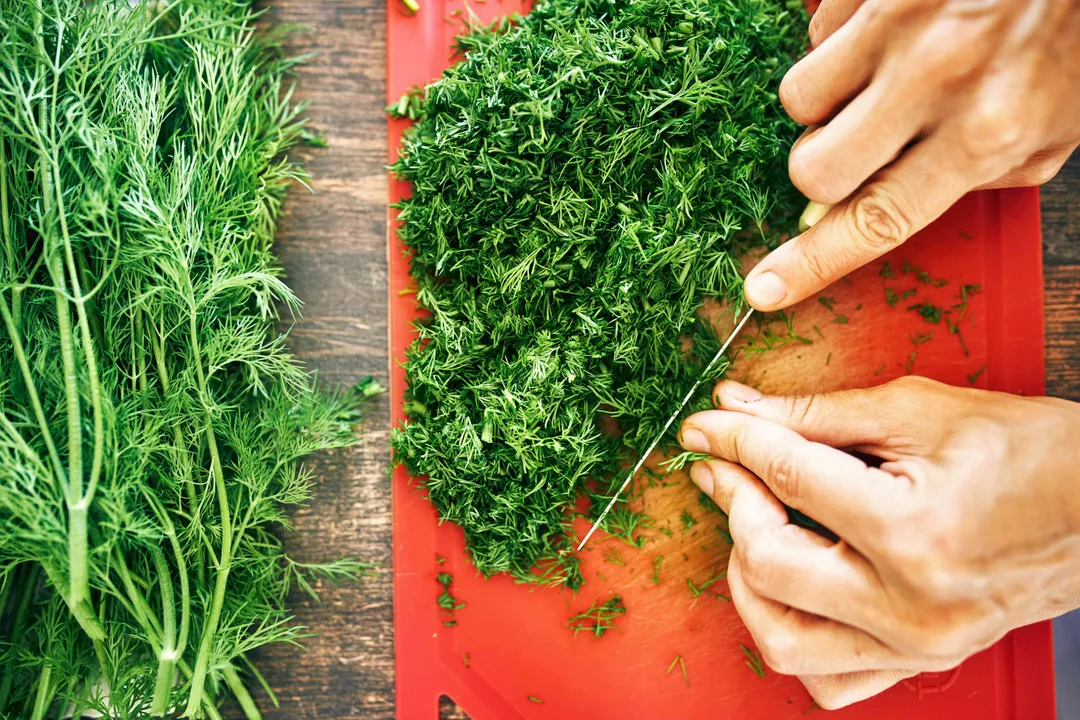
Dill is one of those fragrant herbs that seems destined for potato salad and pickles, yet its vibrant, slightly grassy flavor profile offers much more than just tang to your favorite foods. [1] Native to regions around the Mediterranean and historically valued by ancient Egyptians, Greeks, and Romans, its name, derived from the Old Norse word dylla meaning “to soothe,” hints at its long-standing medicinal reputation. [2][8] While we often reach for it as a garnish or pickling agent, understanding what this delicate, feathery herb does for your internal systems reveals why keeping it stocked—whether fresh, dried, or even frozen—is a worthwhile endeavor. [2][5]
# Flavor Profile
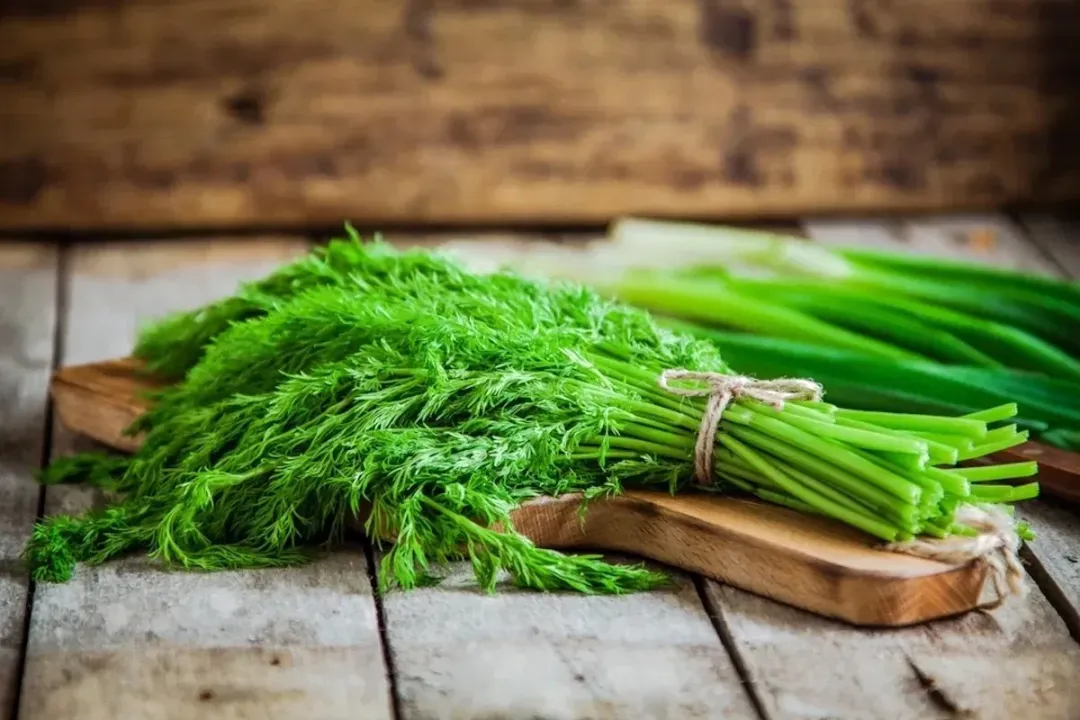
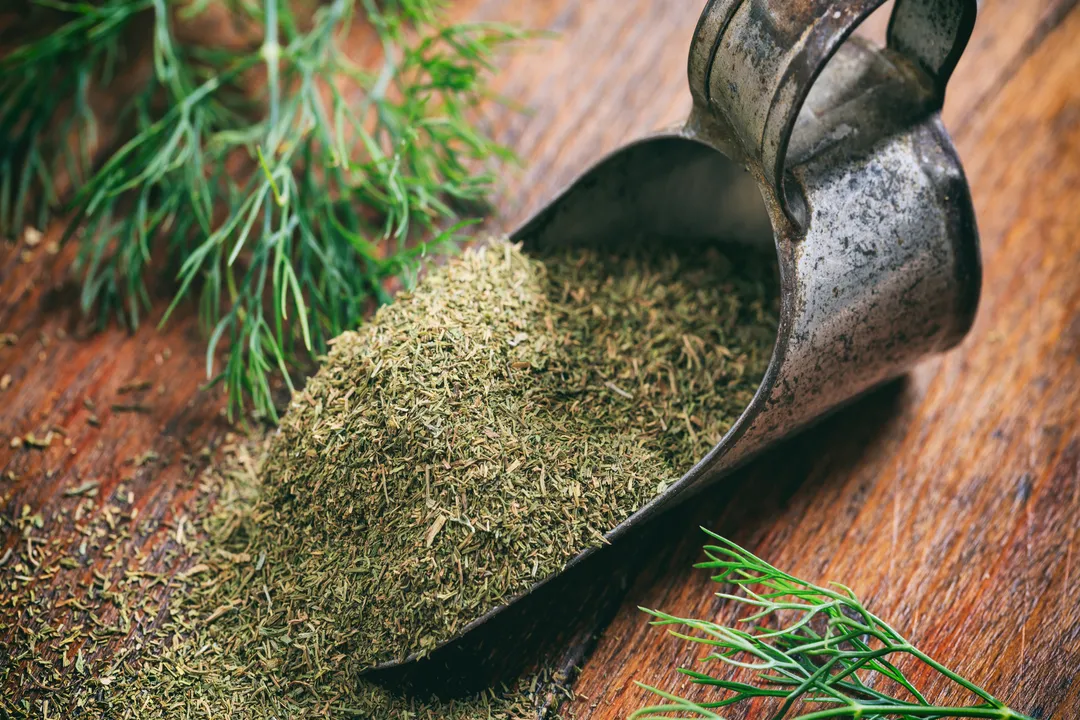
The way dill presents itself in the kitchen varies depending on the part you use. Fresh dill weed, with its thin, wispy fronds, delivers a bright, zippy taste often described as fresh with subtle notes of anise or lemon. [1][5] When you opt for the dried version, the flavor remains similar but can sometimes carry a hint of mustiness. [1] Conversely, the dill seeds, which are the fruit of the plant, offer a more pungent experience, frequently compared to caraway seeds. [1][5] Because the delicate flavor of the leaves can diminish with prolonged heat, chefs often suggest adding fresh dill towards the very end of cooking or using it as a final flourish to maximize its impact. [2][5]
# Antioxidant Protection
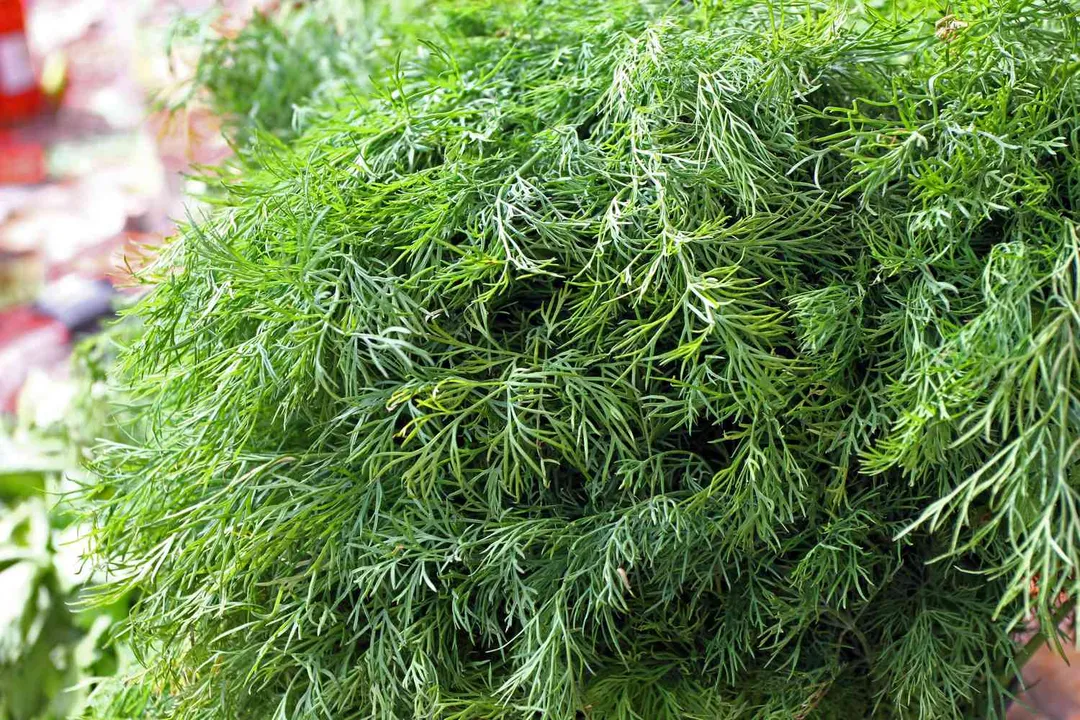
A significant aspect of dill’s health potential stems from its richness in compounds that combat cellular stress. Like many flavorful herbs, dill is packed with antioxidants, which are essential for protecting your body’s cells from damage caused by unstable molecules known as free radicals. [2][5][8] These compounds include flavonoids and terpenoids. [2][8] Flavonoids, like quercetin and isorhamnetin found in the seeds, are associated with antioxidant, anti-inflammatory, and even antiviral properties, potentially offering protection for the brain and immune system. [3][5][8] Terpenoids, common in essential oils, may contribute to defense against liver, heart, kidney, and brain diseases. [5] Additionally, the presence of tannins adds to its overall antioxidant profile and has been linked to antimicrobial effects. [5][8]
While research into these benefits often relies on concentrated extracts or high doses in animal models, recognizing the contribution of these compounds in dietary amounts is key. [1][5] Even a small daily sprinkle of fresh dill contributes to the cumulative intake of these protective plant compounds, working synergistically with the other fruits and vegetables in your diet rather than needing to be consumed by the forkful to make a difference. [1]

# Metabolic Regulation
Dill has drawn attention for its potential impact on two major areas of metabolic health: the cardiovascular system and blood sugar management. [2][3]
# Heart Health
Heart disease remains a leading cause of mortality globally, and risk factors like elevated LDL ("bad") cholesterol and chronic inflammation are significant contributors. [5] The flavonoids present in dill possess anti-inflammatory traits that may help mitigate heart disease risk and possibly lower blood pressure. [5][8] Furthermore, animal research suggests that dill extract can reduce triglyceride and LDL cholesterol levels. [4][5] However, translating this to human dietary habits requires nuance; studies using dill extracts in humans have yielded mixed results regarding cholesterol changes, making it unclear if routine culinary use yields the same outcome. [5] Still, the general tendency of using dill to flavor food naturally helps curb the need for excessive salt, which is a known factor in hypertension. [8]
# Blood Sugar Balance
Chronically high blood sugar levels increase the risk for conditions like metabolic syndrome and Type 2 diabetes. [5] Dill has shown promise in this area, with animal studies indicating that extracts can significantly improve fasting blood sugar levels. [5] In one human trial involving patients with Type 2 diabetes, supplemental dill powder was shown to decrease blood levels of insulin and lower both total and LDL cholesterol, while raising HDL ("good") cholesterol. [3] Though these findings are promising, the current body of human evidence remains limited, suggesting dill should be viewed as a supportive dietary component rather than a primary treatment for blood sugar disorders. [5]
# Digestive Soothing
Historically, one of dill's most common applications, reflected in its name, was to soothe internal discomfort. [2][8] Modern understanding supports its traditional role as a gentle digestive aid. [2] The natural oils within the herb are thought to help reduce symptoms like gas and bloating, potentially offering relief from indigestion or mild gastritis. [2][6][8] Additionally, the presence of dietary fiber in dill weed contributes positively to bowel motility, which supports overall digestive regularity. [8]

# Pain Management Potential
Beyond digestive comfort, dill may offer benefits related to managing various types of physical pain. Its volatile oils are suggested to help relax smooth muscles, which could benefit those experiencing muscular tension or cramping. [6] Specifically, research has examined its use for menstrual pain, or dysmenorrhea. One controlled trial indicated that supplemental dill powder was comparable to the NSAID mefenamic acid in reducing period pain severity. [3] The essential oils are also believed to possess analgesic and anti-inflammatory qualities that might help with generalized swelling or pain. [6]
For expectant mothers, dill seeds have been investigated for use during labor. Some controlled studies suggested that boiled dill seed might help reduce anxiety levels during delivery, shorten the duration of labor, and potentially lower C-section rates for anxious mothers. [3]
# Nutrients Snapshot
While dill shines brightest due to its bioactive compounds, it also provides essential micronutrients, even when consumed in small quantities. [5] It is particularly noteworthy for Vitamin C, which is crucial for immune function, healing, and healthy skin, bone, and connective tissue formation. [3][5] Furthermore, it contains Vitamin A, important for vision and immune health, and minerals like magnesium and calcium, which are vital for nerve function and bone structure. [5][8]
The nutritional content, however, is highly dependent on the serving size analyzed. For example, 100 grams of fresh dill weed is exceptionally rich in Vitamin A and Vitamin C, providing several times the Daily Value (DV) for each. But because typical culinary use involves only a few grams, the impact is primarily concentrated in the flavor and the bioactive compounds rather than high macro-nutrient intake. This emphasizes the importance of using it consistently to maximize micronutrient benefits. [5]
| Nutrient (Per 100g Fresh Dill) | Approximate DV Contribution | Primary Function Highlighted |
|---|---|---|
| Vitamin C | High (e.g., 140% DV) | Antioxidant, Immune Support [3][5] |
| Vitamin A | Very High (e.g., 257% DV) | Vision, Immune Function [5][8] |
| Iron | High (e.g., 82% DV) | Oxygen Transport [8] |
| Folate (B9) | Significant (e.g., 37.5% DV) | DNA Synthesis [8] |
| Calcium | Moderate (e.g., 21% DV) | Bone Health [2][8] |
If you are aiming for a broader nutrient gain from dill, it might be worthwhile to make a point of consuming the seeds, which offer different ratios of minerals like calcium and iron compared to the leaves. [5][8] Blending a spice mix that incorporates ground seeds with fresh leaves is an easy way to capture benefits from both parts of the plant in one meal.

# Culinary Integration
Dill’s versatility ensures it finds a place across many global cuisines, from Scandinavian salmon preparations to Middle Eastern dishes. [2] While its most famous role is arguably as the signature flavor in dill pickles, its bright profile shines in numerous other applications. [2][4]
Consider these proven ways to integrate dill:
- Dressings and Sauces: Mix it generously into homemade ranch or vinaigrettes using lemon and oil, or incorporate it into Greek yogurt for dips like tzatziki. [1][4][5]
- Potatoes and Eggs: It’s excellent tossed with roasted potatoes, mixed into potato salad, or added to scrambled eggs and omelets. [1][4][5]
- Proteins: Dill pairs exceptionally well with fish, such as salmon or trout, and can season chicken or lamb dishes. [2][5]
- Creative Uses: For an unexpected flavor burst, try infusing butter with fresh dill, or folding it into savory baked goods like scones or muffins. [2]
When storing the fresh herb, wrapping the sprigs loosely in a paper towel after spritzing lightly with water and placing them in a plastic bag in the refrigerator can extend their freshness for about a week. [3][5] For longer preservation, freezing works well, especially for use in cooked dishes, where the flavor will remain potent for several months. [2][5]
# Considerations and Caution
For most people, consuming dill in culinary amounts is considered generally safe, as it is recognized as safe by food and drug administrations for consumption. [3][5] However, some individuals may experience rare allergic reactions, and sometimes those allergic to dill may also react to carrots. [5][8]
More specific warnings apply to concentrated supplemental forms. It is generally advised that women who are pregnant or breastfeeding avoid medicinal doses of dill supplements due to limited safety research. [3][5] Furthermore, there are theoretical interactions with certain medications; for instance, dill extract might increase the risk of hypoglycemia when taken alongside anti-diabetes drugs or other blood-sugar-lowering herbs. [3] Because dill is believed to possess diuretic properties, there is a theoretical concern that it could affect the appropriate dosage of medications like lithium. [3] Finally, anyone scheduled for elective surgery should cease taking dill in supplemental amounts at least two weeks prior. [3] These cautions specifically relate to supplements and extracts, not the small, seasoning amounts typically added to meals. [3]
Related Questions
#Citations
Health Benefits of Dill - WebMD
Dill: Nutrition, Benefits, and Uses - Healthline
Dill: Benefits, Nutrition, and Risks - Health
What is Dill? Benefits, Uses and Cooking Tips - Dorot Gardens
Dill: 9 Health Benefits, Nutritional Info, How to Consume & Recipes
Dill: Uses and Benefits of Sprinkling Food With Spice - Verywell Health
What Are the Health Benefits of Dill Weed? | Silva International
The Health Benefits of Dill - EatingWell