Who are the members of the home health care team?
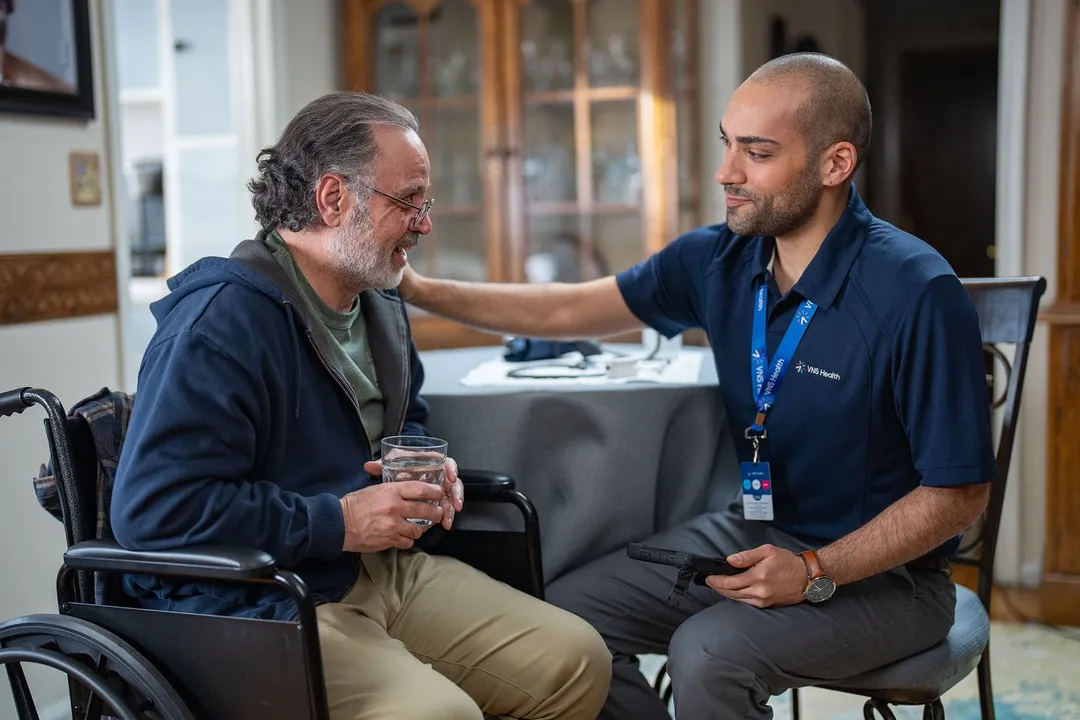
Coming home after an illness, injury, or surgery often means transitioning into a new, complex care environment, yet that environment is fundamentally different from a hospital ward. Care shifts from a concentrated medical setting to the intimate, dynamic space of a private residence. The effectiveness of this transition hinges entirely on a carefully constructed network of professionals and loved ones: the home health care team. This team is not a fixed roster; rather, it is assembled specifically around the individual’s unique medical requirements, personal goals, and home situation. [1]
While the term "home health care" often brings to mind nursing services, the reality is a multidisciplinary collaboration where many specialists converge, each bringing a distinct set of knowledge, skills, and attitudes to the patient’s bedside, even if that bedside is in the living room. [5] Understanding who these players are, and precisely what they are licensed and trained to do, is key to managing expectations and ensuring care remains cohesive and effective.
# Skilled Professionals
The backbone of medically necessary home care involves licensed professionals whose work requires advanced training and carries regulatory oversight regarding licensure and scope of practice. These individuals are often responsible for assessment, developing the core plan of care, and supervising less credentialed staff. [3][5]
# Physicians and Nurses
The Physician (MD or DO) is the ultimate overseer. While they rarely provide the daily hands-on care in the home, their function remains vital: diagnosing conditions, monitoring status, and prescribing medications and overall treatment protocols. [3] Home visits by the physician, though perhaps infrequent, offer unique insights into the patient’s daily realities—the environment, family dynamics, medication compliance, and the physical execution of daily activities—that are impossible to gauge in an office setting. [5]
The most visible skilled personnel leading daily medical oversight are the nurses. The Registered Nurse (RN) frequently serves as the primary Care Manager or coordinator in many home health setups. [1][5] The RN performs initial assessments, monitors patient conditions, manages test results, provides vital patient and family education, and administers treatments or medications. [3] Crucially, the RN is responsible for supervising Licensed Practical Nurses (LPNs) and various aides (HHAs/PCAs). [3][7] In some cases, particularly if the primary need is rehabilitation following an injury, a Physical Therapist may take on the Care Manager role, though the RN typically provides broader medical oversight. [1]
The Licensed Practical Nurse (LPN), or Licensed Vocational Nurse (LVN), operates under the direction of the RN. Their scope includes monitoring vital signs, wound care, collecting laboratory samples, and administering certain medications. [3][7] They are essential members of the nursing service component, implementing parts of the plan developed by the RN and physician. [6]
# Therapists for Function
When recovery involves regaining physical, cognitive, or communication abilities, the rehabilitation therapists become central figures. They focus intensely on achieving functional independence, aiming to help the patient maintain or regain abilities lost due to illness or injury. [3][5]
- Physical Therapists (PTs): PTs focus on mobility, strength, balance, and coordination. They prescribe strengthening exercises and teach patients how to safely manage assistive equipment like walkers or canes. [3] In some models, the PT may step into the central coordinator role for a patient’s recovery plan. [1]
- Occupational Therapists (OTs): The goal of OT is adaptation for activities of daily living (ADLs). This involves teaching techniques or recommending specific adaptive devices—from long-handled shoe horns to modified utensils—that allow the patient to dress, eat, or bathe more independently. [1][3] OTs may also assess the home environment for modifications that improve functionality. [5]
- Speech-Language Pathologists (SLPs): Sometimes known simply as speech therapists, SLPs address disorders related to communication and swallowing. [3] They implement exercises to strengthen facial/mouth muscles, which directly impacts the ability to chew and swallow safely, often recommending necessary dietary modifications, such as thickened liquids. [1][5]
Beyond these core specialties, a home health team might also involve a Respiratory Therapist (RT) for complex breathing issues or a Registered Dietician (RD) who assesses nutritional status and prescribes specialized diets to manage illness or improve overall nutrition. [3][5]
# Direct Support Personnel
Direct care workers are the personnel present most consistently in the home. They bridge the gap between skilled medical tasks and essential daily living support. It is important to recognize that while their work is foundational, their training and legal scope of practice differ significantly from licensed nurses and therapists. [8]
# Aides and Assistants
The terminology for non-licensed support staff can be confusing, often overlapping depending on the agency and state regulations. Generally, these roles fall into categories based on training—often requiring a minimum of 75 hours of formal training for Medicare-certified roles, versus on-the-job training for others. [3][7]
| Team Member | Primary Focus | Medical Tasks Allowed? | Typical Training Standard |
|---|---|---|---|
| Home Health Aide (HHA) | Personal care, light housekeeping related to care, basic monitoring. | Yes, under supervision (e.g., vital signs, simple dressing changes). [3][7] | Often requires state certification, minimum 75 hours of formal training. [3] |
| Certified Nursing Assistant (CNA) | Basic nursing tasks under RN/LPN direction (e.g., hygiene, mobility assistance, recording output). [3][7] | Yes, as delegated nursing tasks under supervision. [3] | Minimum 75 hours of state-approved training and certification exam. [3] |
| Personal Care Aide (PCA) | Personal care (ADLs), companionship, errands, meal prep. | No; they do not perform medical services like taking vital signs. [1][3] | Generally minimal federal requirements; often trained on the job. [3] |
It is a vital insight for families to understand that the distinction between an HHA and a PCA often rests on that legal line regarding medical tasks. [3] If the need is purely for companionship, extended hours of non-medical support, or tasks outside the strict parameters of medically ordered care, services rendered by PCAs are typically paid out-of-pocket or through long-term care insurance, as Medicare often requires an HHA to be medically necessary to cover services. [1] Conversely, HHAs and CNAs, when working for certified agencies, must adhere to specific training standards, usually involving at least 75 hours of instruction and a competency exam. [3]
Direct care workers are often described as the "eyes and ears" of the entire system. [8] Because they provide sustained, one-on-one support, they are perfectly positioned to observe subtle changes in a patient's condition before a clinician making intermittent visits might notice. This observational role, coupled with the need to report these changes effectively, makes their function indispensable to timely medical adjustments. [8]

# Coordination and Specialized Support
Beyond the hands-on providers, several professionals ensure the patient’s broader social, emotional, and logistical well-being is addressed, making the care truly comprehensive. [8]
# Social Services
The Medical Social Worker (MSW) addresses the environmental, emotional, and financial complexities that accompany serious illness or disability. They assess needs across these domains and work to connect the patient and family with necessary community services, counseling, and potential financial assistance. [3][5] They act as advocates and can coordinate practical supports, such as arranging respite care—a short break for the primary family caregiver who may be experiencing strain. [1][5] A key function is providing emotional support for feelings related to loss or the burden of chronic illness. [5]
# Allied Specialists
Other key contributors include:
- Pharmacists: They ensure the patient or caregiver understands the proper administration, storage, and potential interactions of all medications. They help develop the pharmaceutical plan and must be accessible for questions about drug therapy. [5]
- Psychologists/Counselors: While sometimes included formally (as in the VA model for complex cases), their input is essential for managing depression or the emotional stress that often accompanies disability or dependency. [5][8]
- Volunteers and Family: The informal network is critical. Volunteers provide temporary, free support, often with basic safety training, while family members and friends offer continuous support for ADLs and companionship. Their contribution, though often unpaid, is integral to the system's success. [7]
# Team Dynamics and Effective Collaboration
The composition of the team is defined by the patient’s needs and the care plan’s requirements, meaning roles can shift, and functions often overlap, especially given the part-time nature of many professional visits. [5] A crucial factor in successful home care, unlike institutional settings, is that the primary professional on-site is often alone with the patient. [5]
This reality necessitates that every member, from the RN coordinator to the PCA, understands the bigger picture. In high-functioning teams, there is an expectation of shared tasks, such as a brief assessment of the overall care plan's effectiveness and checking in on patient/caregiver interactions. [5]
Consider a scenario where an RN is managing complex wound care while an OT is teaching the patient to use a specialized plate for eating. If the HHA notes that the patient seems withdrawn and has refused breakfast three days in a row, that observation, reported back to the RN and MSW, might trigger a mental health check-in or a nutritional consult, even though the HHA is not authorized to diagnose depression or change a diet plan. This interconnected communication loop is where care quality truly thrives.
In fact, the team structure itself requires intentional management. In some settings, the physician relies on the RN to serve as the liaison and leader, effectively coordinating the disparate disciplines. [5] However, this can create a hierarchical dynamic. A more integrated approach, sometimes seen in specialized longitudinal programs, involves all members—including direct care workers—taking rotating leadership roles and undergoing interdisciplinary training specifically designed to teach competency in both leading and following. [8]
It is an organizational reality that the individuals with the most direct, front-line contact—the direct care workers—often possess socioeconomic backgrounds that mirror the patient’s, giving them a perspective that clinicians with doctoral-level training might lack. [8] To maximize patient autonomy and trust, a successful home care strategy must actively invest in and utilize the wisdom of these direct care workers, ensuring they feel competent and valued enough to share their crucial on-the-ground observations, rather than sidelining them as simply task-doers [8]. When coordination fails, the result is often conflicting messages sent to the patient, leading to confusion and a loss of trust in the entire care circle. [5]
# The Patient's Role
The patient and their family are not passive recipients; they are arguably the single most critical component of the entire structure. [3] The patient holds the right to be fully informed about their care and, just as importantly, the right to refuse any medication or service. [3] Care plans must be developed with respect for the patient’s unique cultural needs, traditions, and desires. [3] When caregivers' capacity—either physical ability or available time—is exceeded, the entire home care arrangement risks collapse. [5] This is why external resources, like social workers helping arrange respite, are not merely add-ons but safeguards for the entire system's sustainability. [1] The patient's stated goals must dictate the team's outcomes. [8]
Related Questions
#Citations
1.3: Who is Part of the Home Health Care Team - Medicine LibreTexts
Home Health Care | HealthInAging.org
FYI: Different Types of Home Care Workers | The ALS Association
Who's Who on Your Home Care Team? | VNS Health | New York
Home Health Care Team Members
2.3 Members of the Health Care Team and Nursing Home Structure
Types of In-Home Caregivers and Care Services - CaringInfo
The Home Health Care Workforce - NCBI - NIH