What are examples of public health workers?

Public health work is dedicated to promoting and protecting the health of people and the communities where they live, learn, work, and play. [3] Unlike the individual focus of clinical medicine, which treats sickness in a single patient, public health professionals concentrate on preventing illness, detecting and controlling diseases, educating and informing the public about health, and creating policies that support health across entire populations. [3][5] The scope of roles involved in this essential societal function is remarkably diverse, stretching far beyond what many might initially picture when thinking about healthcare.
# Defining Scope

The workforce dedicated to public health is broad, encompassing many different professions united by the common goal of population well-being. [2] These professionals work in government agencies at local, state, and federal levels, as well as in private organizations, non-profits, academic institutions, and healthcare systems. [6][10] A key characteristic of the public health worker is their application of scientific knowledge to address social and environmental factors that influence health outcomes. [5]
The U.S. Bureau of Labor Statistics categorizes many of these roles under healthcare occupations, though their function often involves planning, policy, and community outreach rather than direct patient care in a clinic setting. [4] For instance, while one person might track vaccination rates across a state, another might work directly in a neighborhood clinic helping residents access those vaccines. [1][7]
# Career Examples
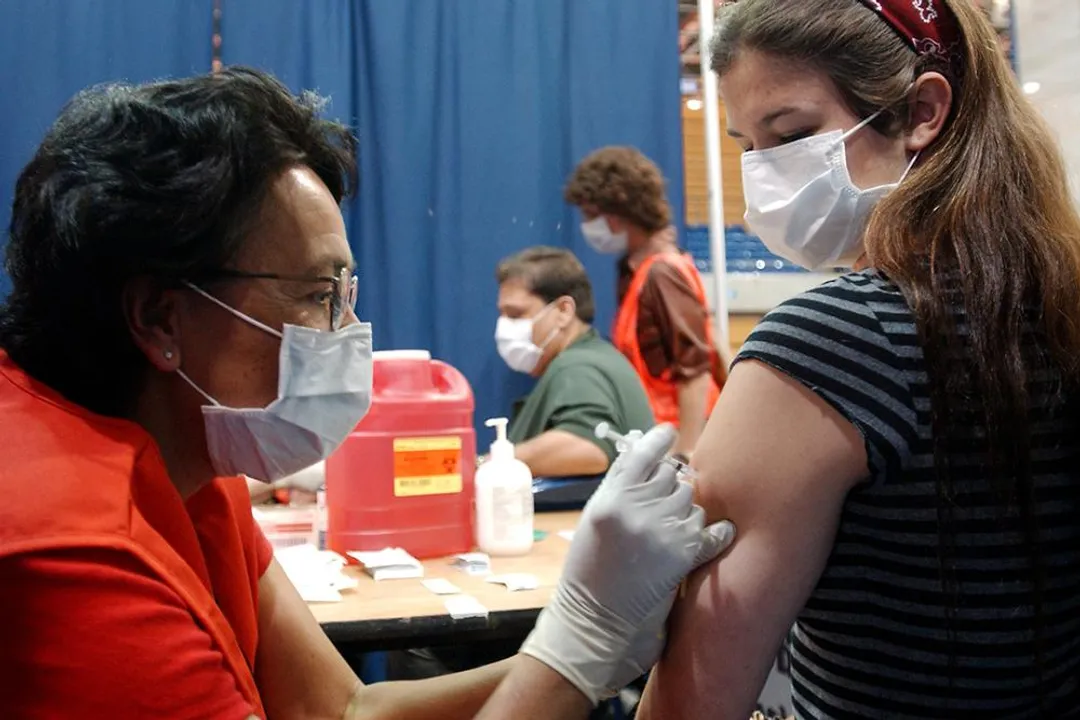
The roles within public health can be grouped based on their primary focus, whether it is data analysis, community engagement, administration, or policy development. [5][6] It is rare for a public health professional to fit neatly into one box, as modern challenges often require cross-disciplinary work, but recognizing these functional groups helps illustrate the variety of expertise needed.
# Data Roles
One fundamental pillar of public health involves understanding what the health issues are and where they are occurring. This is the domain of quantitative specialists.
Epidemiologists are often considered the detectives of public health. They investigate patterns and causes of disease and injury in human populations. [2][10] They might study why a particular type of cancer is higher in one county than another, or track the spread of a novel virus. [10] Their work relies on meticulous data collection, analysis, and interpretation to identify risk factors and recommend control measures. [5]
Biostatisticians support this work by applying statistical methods to biological and health-related data. [10] They are vital for designing studies, analyzing the results, and ensuring that conclusions drawn about a health intervention or risk factor are statistically sound. [5] Without rigorous statistical backing, public health recommendations carry little weight.
Health Statisticians or Data Analysts might focus more on tracking vital statistics, morbidity rates, and the overall health status of a defined population over time, helping shape long-term strategic planning for health departments. [1]
# Community Focus
Public health must connect with the people it serves, often requiring dedicated personnel to bridge the gap between official agencies and community needs.
Community Health Workers (CHWs) exemplify this direct connection. In California, for example, CHWs are trusted members of the communities they serve who act as liaisons, providing health education, informal counseling, and assistance navigating social services. [7] They help individuals access care and understand complex health information tailored to their specific cultural or linguistic needs. [7] This role embodies the "ground-level" experience necessary for effective outreach. [2]
Health Educators are tasked with developing and implementing programs designed to promote healthy lifestyles and prevent disease. [2] This can involve creating brochures, leading workshops on nutrition, or managing anti-smoking campaigns. [10] Their success hinges on effectively communicating complex medical information in an accessible, engaging manner to diverse audiences. [1]
# Policy and Administration
Protecting population health also requires shaping the rules and structures within which health operates.
Public Health Administrators or Managers oversee the operations of health departments or programs. [1][2] They ensure that services are delivered effectively, manage budgets, comply with regulations, and coordinate responses during public health emergencies. [1] Their expertise lies in organizational leadership and navigating the complex legal and financial aspects of public health systems. [6]
Health Policy Analysts examine current laws and regulations and recommend changes that could improve public health outcomes. [5] They might analyze the impact of a proposed clean air standard on asthma rates or study the accessibility of mental health services based on existing insurance mandates. [10]
# Environmental and Safety Roles
Health protection extends well beyond personal behavior into the physical surroundings we inhabit.
Environmental Health Specialists or Inspectors investigate factors in the environment that can affect human health. [1][2] This includes ensuring the safety of public water supplies, inspecting restaurants for proper food handling procedures, monitoring air quality, or responding to hazards like chemical spills. [1] They bridge environmental science and public health practice. [5]
Public Health Nurses provide clinical services while focusing on population-level needs. [2] They might administer vaccines at large community events, conduct disease surveillance interviews, or manage chronic disease screening programs across a county. [1] Their nursing expertise is applied not just to individuals but to entire cohorts or geographic areas. [5]
| Role Focus Area | Primary Activity | Example Setting |
|---|---|---|
| Data & Research | Analyzing disease patterns | State Health Department Surveillance Unit |
| Direct Service | Connecting residents to resources | Local Community Center Outreach Program |
| Policy & Planning | Drafting and reviewing health legislation | State Capitol Lobbying Office |
| Environmental Safety | Testing water quality and food safety | County Health Inspector Fieldwork |
| Health Promotion | Creating educational materials and campaigns | Non-profit organization managing an obesity prevention project |
| Administration | Managing departmental operations and budgets | City Health Director's Office |
| [1][2][5][7] |
Synthesizing the roles reveals that success in public health often requires navigating the space between systems. A statistician identifies that a neighborhood has high rates of poorly controlled diabetes, and the administrator secures funding for a mobile screening unit, but it is the Community Health Worker who then spends weeks earning the trust necessary for residents to actually board that bus for testing. This interplay between technical expertise, logistical planning, and interpersonal connection is what truly defines the field.

# Specific Job Titles Illustrated

To better appreciate the range, looking at specific titles used by state and local entities can be helpful. [1][2] New York State, for example, lists employees such as:
- Public Health Sanitarian: This title aligns closely with the Environmental Health Specialist, focusing on sanitation and preventing disease transmission through environmental factors. [1]
- Public Health Nutritionist: These professionals develop and implement nutrition policies and programs aimed at improving the dietary health of a population, often working on initiatives like school lunch standards or WIC program support. [1]
- Epidemiologist Trainee: This shows a clear career ladder, indicating entry-level positions dedicated to training the next generation of disease investigators. [1]
Goodwin University notes other important designations, including Health Promotion Specialists and Public Health Analysts, reinforcing the need for dedicated communication and research skillsets. [2] Furthermore, specialized roles like Infectious Disease Specialists focus intensely on managing outbreaks and developing preventative protocols for communicable illnesses. [10]
# Working in Government and Academia
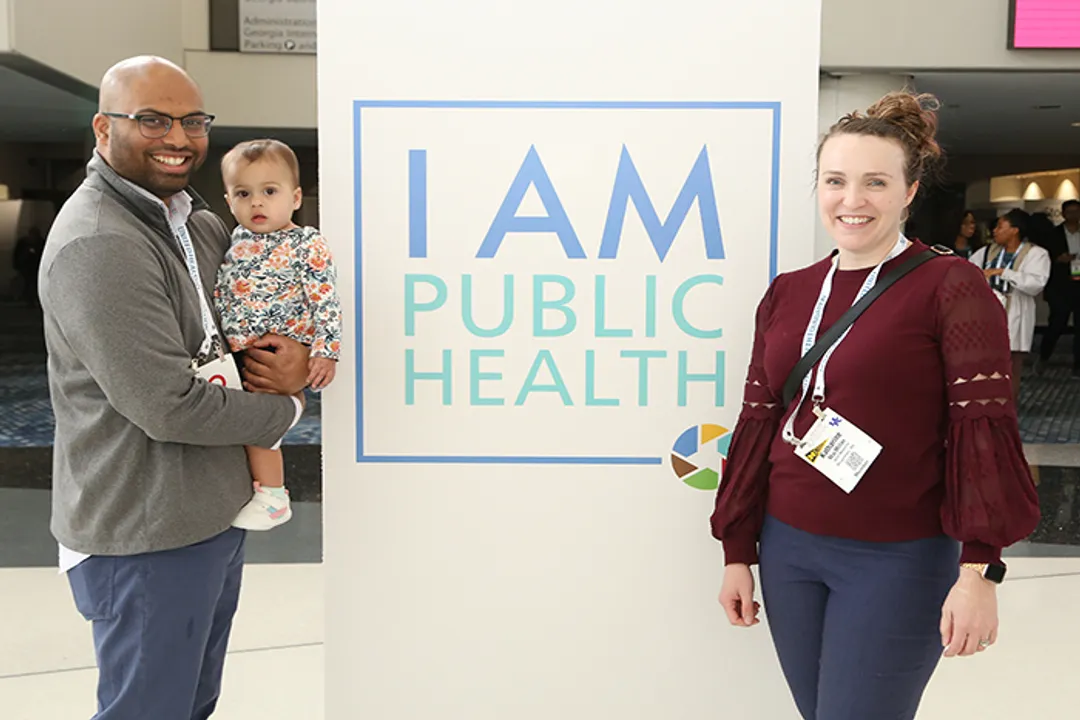
A significant portion of the public health workforce operates within the government sector, as government is tasked with protecting the common good. [3] This setting often means working on official mandates and large-scale programs. For instance, the Director of Public Health for a county sits at the top of the local organizational chart, responsible for all county-level health initiatives and emergency response coordination. [1]
In academic settings, researchers and faculty work not only to treat patients but to generate the evidence base that informs public health practice nationwide. [6] They conduct clinical trials on new vaccines, study the social determinants of health, and educate future professionals. [5] A university-based public health department might house a specialist focused entirely on health disparities in rural populations, a topic requiring long-term research funding and deep analytical skill. [9]
This focus on evidence generation leads to an interesting dynamic: the practitioners on the ground (like CHWs) are often implementing strategies derived from the data analyzed by university researchers and validated by state-level statisticians. The UCSF Healthforce center's work in California underscores the need to track this entire workforce pipeline, ensuring there are enough trained people across all these necessary sub-fields. [9]
# The Specialist vs. The Generalist
Public health careers often demand either deep specialization or broad general knowledge. [10] A Public Health Specialist might have a very broad remit, focusing on coordinating multiple prevention efforts across various departments within a local health agency. [10] They may serve as the liaison between law enforcement, schools, and the health department to address issues like opioid overdose prevention or youth violence. [10]
In contrast, roles like the Public Health Statistician or Environmental Health Specialist are highly specialized, requiring specific technical certifications or advanced degrees in their respective sciences. [5] This division isn't a competition; it is a necessary division of labor. The generalist ensures the whole system functions, while the specialist provides the technical depth required for accurate problem-solving in their domain. For example, a generalist might initiate a community wellness fair, but the nutritionist specializing in diabetes must design the appropriate screening protocols for that fair. [2]
# Insights on Workforce Needs
When considering the overall needs of a public health system, it becomes clear that capacity is not just about the number of people, but the type of people available at critical junctures. A system overloaded with administrators but lacking sufficient frontline CHWs will struggle with implementation, while a system heavy on researchers but light on policy analysts will produce excellent studies that never translate into actual law or regulatory change. The balance point, as indicated by workforce reports, is often found in ensuring adequate personnel for data collection and community engagement, which are frequently the most resource-intensive and least visible aspects of the work. [9]
For those looking to enter this field, understanding this balance is key. If your passion lies in direct human interaction and navigating social barriers, the CHW or Health Educator path is clearer. If you prefer identifying systemic weaknesses using mathematics, the data science route is more appropriate. A useful way to frame this is to ask: Do I want to design the map, or do I want to personally guide people across the territory the map describes? Both are equally public health.

# Regulatory and Oversight Functions
Public health is heavily regulated, meaning significant portions of the workforce are involved in ensuring adherence to health codes and safety standards. [4]
Public Health Sanitarins (as mentioned in NY) or Health Inspectors are the boots on the ground ensuring compliance. [1] When a hotel suffers a norovirus outbreak, these individuals investigate the source, mandate the necessary cleaning and procedural changes, and ensure the establishment can reopen safely, thereby protecting countless future guests. [2] This function requires authority granted by the state or local government. [4]
Similarly, in areas like occupational health, specialists work to ensure workplaces comply with safety standards to prevent industrial injuries or exposures, another critical, albeit often behind-the-scenes, element of population health protection. [5]
# The Importance of Trust and Communication
The success of nearly every public health intervention—from distributing malaria nets to promoting seasonal flu shots—relies on public trust and effective communication. [3] Public health workers are essentially communicators translating science into action. [10]
Consider the difference between a clinical recommendation and a public health mandate during a crisis. A doctor tells one patient to isolate; a public health official must communicate isolation requirements, available support resources (food, financial aid), and the reasoning behind the isolation to thousands of potentially skeptical individuals simultaneously. [1] This high-stakes communication defines roles like Risk Communications Officers or Health Promotion Specialists. [2] Their performance directly influences compliance rates and ultimately, the speed at which a health threat is contained. [5]
The very nature of public health demands that workers understand and respect community context, which is why local hires for roles like Community Health Workers often prove more effective than importing external experts; lived experience is an undeniable component of public health expertise. [7] When a public health campaign is perceived as being imposed from the outside without local knowledge, it is far more likely to fail, regardless of how scientifically sound the underlying data is. This reliance on authentic relationship building is a core competency that warrants as much training focus as epidemiology or biostatistics. [9]
# Educational Paths
The paths to becoming a public health worker vary widely based on the desired specialization. [6] Some roles, like Community Health Worker, may require a certificate or high school diploma plus significant experience, focusing on applied skills and community connection. [7] Other roles require advanced degrees. For example, to become a lead epidemiologist or a director of a state division, a Master of Public Health (MPH) degree is often the standard expectation. [6] For those moving into research or high-level policy consultation, doctoral degrees (like a PhD or DrPH) are frequently pursued. [5] The Bureau of Labor Statistics data suggests that while some entry-level roles exist, many of the professional positions managing programs or conducting research necessitate postgraduate education. [4]
In summary, the public health workforce is a distributed system of experts—scientists, advocates, administrators, and community connectors—all working toward the prevention of disease and the promotion of well-being for entire populations, a task far more varied and intricate than simple medical treatment. [3][10]
Related Questions
#Citations
Who are Public Health Employees?
5 Types of Public Health Professionals | Goodwin University
What is public health
Healthcare Occupations - Bureau of Labor Statistics
Careers in Public Health | School of Public Health
Exploring Public Health Careers
Community Health Workers - DHCS - CA.gov
11 examples of public health jobs (Plus salaries and duties) - Indeed
Public Health Workforce and Education in California
What Do Public Health Specialists Do: Daily Work & Skills