What is the role of home health care?
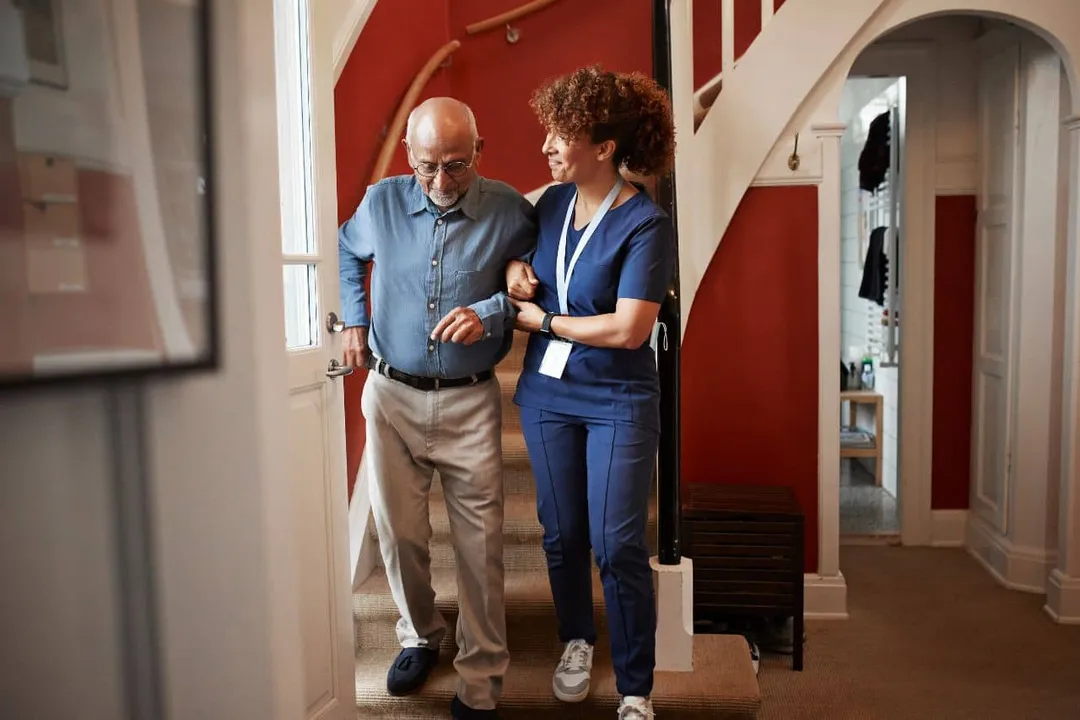
The concept of receiving medical attention, support, and therapy within the familiar surroundings of one’s own residence represents a significant shift in healthcare delivery. Home health care is fundamentally about providing medical services, not just assistance with daily activities, ordered by a doctor to treat an illness or injury, delivered by licensed professionals. [2][8] It is a distinct form of care, designed to help patients recover, manage chronic conditions, or maintain their independence when they are too ill or frail to travel to a clinic or hospital. [2][8]
# Defining Care
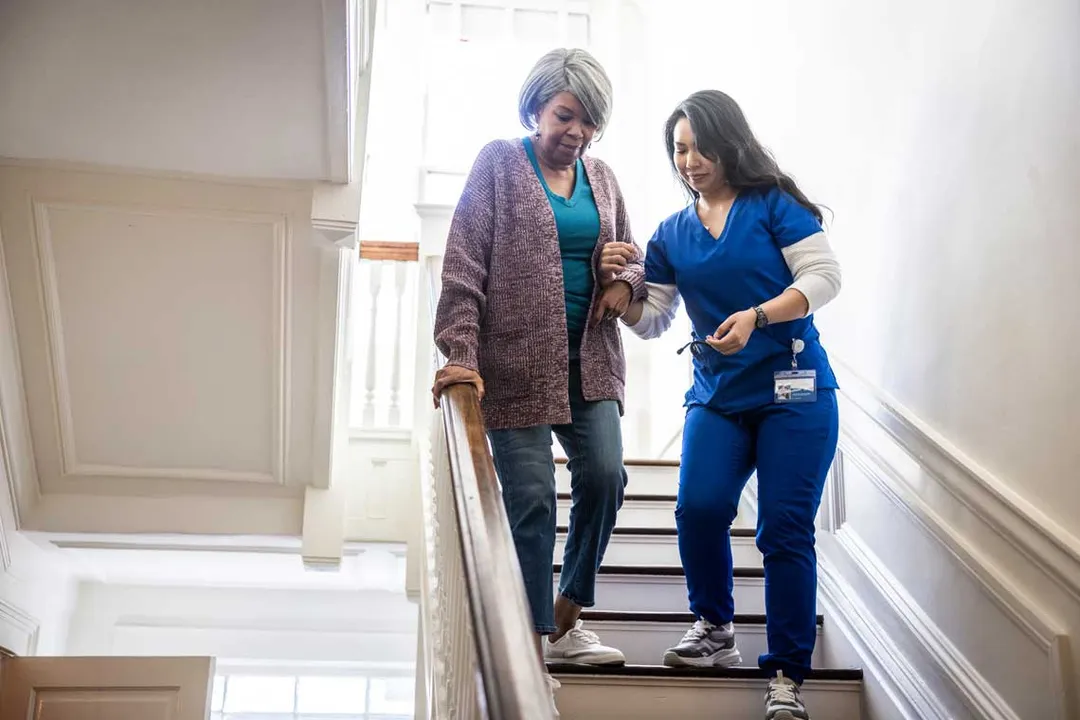
At its most basic, home health care involves skilled nursing services and therapeutic treatments administered in the patient's home. [1][9] For Medicare purposes, receiving these services requires a physician to certify that the patient is homebound and requires intermittent skilled care. [1][9] Intermittent means the care is provided for a limited time, which can be hours per day or several days per week, depending on the need. [1] It is essential to distinguish this medical-focused care from custodial care, which involves help with Activities of Daily Living (ADLs) like bathing or dressing and is generally not covered by Medicare when it is the only service needed. [1][9]
When home health care is deemed necessary, the services are typically short-term following a hospital stay or an acute illness. [2] The goal is often rehabilitation—helping a person return to their previous level of functioning. [2] For instance, following surgery, a patient might need skilled nursing to manage a wound dressing change or physical therapy to regain mobility. [3] Medicare generally covers this short-term skilled care if the patient meets the criteria for homebound status and the physician has ordered the service. [1][9]
# Services Offered
The array of services available under the umbrella of home health care is broad, covering everything from highly technical medical procedures to assistance with daily living tasks, depending on the plan of care and payer coverage. [3]
# Skilled Treatments
Skilled nursing care forms the backbone of medically necessary home health services. [2][8] A registered nurse (RN) or licensed practical nurse (LPN) may perform tasks that require clinical expertise. This can include intravenous (IV) therapy management, injections, and monitoring vital signs and symptoms of a complex condition. [3][7] Furthermore, nurses often play a teaching role, educating the patient and their family members on managing new medications, operating medical equipment, or recognizing warning signs that necessitate a call to the doctor. [7]
Therapeutic services are also central to the recovery process. These professionals work to restore function and independence:
- Physical Therapy (PT): Focuses on improving mobility, strength, and balance, which is critical after injuries or surgeries. [3]
- Occupational Therapy (OT): Helps patients relearn or adapt to daily tasks, such as dressing, bathing, or preparing meals, enabling them to function as independently as possible. [3]
- Speech-Language Pathology: Addresses communication difficulties or swallowing problems, often resulting from strokes or neurological events. [3]
# Support Aids
While skilled professionals manage the clinical side, aides provide essential non-skilled support, often referred to as personal care. [2] Home health aides assist with personal care needs such as bathing, grooming, feeding, and light housekeeping related to the patient's well-being. [3][6] These are the personnel who help maintain a routine and dignity for the patient day-to-day. [6] It is important to note that Medicare generally limits the coverage of these aide services unless they are provided concurrently with a covered skilled service. [1] Private pay or long-term care insurance policies are more likely to cover extensive custodial assistance. [2]

# Eligibility Rules
Accessing formalized, often covered, home health care relies on meeting specific requirements dictated primarily by federal programs like Medicare, though private insurance policies often mirror these criteria. [1][9] A primary barrier for many seniors is the homebound status requirement. [1] Being homebound does not mean being entirely confined to bed; rather, it means the patient’s departure from home requires considerable and taxing effort, and that absences are infrequent or short, usually only for medical appointments. [1]
Beyond being homebound, the need for intermittent skilled services must be established. [1][9] This is a crucial distinction. If a person only needs an aide to help them dress in the morning, but no nurse or therapist needs to visit, they do not qualify for Medicare-covered home health care, even if they are homebound. [1] The physician must also certify that a plan of care is needed and periodically review and recertify the need for services. [1]
Consider the case of Mr. Henderson, who has chronic heart failure. He is able to manage his own medications but struggles with shortness of breath upon exertion. He qualifies because a nurse needs to visit twice a week to check his fluid retention and weight (skilled assessment) and a PT needs to visit three times a week to improve his stamina (rehabilitative therapy). The aide helping with laundry is secondary to the skilled care order. [9] Conversely, Ms. Chen, who is also homebound but only requires assistance bathing three times a week with no medical oversight needed, would typically not qualify for Medicare home health but might qualify for non-skilled private services. [1][2]
# Care Teams
The people providing home health care are diverse, each bringing a specific set of skills to the patient’s environment. [6][7] Understanding the difference between these roles helps families coordinate effectively.
# The Nursing Component
Home health nurses, whether RNs or LPNs, carry the clinical responsibility for coordinating patient care and performing complex tasks. [7] They bridge the gap between the doctor's orders and the daily reality of care. [4] They are trained to handle complex assessments, medication management, and documentation, ensuring that the patient’s condition is tracked accurately over time. [7] Their presence guarantees that acute medical needs can be addressed safely outside a hospital setting. [4]
# Aide Responsibilities
Home health aides and personal care aides focus on maintenance and support. [6] Their primary function is to assist with Activities of Daily Living (ADLs). [3] While these roles do not require the extensive clinical training of a nurse, they require immense patience, reliability, and physical stamina. [6] Aides often spend the most consistent time with the patient, making them valuable observers of subtle changes in the patient’s mood or physical status, which they must then report back to the supervising nurse. [6]
If we look at the necessary skill sets, there is a necessary tension: the clinical specialist (nurse) must trust the frontline caregiver (aide) to report accurately, while the aide must understand the boundaries of their certification—they administer no medication or complex treatments, focusing instead on personal maintenance. [4][6] An effective agency ensures clear communication protocols exist so that a small report from an aide about a patient seeming excessively drowsy reaches the RN quickly for follow-up assessment. [7]

# Patient Benefits
The most celebrated aspect of home health care is the qualitative improvement it brings to the patient’s experience. Being treated at home offers tangible advantages over institutional settings. [8]
# Comfort and Recovery
The psychological benefit of recovering in a familiar environment cannot be overstated. [8] Familiar surroundings, including personal bedding, familiar smells, and access to family and pets, can significantly reduce stress and anxiety, which in turn can positively influence the healing process. [2] Furthermore, receiving care in one's own home often leads to better adherence to treatment plans because the patient is more comfortable and engaged in their own space. [8]
# Reducing Rehospitalization Risk
A well-executed plan of home health care is specifically designed to stabilize a patient following an acute episode, significantly lowering the risk of a quick return to the hospital. [2] Nurses monitor closely for warning signs, and therapists ensure the patient establishes safe routines for movement and self-care before the intermittent skilled services end. [3][7] For instance, if a patient is discharged after pneumonia, the home health team can ensure they are taking antibiotics correctly and following breathing exercises, preventing minor setbacks from escalating into emergency readmissions. [9]
# Safety Considerations
While home health care is largely beneficial, safety must be a dual consideration—for the patient and the provider. [5] For the worker, OSHA standards emphasize safe patient handling to prevent musculoskeletal injuries, which are common in this field due to lifting or transferring patients without proper equipment or training. [5] This means agencies need to prioritize providing mechanical aids and ensuring staff receive ongoing ergonomic training. [5] From the patient’s perspective, the home must be assessed for fall risks, something a home health professional will routinely check for during initial visits. [2] Ensuring clear pathways, adequate lighting, and addressing trip hazards becomes part of the care planning, creating a safer environment for everyone involved. [5]
# Funding Home Support
Understanding how home health services are paid for is key to accessing them. [1][9] For most, Medicare is the primary payer for skilled services, provided the eligibility criteria mentioned earlier are met. [1] However, Medicare generally does not cover long-term personal care or custodial needs unless skilled services are also being delivered. [1]
Private insurance, Medicaid, and long-term care insurance policies may have different rules, often covering more personal assistance hours or providing coverage for longer durations than Medicare. [2] A fascinating point to consider regarding financial models is the inherent efficiency of home care when compared to facility stays. While an extended stay in a skilled nursing facility (SNF) can cost thousands per week, well-coordinated, intermittent home care keeps patients healthier, often limiting the need for costly inpatient days, making it a cost-effective intervention when measured against institutionalization for managing stable chronic conditions. [9] When comparing the cost structures, the private pay option for non-skilled services can range significantly based on geographic location and the required intensity of assistance, emphasizing the need for clear upfront budgeting discussions with the agency. [2]

# Preparing for Care
For families preparing to bring a loved one home, proactive preparation ensures the transition goes smoothly and the care plan is immediately effective. [8] Creating a centralized binder for all medical information, including medication lists, doctor contacts, and insurance details, is a vital first step. [7] Organizing the home environment is equally important; ensuring necessary medical equipment (like walkers or shower chairs) is in place before discharge prevents delays in starting therapy once the care team arrives. [3] It also helps to establish clear expectations with the agency about the scheduling, understanding that visits might sometimes run slightly late due to the unpredictable nature of care that unfolds in patient homes. [4]
Related Questions
#Citations
Home Health Services Coverage - Medicare
Home Health Care 101: Frequently Asked Questions
Types of Home Health Care Services | Johns Hopkins Medicine
Home Care: More Than Just A Visiting Nurse - PMC - NIH
Home Healthcare - Overview | Occupational Safety and Health ...
Home Health and Personal Care Aides - Bureau of Labor Statistics
What Does a Home Health Nurse Do? - Utica University ABSN
What Is Home Health Care?
[PDF] Medicare and Home Health Care - CMS