Is it healthy to have acai every day?
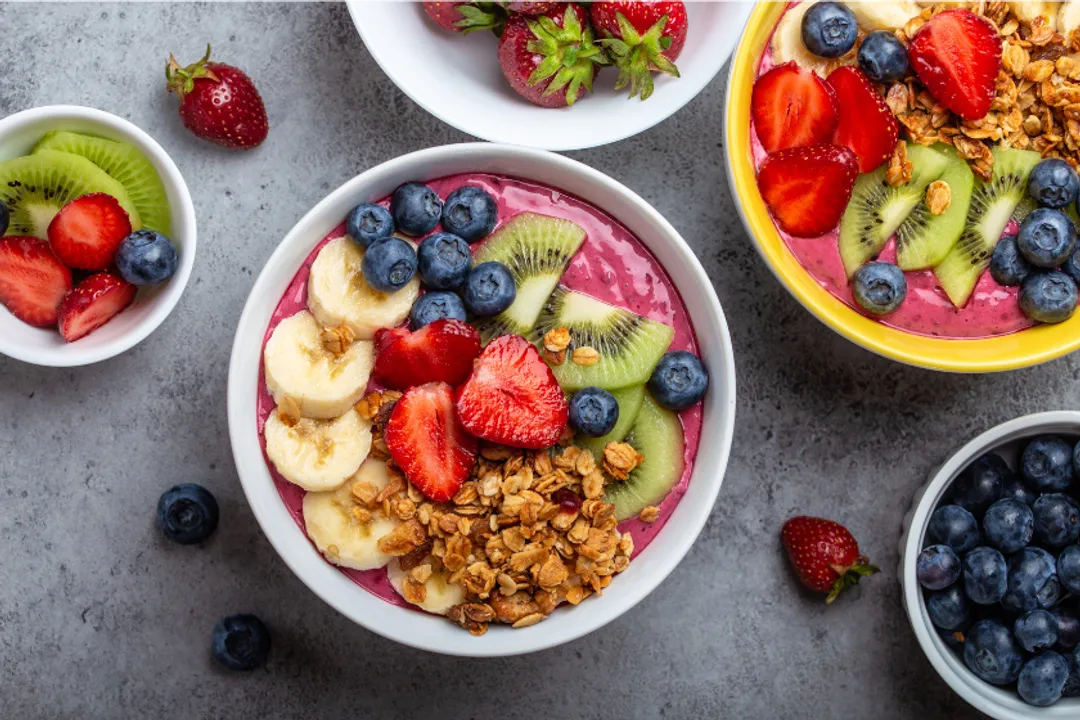
The allure of the bright purple, refreshing acai bowl is undeniable, often positioning itself as the ultimate health food. Many people, drawn by its reputation as a superfruit, wonder if making this vibrant dish a daily ritual is truly beneficial for long-term wellness. The answer, much like the fruit itself, is layered and depends heavily on the preparation method rather than the berry alone. [1][3] Pure, unsweetened acai pulp offers significant nutritional advantages, but the common commercial bowl frequently transforms it into something closer to a high-sugar dessert. [3][4]
# Berry Basics
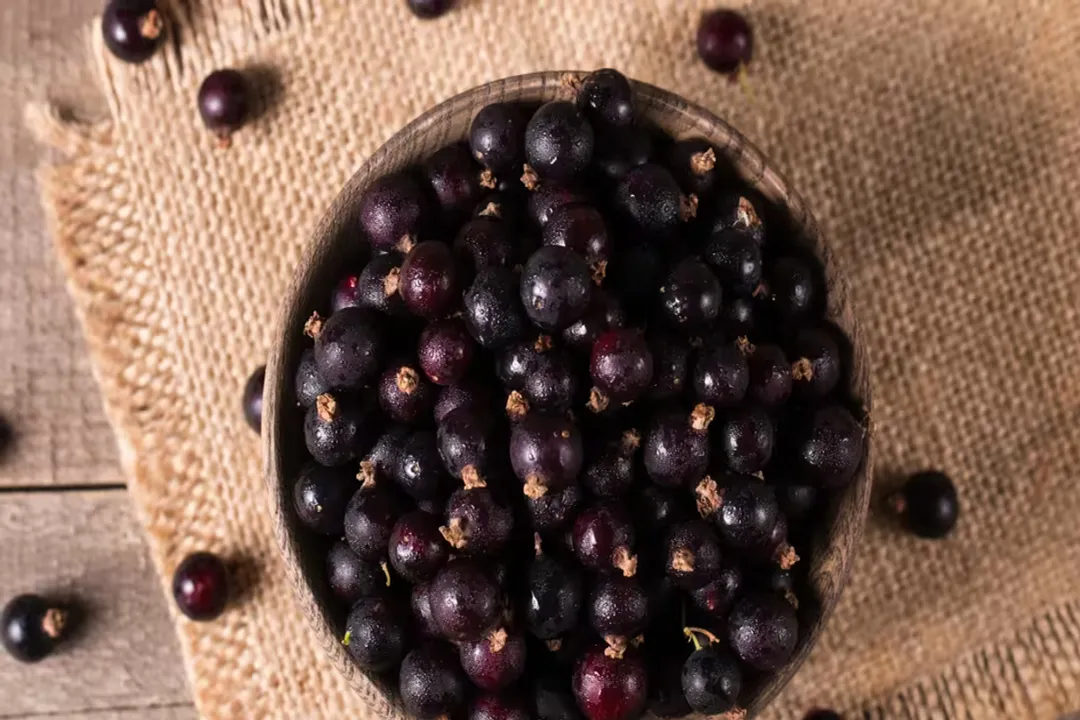
Acai berries hail from the acai palm tree native to Central and South America, particularly the Amazon region. [2][6] In their natural state, these small, dark purple fruits are a staple in the diets of Amazonian populations. [5] They are technically a drupe, similar to cherries or olives, rather than a traditional berry. [6] When considering eating them every day, it is crucial to look past the hype surrounding the finished product and focus on the raw ingredient itself. [5]
# Nutrient Profile
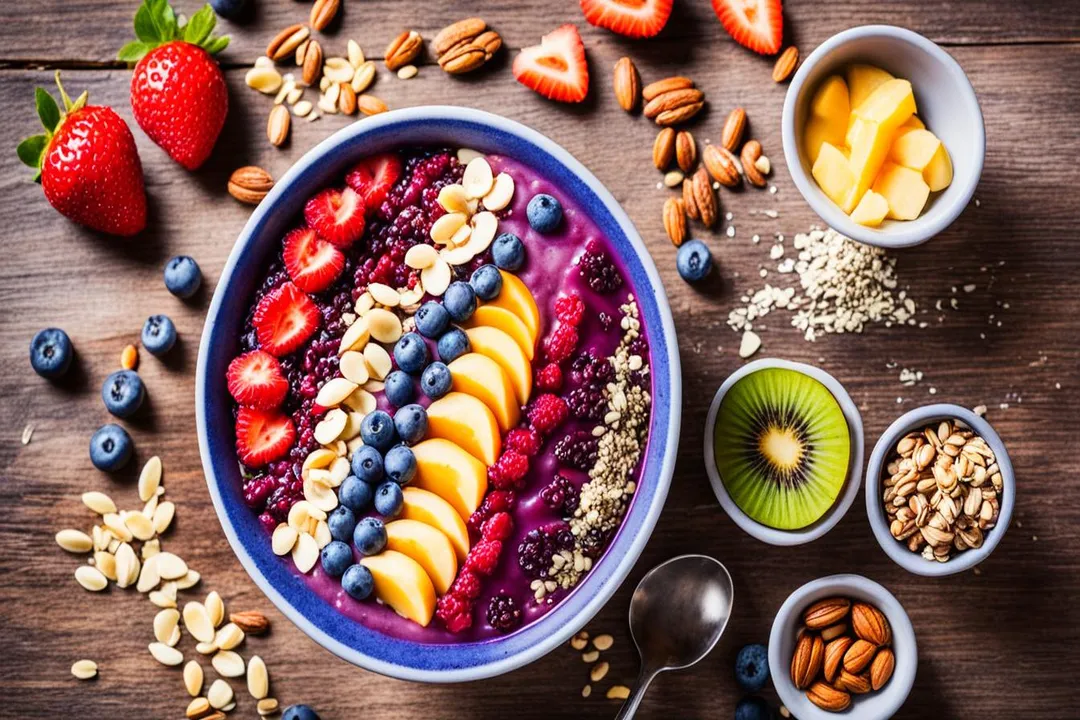
The health reputation of acai is well-earned when discussing the pulp or unsweetened puree. Acai is celebrated for its high concentration of antioxidants, specifically anthocyanins, which give the fruit its deep color. [2][8] These compounds help combat oxidative stress in the body. [8] Furthermore, acai stands out because it contains healthy fats, including oleic acid, the same monounsaturated fat found in olive oil. [2][6]
While often praised for being low in sugar naturally, the pure unsweetened frozen acai puree typically contains only about 2 grams of sugar per 100-gram serving. [5] It also provides dietary fiber, which aids in digestion and satiety. [2] If one were strictly consuming this pure form, incorporating it daily would be quite easy to justify nutritionally. [5]

# Daily Concerns
The main sticking point for daily consumption arises when acai transitions from a simple fruit extract to a pre-made bowl or smoothie. What starts as a nutrient-dense base can quickly become nutritionally unbalanced. [1][4] Many commercial preparations use frozen acai blended with large amounts of other high-sugar ingredients to create a thick, scoopable texture that consumers expect. [1][3]
Consider the typical difference: a small, pure 100g serving of acai pulp might hover around 70 calories with minimal sugar. [5] In contrast, a standard 16-ounce bowl sold in many shops can easily contain upward of 60 grams of sugar, sometimes significantly more, depending on the add-ins. [1] This level of daily sugar intake, derived from multiple sources within one meal, moves the dish out of the realm of a daily health food and firmly into the category of an occasional treat. [9]
# Added Sugar
The sugar content is the primary factor determining whether daily acai consumption is healthy or harmful. [1][3] The culprit is rarely the acai itself, but what surrounds it.
The following elements commonly found in prepared acai bowls contribute substantial, easily overlooked sugar:
- Base Liquid: If the frozen acai is blended with fruit juice (like apple or grape juice) instead of water or unsweetened milk, the sugar load increases immediately. [1][4]
- Added Sweeteners: Many recipes call for honey, agave syrup, or processed sugar to improve flavor or texture. [1][3]
- Toppings: Granola is often a significant sugar contributor, as are sweetened coconut flakes or dried fruits. [1][4]
When you stack these components, a single bowl can deliver the sugar equivalent of several donuts, which is certainly not advisable for daily consumption if weight management or blood sugar stability is a goal. [1][9]
# Preparation Control
If someone is determined to enjoy acai frequently, the key lies in taking complete control over the ingredients. This shifts the experience from relying on external preparation standards to self-managed nutrition. [5]
# Ingredient Audit
When preparing acai at home, you can consciously engineer the meal to align with daily nutritional needs. A helpful, quick check before you blend or buy could be an "Acai Audit." First, verify the base: is it pure, unsweetened acai, or is it pre-sweetened? Second, limit liquid mixers to unsweetened options like plain water, unsweetened almond milk, or a small amount of plain yogurt. Third, scrutinize the topping strategy: for daily intake, prioritize nutrient-dense, low-sugar additions like chia seeds, hemp seeds, or slivered almonds over processed granola or banana slices, which add quick carbohydrates. [4]
# Creating Healthier Versions
Making acai a healthy daily habit means minimizing the refined sugar and maximizing the healthy fats and fiber. One practical approach involves treating the acai portion size as a supplement rather than the entire meal. [5]
Instead of aiming for a massive, cereal-bowl-sized serving, consider blending a small, single-serving packet (around 100g) of unsweetened frozen acai with a handful of spinach (which adds bulk and nutrients without significant sugar) and a source of protein, like a scoop of unflavored collagen or protein powder. [5] This method keeps the sugar low, boosts the satiety factor with protein, and ensures you still get the antioxidant benefit without the massive caloric load. [1]
If you enjoy the texture of a thick bowl, blending with frozen cauliflower rice or zucchini chunks (yes, really) instead of high-sugar fruits like mango or banana can provide that satisfying thickness while dramatically reducing the glycemic impact for regular consumption. [4] This substitution is an easy way to enjoy the sensory experience of a bowl daily without compromising daily sugar budgets. [6]
# Acai Frequency
For the average person with no specific health concerns, enjoying a properly prepared, low-sugar acai bowl or smoothie a few times a week is likely a wonderful addition to the diet. [9] However, transitioning to every day pushes the limits on how much concentrated fruit sugar and calories the body can effectively process in the long run, even if the fruit base is superior to, say, a daily donut. [1][3]
If daily consumption is non-negotiable, treat the acai base as the vehicle for fiber and fats, not as the main source of your carbohydrate intake for that meal. If you find yourself eating a large, heavily topped bowl every morning, it might be better to reserve that preparation style for weekend treats and switch to a smaller, protein-boosted acai smoothie on weekdays. [4] Ultimately, the long-term health of eating something daily is about balance and consistency; pure acai supports balance, but the typical bowl often sabotages it. [6]
Related Questions
#Citations
Are Acai Bowls Healthy? Here's What a Dietitian Says - EatingWell
Acai Berries and Berry Juice: Health Benefits and Side Effects
Is Eating Acai Bowl Every Day Bad? Pros, Cons and Tips - Greatist
Food for Thought – Are Acai Bowls Healthy? - GatorCare
Is it okay to eat acai every day?
Is Acai Healthy? What You Need to Know - Kroma Wellness
Healthy or Not? Acai Bowls - New Jersey Bariatric Center
4 Benefits of Acai Berries - Cleveland Clinic Health Essentials
I eat an acai bowl pretty much every day. Is this healthy or ... - Quora