Do bell peppers detox your body?

The idea that specific foods can "detox" your body often stems from marketing rather than biology. Your body already possesses a sophisticated detoxification system managed primarily by the liver, kidneys, and digestive tract. [2][5] While a single vegetable cannot replace these organ functions, bell peppers act as supportive agents. They provide the vitamins, minerals, and antioxidants required to keep these internal systems operating effectively. [4][9] Instead of acting as a "cleanse," bell peppers provide the raw materials your body needs to maintain its natural processes.
# Detox Reality

When people speak about detoxing, they often imply a rapid flush of toxins. From a physiological perspective, the liver and kidneys do this work constantly, regardless of what you eat. However, the nutrients found in bell peppers—specifically antioxidants—protect cells from the oxidative stress that can accompany metabolic processes. [4]
Rather than thinking of bell peppers as a "flush," it is more accurate to view them as protective partners. They are high in compounds like quercetin and luteolin, which assist in neutralizing free radicals. [4][9] When your body manages metabolic waste, it produces free radicals; antioxidants are the tools that neutralize these molecules before they cause cellular damage. [9] By eating nutrient-dense vegetables, you provide the necessary defense mechanisms for your body to perform its natural filtering duties without interruption. [5]
# Nutrient Profile
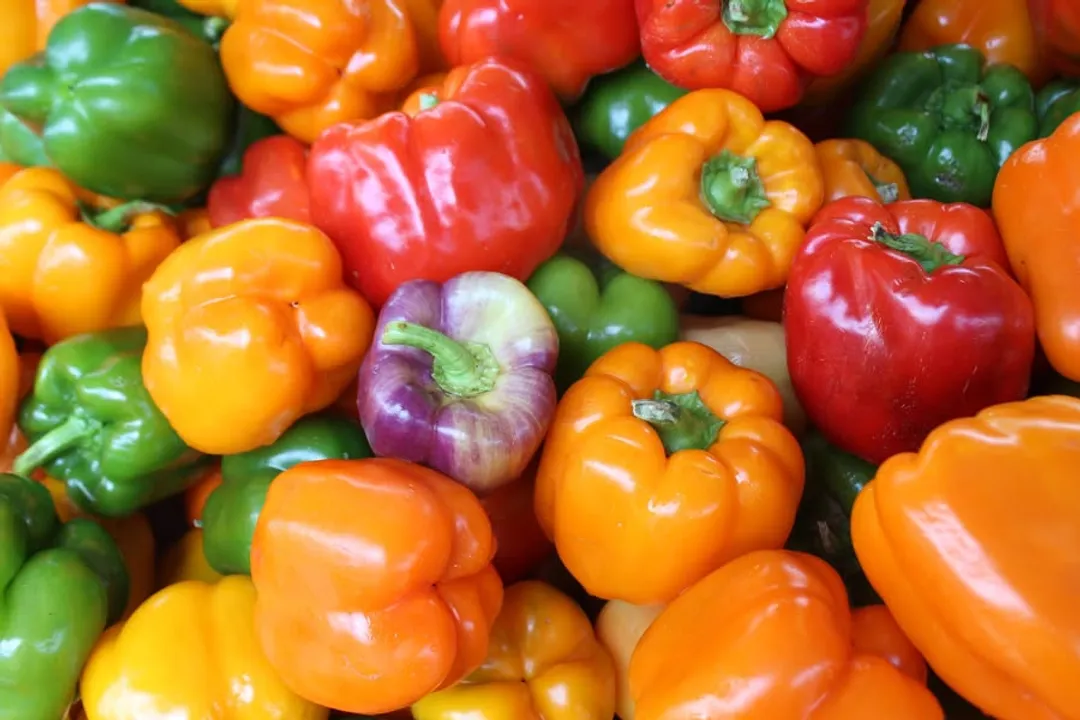
Bell peppers are nutritional workhorses. They are low in calories but dense in essential vitamins and minerals, making them a dense source of daily nutrition. [1][5]
- Vitamin C: This is perhaps the most notable nutrient in bell peppers. A single red bell pepper can contain more vitamin C than an orange, providing well over the recommended daily amount. [2][9]
- Vitamin A: Found primarily in the form of beta-carotene, which is crucial for vision and immune health. [8]
- Vitamin B6: Essential for the formation of red blood cells and maintaining healthy brain function. [1]
- Potassium: Helps regulate fluid balance and blood pressure. [9]
- Fiber: Essential for digestive health and blood sugar management. [5]
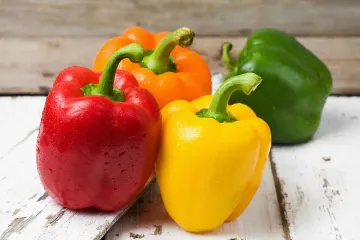
The specific nutrient density varies significantly based on the color of the pepper. Green peppers are harvested earlier, which affects their chemical composition. Red, yellow, and orange peppers remain on the vine longer, allowing them to develop higher concentrations of carotenoids and sugars. [3][8]
| Nutrient | Green Bell Pepper | Red Bell Pepper |
|---|---|---|
| Vitamin C | High | Very High |
| Vitamin A | Moderate | High |
| Flavor Profile | Bitter/Vegetal | Sweet/Fruity |
| Antioxidants | Moderate | High |
# Antioxidant Power
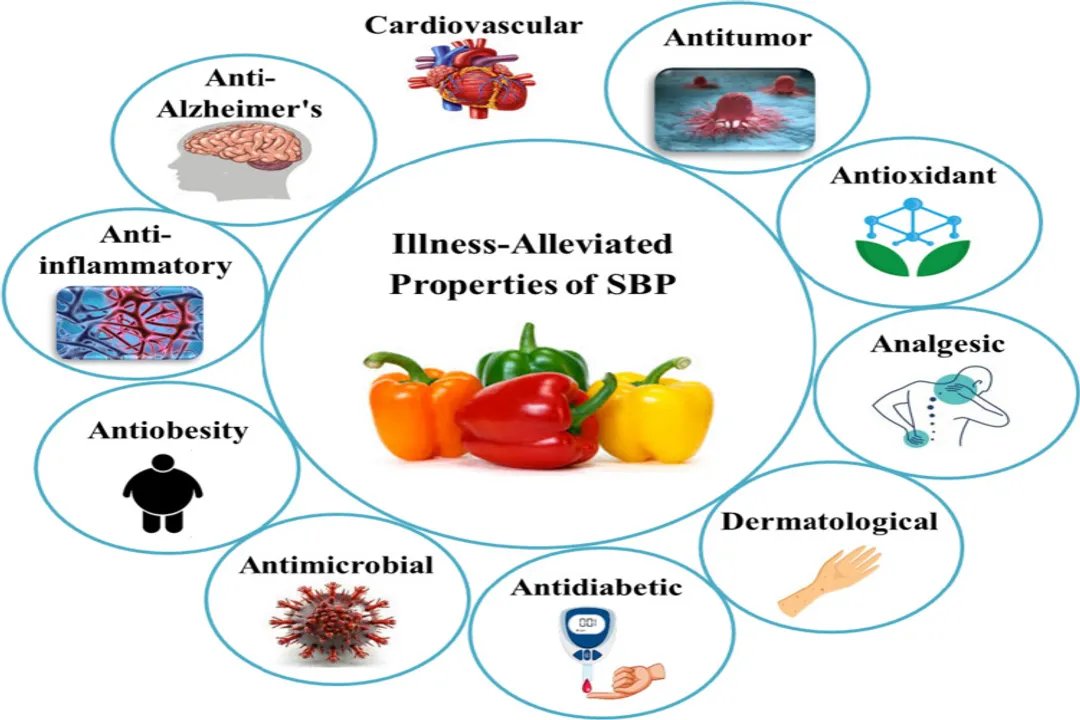
The health benefits of bell peppers are largely tied to their vibrant colors, which signal the presence of different phytonutrients. [4] These compounds go beyond basic nutrition; they act as molecular defenders. [10]
Carotenoids are responsible for the red, yellow, and orange hues in these peppers. Notable types include capsanthin (mostly in red peppers), violaxanthin, and lutein. [4] These pigments are not just for color; they are potent anti-inflammatory agents. [8] Inflammation is a natural response to injury or infection, but chronic inflammation is where health risks escalate. By consuming foods rich in these antioxidants, you provide the body with the resources to manage inflammation, which is a major part of keeping your internal "filter" systems like the liver clear of unnecessary stress. [9]
Lutein and zeaxanthin are particularly important for eye health. [3][5] Research suggests these compounds accumulate in the retina, potentially shielding the eyes from blue light and oxidative damage. [8] While this does not qualify as a "detox," it is a direct example of how these vegetables protect bodily tissues from environmental wear and tear.
# Health Impacts
Because bell peppers are rich in diverse nutrients, they influence several bodily systems simultaneously. [2]
Immune System Support
The combination of vitamin C and vitamin A is vital for a robust immune response. [2] Vitamin C acts as a cofactor in immune cell function, helping white blood cells combat pathogens. [1] When you are stressed or fighting minor ailments, your body uses vitamin C at a faster rate, making high-quality sources like bell peppers a practical addition to your diet. [9]
Heart Health
Bell peppers contain substances that may help manage cholesterol and blood pressure. [5] The fiber content helps maintain healthy cholesterol levels, while the potassium content assists in relaxing blood vessels, which can improve blood flow. [8][9] Consistent intake of these vegetables is associated with lower risks of heart-related issues, largely due to this combination of fiber and anti-inflammatory compounds. [2][8]
Blood Sugar Management
Fiber is a key component of bell peppers. [1] It slows the absorption of sugar into the bloodstream, preventing the rapid spikes that can stress your metabolic system. [5] If your goal is to support your body's ability to regulate its own energy and waste, stabilizing blood sugar is far more effective than any temporary liquid diet or "detox" regimen. [1]
# Preparation Tips
How you prepare bell peppers dictates how much of their nutrition you actually get. Because vitamins like C are water-soluble and heat-sensitive, the way you cook them matters. [6]
- Raw Consumption: If you want the maximum amount of Vitamin C, eat them raw. [10] Slicing them for salads or using them as a crunchy snack preserves the vitamin content that might otherwise leach into cooking water or break down under high heat. [6]
- Light Cooking: Interestingly, cooking can sometimes improve the availability of certain nutrients. Carotenoids, for instance, are fat-soluble. Roasting or sautéing peppers with a small amount of healthy fat—like olive oil—can actually help your body absorb those specific antioxidants more efficiently than eating them completely raw. [4][10]
- Storage: Keep them in the vegetable drawer of your refrigerator. To maintain their texture and nutrient density, avoid washing them until you are ready to use them, as excess moisture on the skin can accelerate spoilage. [7]
A simple way to maximize intake is to treat them as a staple, not a garnish. Instead of just adding a few strips to a salad, use them as a base for meals. They can serve as a crunch element in place of less nutritious chips or crackers, or as a vessel for hummus and other healthy dips. [7][10]
# Color Choice
An often overlooked aspect of nutrition is the "color gradient" in produce. You might notice that green peppers are often less expensive than red, yellow, or orange ones. This is purely a function of time; green peppers are just red peppers that were picked before they fully ripened. [3]
This ripening process is where the "nutritional maturity" happens. As the pepper turns from green to red, the chlorophyll breaks down and is replaced by high concentrations of carotenoids and anthocyanins. [4] If you are looking to maximize your antioxidant intake, opting for red, orange, or yellow peppers is objectively better than sticking to green ones, even though all are healthy. [8][9]
However, green peppers have their own value. They contain slightly different phenolic compounds and often have a more bitter, herbaceous flavor that balances out richer meals. [3] A strategy for a diverse diet is to rotate colors throughout the week. By eating a variety of colors, you ensure that you are getting the full spectrum of phytochemicals the plant has to offer, rather than focusing on just one type of antioxidant. [4][9]

# Digestion Insight
While bell peppers are generally healthy, they contain certain compounds that some people find difficult to digest, particularly the skins. If you find that peppers cause bloating or discomfort, it is likely the tough outer skin, not the pepper itself.
A practical fix is to roast the peppers and peel the skins. This simple step makes the fiber more manageable for sensitive stomachs while keeping all the flesh and nutrients intact. [6] Additionally, if you are focusing on "cleansing" or detoxifying, ensure you are pairing these peppers with adequate water intake. Fiber requires water to move effectively through the digestive tract; eating fiber-rich vegetables like bell peppers without enough hydration can lead to the very digestive sluggishness you might be trying to avoid. [5]
By treating bell peppers as a foundational element of your daily diet, you provide your body with the tools it needs to sustain itself. They do not perform a "detox" in the medicinal sense, but they perform the much more important task of supplying the building blocks for your body's natural maintenance systems. [2][4] Focusing on these nutrient-dense staples is a more effective long-term strategy for health than looking for short-term fixes.
Related Questions
#Citations
What Happens to Your Body When You Eat Bell Peppers - EatingWell
Health Benefits of Bell Peppers
6 Surprising Benefits of Green Peppers - Healthline
Sweet Bell Pepper: A Focus on Its Nutritional Qualities and Illness ...
Eating Peppers: Ingredients, Benefits, and Prep Tips - WebMD
The Health Benefits of Bell Peppers | AANMC
Fun Farm Fact: Bell peppers are great in everything from stir fry to ...
4 Benefits of Eating Bell Peppers Regularly - Health
Bell peppers: Benefits, risks, cooking, and more - Medical News Today
Superfood of the Week-Sweet Bell Peppers - Cuisine for Healing