Are there natural solutions for pain relief?

Many people seek ways to manage discomfort without immediately reaching for over-the-counter or prescription medications, leading to a growing interest in natural pain relief options. This approach often centers on lifestyle adjustments, targeted physical activities, and specific nutritional or herbal support designed to address the root causes of pain or modulate the body’s response to it. [3][9] While not every remedy works for every individual or every type of pain—whether it's acute flare-ups or persistent chronic conditions like arthritis—a wide spectrum of evidence-backed, non-pharmacological strategies exists that can significantly improve quality of life. [1][5] The effectiveness of these methods frequently relies on consistency and a personalized combination, recognizing that pain management is rarely a one-size-fits-all endeavor. [4]
# Movement Matters

Incorporating specific types of physical activity is frequently highlighted as a powerful natural tool against various types of pain, particularly for joint and muscle issues. [1][5] For conditions like arthritis, gentle movement helps keep joints lubricated and the surrounding muscles strong, which reduces the load placed on the affected joint surfaces. [5] It is essential to distinguish between activity that helps and activity that harms, which is where professional guidance, such as from a physical therapist, can be invaluable. [3]
# Physical Therapy
Physical therapy itself is often considered a natural remedy because it focuses on restoring function and reducing pain through mechanical means rather than chemicals. [3] Therapists develop custom programs that might include targeted strengthening exercises, flexibility training, and education on proper body mechanics to prevent re-injury or chronic strain. [1] For lower back pain, specific exercises designed to stabilize the core muscles can provide substantial, long-term relief by supporting the spine more effectively during daily activities. [6]
# Low Impact Exercise
When considering exercise for pain, low-impact options are usually recommended to avoid aggravating inflamed or injured areas. [1] Activities such as swimming, water aerobics, or cycling place less stress on the joints compared to high-impact exercises like running. [5] For general chronic pain, simply increasing daily movement—even a consistent short walk—can be beneficial. [1] This concept extends to stretching; maintaining range of motion through regular stretching routines can prevent muscles from tightening into painful knots, a common issue in tension headaches or neck stiffness. [8] When considering starting a new routine, especially for chronic pain, assessing the immediate post-exercise feeling is crucial; mild soreness is often acceptable, but sharp or increasing pain suggests the activity level or type needs immediate adjustment.
# Mind Body
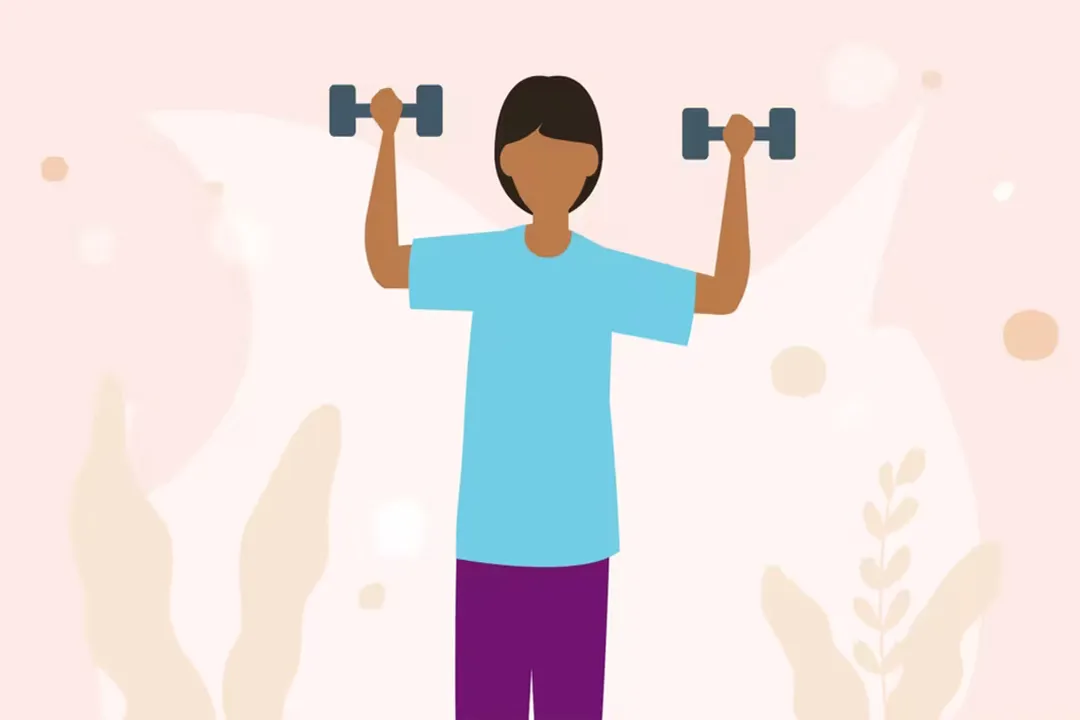
The connection between the brain and the body plays a significant role in how pain signals are perceived and managed. [4] Stress, anxiety, and depression can amplify the sensation of pain, making even minor discomfort feel overwhelming. [9] Addressing the mental and emotional components of pain is therefore a key part of a natural pain relief strategy. [1]
# Stress Reduction
Techniques focused on relaxation can lower the body's overall stress response, which in turn can dampen pain signals. [4] Deep breathing exercises, for example, are simple yet effective tools for calming the nervous system quickly when pain flares up. [9] Meditation and mindfulness practices teach individuals to observe their pain sensations without reacting with fear or immediate distress, which can reduce the suffering associated with the pain, even if the physical sensation remains the same. [4][7] Spending time in nature has also been associated with reduced stress levels, which can indirectly support pain management efforts. [1]
# Cognitive Techniques
Cognitive Behavioral Therapy (CBT), while often administered by a professional, incorporates principles that people can apply themselves to reframe their thoughts about pain. [4] Learning to shift focus away from the constant monitoring of pain, or challenging catastrophic thoughts about the pain's progression, can give individuals a greater sense of control. [7] This sense of agency is a powerful, non-pharmacological analgesic effect in itself. [4]

# Dietary Adjustments
What we consume directly impacts systemic inflammation, which is a driver for many types of pain, especially those related to arthritis or muscle soreness. [5][6] Adjusting the diet is a foundational, long-term natural intervention. [1]
# Anti-Inflammatory Focus
The goal for many chronic pain sufferers through diet is to reduce the intake of foods known to promote inflammation while increasing those that actively combat it. [5] Foods high in refined sugars, processed carbohydrates, and excessive unhealthy fats can contribute to a pro-inflammatory state in the body. [5] Conversely, a diet rich in fruits, vegetables, nuts, seeds, and fatty fish provides necessary antioxidants and healthy fats that help regulate the body’s inflammatory response. [5]
# Specific Nutrients
Omega-3 fatty acids, commonly found in fish oil supplements or fatty fish like salmon, are particularly noted for their anti-inflammatory properties, which can be beneficial for conditions like rheumatoid arthritis. [5][6] Furthermore, incorporating spices like turmeric, which contains curcumin, is a popular strategy due to its documented anti-inflammatory effects. [2][5] While these food-based changes take time to show measurable effects—often several weeks or months—their cumulative benefit often surpasses that of short-term fixes. [4]
| Dietary Component | Potential Benefit for Pain | Common Sources/Forms | Onset Time |
|---|---|---|---|
| Omega-3s | Reduces systemic inflammation | Fatty fish, flaxseed, fish oil supplements | Weeks to Months |
| Turmeric/Curcumin | Blocks inflammatory pathways | Spice, standardized extract supplements | Weeks |
| Antioxidants (Vitamins C & E) | Neutralizes damaging free radicals | Berries, colorful vegetables | Ongoing Daily |
| Refined Sugars/Processed Foods | Avoidance to lower inflammatory baseline | Sodas, white bread, packaged snacks | Immediate Avoidance, long-term benefit |
| [5][6] |
# Topical Aids
For localized pain, applying specific substances or temperatures directly to the affected area can provide more immediate relief than systemic approaches. [3]
# Heat and Cold
The simple application of temperature remains a first-line natural treatment for pain management. [9] Cold therapy, such as applying an ice pack, works by numbing the area and decreasing blood flow, which helps reduce swelling and acute pain, making it ideal for recent injuries or acute inflammation. [3][10] Heat therapy, conversely, increases blood flow to the area, which helps relax tight muscles and soothe chronic aches, often proving more effective for stiff joints or muscle spasms. [3][9] A useful practice for managing flare-ups, especially for musculoskeletal pain, is alternating between short periods of cold (e.g., 15 minutes) followed by warmth (e.g., 20 minutes), provided there are no contraindications from a medical professional.
# Natural Topical Agents
Certain natural compounds can be applied externally to interact with local nerve endings or reduce surface inflammation. [2] For instance, capsaicin, derived from chili peppers, initially causes a warming sensation but can ultimately decrease pain signaling when applied repeatedly over time by depleting Substance P, a chemical responsible for sending pain messages to the brain. [2] Furthermore, applying essential oils like peppermint or lavender, often through massage, can provide soothing effects, with peppermint oil containing menthol, which has a cooling effect that can temporarily relieve localized pain. [2][9]

# Herbal Supplements
Beyond whole foods, concentrated herbal extracts are widely used for pain relief, though it is critical to approach them with caution regarding dosage and potential interactions. [6]
# Boswellia and White Willow Bark
Supplements derived from tree resins and bark have significant historical use and modern study for pain management. [2] Boswellia (frankincense), for example, contains boswellic acids known for potent anti-inflammatory action, often studied for osteoarthritis. [2][5] White willow bark is noteworthy because it contains salicin, a compound chemically related to aspirin, offering a natural source of pain relief, though it requires careful use, especially for those sensitive to NSAIDs. [2]
# Glucosamine and Chondroitin
These compounds are frequently recommended for joint pain, particularly osteoarthritis, as they are structural components of cartilage. [5][6] While evidence supporting their efficacy can be mixed or specific to certain patient populations, many individuals report improvement in joint comfort and function when taking these supplements regularly. [5][6] It's important to note that if a supplement like glucosamine is going to provide benefit, the effect is usually not immediate; consistency over several months is key to assessing its true impact. [6]
# Therapeutic Interventions
Several hands-on or energy-based alternative treatments are recognized for their role in managing chronic pain conditions, often by targeting underlying structural or energetic imbalances. [7]
# Acupuncture
Acupuncture involves inserting very thin needles into specific points on the body. [3] The theory behind its use suggests it helps stimulate the body to release natural pain-relieving chemicals, such as endorphins, and may also influence blood flow and nervous system activity. [3][7] It is frequently utilized for chronic low back pain, osteoarthritis, and tension headaches. [1][7] For chronic pain sufferers, acupuncture often requires a series of sessions to achieve lasting results, making it a commitment, but one that many find effective in reducing reliance on medication. [7]
# Massage Therapy
Therapeutic massage is highly effective for reducing pain caused by tight muscles, poor circulation, or structural imbalance. [3] By manipulating soft tissues, massage can increase blood flow, reduce muscle tension, and promote relaxation, thereby decreasing the perception of pain. [9] This technique is especially valuable when pain causes muscle guarding or compensatory patterns that put stress on other parts of the body. [1]
# Chiropractic Care
Chiropractic treatment focuses on the spine and nervous system, using spinal manipulation to relieve pain and improve function. [3] This method is commonly sought out for mechanical back and neck pain, where realignment or adjustment may alleviate pressure on nerves or surrounding tissues. [3][10]
# Comparing Relief Strategies
When looking at the array of natural options, it becomes clear that they operate on different timelines and mechanisms. An important distinction for patients is whether they need immediate symptom management or long-term structural improvement.
For acute, sudden pain (e.g., a sprain or sudden muscle spasm), interventions that affect local physiology quickly are best:
- Cold Packs for immediate numbing and swelling reduction. [3][10]
- Topical Menthol/Capsaicin for rapid surface cooling or heating sensation. [2]
- Deep Breathing/Relaxation for an instant nervous system override. [9]
For chronic, persistent pain (e.g., arthritis, chronic back pain), the focus must shift to systemic, preventative measures:
- Regular Low-Impact Exercise to maintain joint health. [5]
- Anti-Inflammatory Diet to lower baseline inflammation. [5]
- Consistency with Supplements like Omega-3s or Glucosamine (if chosen). [6]
It is helpful to view these approaches not as alternatives to be chosen instead of one another, but as layers of support. A person managing chronic knee arthritis might use daily glucosamine (supplement layer), adopt a Mediterranean-style diet (nutritional layer), walk three times a week (movement layer), and use ice after a long day (acute relief layer). [5][6] This multi-pronged strategy, incorporating elements from movement, diet, and bodywork, generally offers a more resilient path to pain management than relying on a single isolated remedy. [1][4]
# Considering Specific Populations
While many natural remedies apply generally, some considerations are specific to certain groups, such as children or the elderly. [10] For instance, when treating children's pain naturally, care must be taken regarding essential oil dilutions and the strength of herbal supplements, making approaches like gentle massage, supervised stretching, and temperature therapy often the safest starting points. [10] Similarly, older adults managing chronic conditions must ensure any supplement chosen does not interfere with existing medications for other health issues, necessitating a close review with a primary care provider. [6] Always consult a healthcare professional before introducing new supplements or beginning a rigorous new exercise regimen, especially when dealing with ongoing health conditions. [3][6]
# Water Therapy
Hydrotherapy, using water for healing, deserves special mention due to its unique ability to support the body while reducing gravitational stress. [1] Warm water therapy, often in a pool setting, allows individuals to perform range-of-motion exercises and strengthening work that might be too painful or difficult on dry land. [1][5] The buoyancy supports body weight, lessening the impact on weight-bearing joints like hips and knees, while the warmth offers muscle relaxation similar to a warm bath, making it an excellent modality for arthritis and fibromyalgia sufferers. [5] This environment lowers the perceived effort of exercise while maximizing the therapeutic benefit of movement.
# Conclusion
Finding natural solutions for pain relief is an active process requiring patience and self-awareness. It involves understanding which non-pharmacological tools target the specific source of discomfort, be it inflammation, muscle tension, or nervous system sensitization. [4][7] By integrating regular physical activity, thoughtful dietary choices, mind-body calming techniques, and targeted supplementary support—all while maintaining open communication with healthcare providers—individuals can often significantly reduce their reliance on other forms of pain management and reclaim a better quality of daily living. [1][9]
Related Questions
#Citations
8 natural ways to ease chronic pain | UnitedHealthcare
Natural Pain Relief: Boswellia, Turmeric, and More - Healthline
What are natural remedies for pain relief? - Nebraska Medicine
Natural Herbal Non-Opioid Topical Pain Relievers—Comparison ...
Natural Relief for Arthritis Pain
7 natural supplements that might relieve back, joint, and muscle pain
5 alternative treatments for chronic pain | UCLA Health
Top 12 herbs and other remedies for natural pain relief
7 Natural Remedies for Pain Relief
Natural Treatments for Pain Relief | Nicklaus Children's Hospital