Are people in Greenland healthy?

Greenland, the world’s largest island, presents a health narrative far more complex than its icy facade might suggest. While often perceived through the lens of pristine Arctic wilderness, the health status of its population reflects a unique interplay between indigenous traditions, rapid modernization, and the inherent logistical difficulties of life in a sparsely populated, remote territory. [5] Understanding the health of the Greenlandic people requires looking past simple metrics and delving into the specific challenges dominating their public health agenda, which often mirror those faced by many industrialized nations, albeit in a distinctly challenging setting. [1]
# Longevity Snapshot
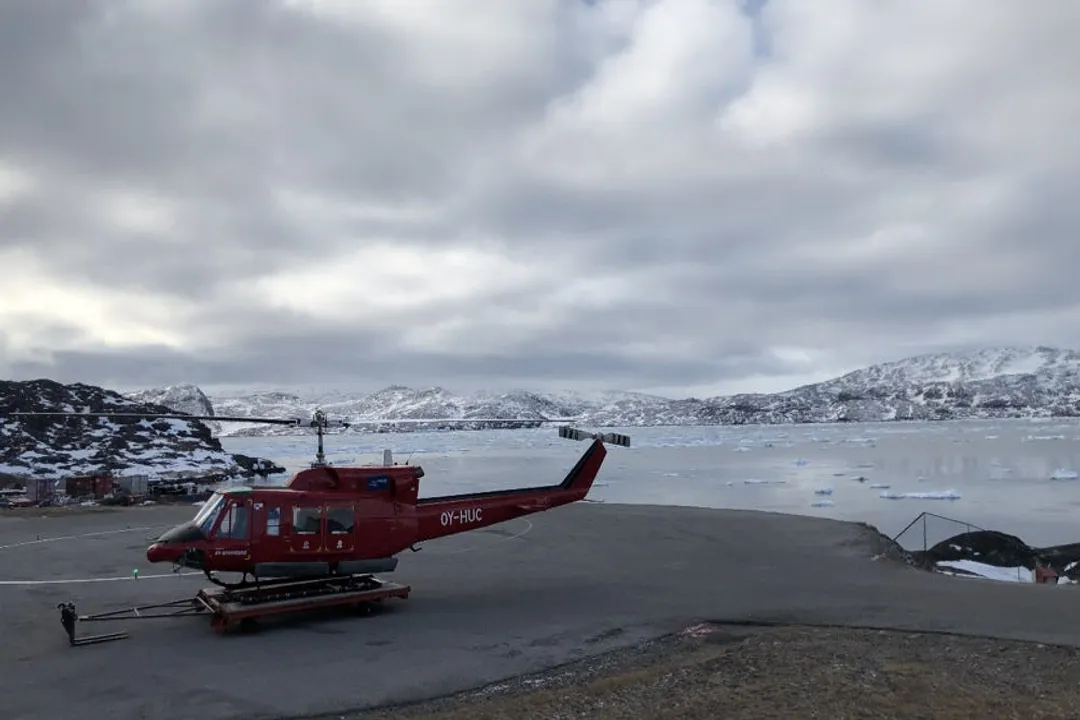
When assessing general health, life expectancy serves as a primary benchmark. Greenland’s figures place it somewhat ahead of other Arctic regions but still behind the benchmark set by its closest neighbor, Denmark. [1] While data can fluctuate, the general trend shows that Greenlandic residents typically live shorter lives than their Danish counterparts, highlighting significant underlying disparities in overall health outcomes and access to comprehensive care. [1] The causes for this gap are multifaceted, rooted in lifestyle factors and the structural organization of healthcare delivery across vast distances. [1]
# Modern Disease Burden
A striking feature of the contemporary Greenlandic health profile is the high prevalence of lifestyle-related, or non-communicable, diseases (NCDs). High rates of obesity and Type 2 diabetes are significant concerns, conditions often associated with dietary shifts away from traditional food sources toward more processed, imported goods. [1][6] This dietary transition represents a genuine public health paradox: environments traditionally associated with lean, nutrient-dense subsistence living are now grappling with Westernized patterns of caloric excess and poor nutrition. [6]
Tobacco use remains a major issue, with smoking rates being notably high. [1] The long-term consequences of smoking contribute substantially to cardiovascular and respiratory disease mortality, further impacting the overall life expectancy figures. [1] Compounding this, alcohol-related harm presents another substantial public health burden, requiring focused intervention strategies. [1][3]
For many readers accustomed to temperate climates and easily accessible grocery stores, the health implications of the Arctic supply chain are difficult to fully grasp. The reliance on imported, often pre-packaged or frozen foods, coupled with the high cost of fresh produce, can inadvertently push communities toward less healthy, but more accessible and affordable, staple foods. This logistical bottleneck essentially forces a health compromise upon residents, making public health interventions inherently more complex than simply providing dietary advice; it requires addressing economic and transport infrastructure first. [1]

# Mental Health Crisis
Perhaps the most acute area of concern within the Greenlandic health landscape is mental well-being. The territory has faced historically high rates of suicide, particularly among young men, which is a devastating indicator of deeper societal distress and mental health service gaps. [1] Factors influencing this are complex, tied to cultural shifts, social cohesion in small communities, and the difficulty in accessing specialized psychological and psychiatric support. [4]
The government and health authorities recognize the critical nature of this issue. In response, there has been a clear focus on strengthening mental health services, often involving international cooperation. [3] The World Health Organization’s Regional Office for Europe, for instance, has entered into a landmark agreement to support Greenland in bolstering its health system, with mental health explicitly named as a priority area. [3] The effectiveness of these efforts often hinges on embedding culturally sensitive support directly within communities, rather than relying solely on centralized services that require travel away from home. [8]
# Communicable Threats
Beyond the chronic diseases, the population also contends with significant issues related to infectious diseases. A notable area of persistent challenge is the prevalence of sexually transmitted infections (STIs). [1] Reports indicate high rates of infections like Chlamydia trachomatis compared to many other high-income nations. [1]
Addressing STIs requires not only medical treatment but also robust public health campaigns focused on awareness, testing, and safe practices, all delivered effectively across dispersed settlements. [9] While general travel advisories suggest that standard food and water precautions are usually sufficient for visitors, the underlying disease prevalence among the resident population necessitates ongoing public health vigilance. [9]
# Navigating Care Delivery
The structure of the healthcare system itself presents unique challenges that directly impact health outcomes. Greenland operates a system largely separated from Denmark, though highly integrated in terms of physician education and certain specialist services. [1] A primary difficulty lies in professional recruitment and retention, making it hard to staff remote clinics and hospitals consistently. [1]
Furthermore, the geography dictates medical necessity. For many complex conditions requiring advanced diagnostics or specialized surgery, patients must be transported, often by air, to the main hospital in Nuuk or even flown to Denmark. [1] This reliance on medical transfer introduces significant patient stress and delays in accessing timely, specialized care. For example, a cancer diagnosis requiring immediate radiation therapy means the patient must relocate, often for extended periods, disrupting family life and employment—a reality few in highly centralized healthcare systems experience with such frequency. [1] The logistical hurdle inherent in delivering consistent primary and specialized care across hundreds of distant settlements is a constant pressure point that affects the quality and timeliness of treatment received. [1]
# Traditional Diets and Environmental Links
The traditional diet, historically rich in marine mammals, fish, and birds, provided exceptional levels of essential nutrients, perfectly suited to the Arctic environment. [6] However, the current reality is a hybrid diet where traditional foods coexist uneasily with Western imports. [6] While traditional hunting and fishing activities persist, they are not always sufficient or economically viable year-round for everyone. [8]
The shift away from the deeply nutritional traditional food sources has introduced new health risks, specifically the NCDs mentioned earlier. [1][6] At the same time, contaminants in the environment, such as persistent organic pollutants (POPs) that bioaccumulate in the food chain, have historically posed concerns, though modern monitoring and regulation have worked to mitigate some of these risks associated with the consumption of marine life. [6] Balancing the promotion of traditional food consumption—which supports cultural well-being and delivers specific nutrients—with managing the risks associated with both new imported foods and legacy environmental contaminants is a continuous balancing act for public health officials. [6][8]

# Future Strategies and Collaborative Efforts
Addressing the complex health matrix in Greenland is not a task being undertaken in isolation. There is a growing recognition, both nationally and internationally, that significant structural improvements are necessary to close the health gap. [3] The agreement signed with the WHO European Region is a clear indicator of this commitment, signaling a formalized plan to strengthen the system's foundations. [3]
This external collaboration is vital not just for funding or expertise, but for lending weight to systemic reforms focused on prevention and primary care. [3] The goal, as outlined in these developing strategies, involves a move toward decentralizing some preventative health measures and ensuring that community-level interventions—whether for substance abuse, mental health support, or obesity management—are locally informed and accessible. [3][8] Success in Greenland means building a resilient local capacity for health management, rather than relying on external fixes for endemic problems. [8]
The path forward involves more than just building clinics; it requires integrating health into social and economic policy. The focus on well-being often includes supporting cultural activities and community structures that inherently promote better mental and social health outcomes, recognizing that in an isolated environment, social connection is preventative medicine. [8] This proactive, preventative posture, supported by major partners like the WHO, represents the most significant current opportunity to improve the long-term health indicators for the population across the vast territory. [3]
Related Questions
#Citations
Health in Greenland - Wikipedia
All this talk of Greenland had me wondering, how is life in ... - Reddit
Strengthening health and well-being in Greenland: a landmark ...
Centre for Public Health in Greenland
What are the conditions like in Greenland? Is it a hospitable place ...
Diet and physical activity in Greenland: genetic interactions and ...
What Works for Wellbeing in Greenland? | The Arctic Institute
Greenland (Denmark) - Traveler view | Travelers' Health - CDC