Why do people with anxiety wear rubber bands?

The common sight of someone wearing a simple rubber band on their wrist, or the quick, almost hidden snap of one against the skin, is often misinterpreted as a simple habit. For many individuals managing anxiety, however, this small piece of elastic is a surprisingly effective, readily available tool for self-regulation, bridging the gap between a rising emotional wave and stable ground. [4][7] It serves multiple psychological functions, sometimes simultaneously, depending on the person and the immediate need—whether that need is distraction, physical sensation, or interrupting a negative mental spiral. [1][3]
# Sensory Redirection
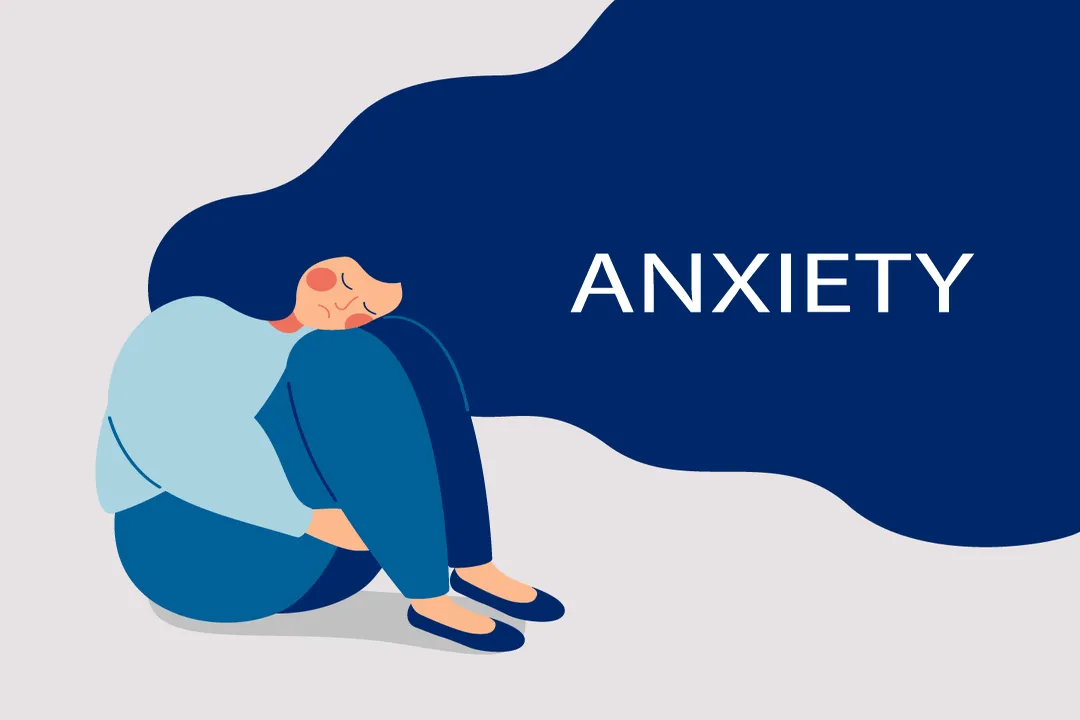
One of the primary reasons people employ rubber bands involves grounding themselves when anxiety or panic sets in. Anxiety can feel incredibly abstract, pulling the mind away from the present moment and into worries about the future or rumination on the past. The deliberate action of using a rubber band introduces a concrete, physical sensation that anchors awareness back to the body and the immediate environment. [3][4]
This mechanism falls under the umbrella of grounding techniques, which aim to reorient the nervous system. The sensation provided by the rubber band—whether it’s the simple tactile input of wearing it, or the sharper sting of a snap—is an external stimulus that momentarily overrides the internal noise of worry. [7] For people engaging in stimming, which are self-stimulatory behaviors, the rubber band provides necessary, repetitive sensory input that helps regulate an overwhelmed emotional state. [7][9] The repetitive motion or the predictable tactile feedback can be surprisingly soothing when the mind feels chaotic. [8]
It is interesting to note the difference in application: some find relief simply by wearing the band, allowing the slight pressure or the texture against the skin to serve as a continuous, low-level reminder of the present moment. Others require the snap. This distinction highlights that the required level of sensory input varies greatly. When anxiety reaches a high pitch, a minor tactile cue might be ignored; the jolt of a snap is required to fully break the cycle of distress. [3][6]
# Thought Interruption

Beyond simple grounding, the rubber band is frequently used as an active tool to combat specific, unwanted thought patterns. This aligns closely with behavioral techniques designed to stop negative rumination or intrusive thoughts. [1] The goal here is less about general calm and more about immediate cognitive intervention.
When an intrusive thought surfaces—something repetitive, worrisome, or distressing—the individual physically snaps the band against their wrist. [6] The resulting sharp, momentary pain or shock acts as a "reset button" for the brain. [3] This physical interruption breaks the established neural pathway of the thought loop, creating a small window of opportunity to redirect focus elsewhere. [6] It is a physical manifestation of the mental strategy often referred to as thought-stopping, using a minor physical consequence to signal that the internal narrative must cease. [1]
This conscious deployment of the band for thought-stopping is a key component of its utility. It transforms the band from a passive sensory object into an active intervention tool, requiring mindful engagement when the automatic thought process takes hold. [6]

# Harm Reduction

A critical, though often unspoken, reason behind the use of rubber bands relates to managing impulses toward more severe self-harm. For some individuals, the intensity of their anxiety or emotional distress drives an urge to cause physical pain to manage emotional pain. [2] In these instances, snapping an elastic band is adopted as a conscious, less damaging substitute for methods that cause lasting injury, such as cutting. [2]
Therapists sometimes suggest this method as a strategy during moments of intense crisis precisely because it provides the sensation of self-harm without the associated long-term physical and emotional consequences. [2] The feeling achieved is a sharp sting, a brief shock that pulls the person back from the brink, which can satisfy the immediate need for intense physical feedback without resulting in permanent scarring or injury. [2]
This practice demonstrates a significant level of self-awareness and a desire for safer coping mechanisms, even when under duress. It is an example of substitution where a lower-risk behavior replaces a higher-risk one when distress levels peak. [2] Understanding this context shifts the perspective from viewing the band as just a fidget item to recognizing it as a safety mechanism in a crisis kit. [4]
# Practical Application and Self-Regulation

The utility of the rubber band is amplified by its sheer accessibility. It is cheap, easily concealed, and requires no technology or external assistance. [8] This availability means it can be deployed instantly, which is vital for anxiety management where delays can allow panic to escalate.
The act itself can be classified as a form of stimming when used for general emotional regulation, not just thought interruption. [7][9] Stimming behaviors serve to manage sensory intake or discharge excess nervous energy. [9] When someone is anxious, their system might be over-stimulated, or conversely, they might feel completely disconnected and under-stimulated, craving sensory input to feel "real". [7] The rubber band fits both needs: a firm snap provides intense input, while gently rolling or twisting it provides mild, rhythmic stimulation. [8]
When considering the effectiveness of this tool, it is helpful to categorize the type of relief sought, as this guides its proper use.
| Primary Goal | Method of Use | Sensation Focus | Related Mechanism |
|---|---|---|---|
| Interrupting Rumination | Quick, sharp snap | Pain/Shock | Thought Stopping [6] |
| Grounding in Panic | Strong snap or firm pull/release | Intense Physical Jolt | Sensory Re-orientation [3] |
| Soothing Overload | Gentle rolling or wearing | Tactile/Pressure | Stimming/Self-Regulation [7][9] |
| Harm Reduction | Sharp snap (replacement) | Pain/Consequence | Safety Substitution [2] |
This table suggests that while the object is identical, the technique determines its psychological role. It’s not inherently a stress reliever; it’s how the user manipulates the stressor (the band) into an output mechanism that makes it effective. [8] For instance, trying to use a gentle roll when an aggressive snap is neurologically required will likely fail to halt a spiraling thought process, which reinforces the idea that users often instinctually know the intensity required for the situation at hand. [3]
Ultimately, the popularity of wearing or snapping rubber bands among anxious individuals speaks to a universal human tendency: when the mind struggles to cope with internal chaos, people instinctively seek a physical anchor. The rubber band happens to be one of the most simple, effective, and low-barrier anchors available for managing everything from minor distraction to acute emotional crises. [4][8]
#Videos
Rubber Bands Can Help Anxiety-Here's How - YouTube
Related Questions
#Citations
Why do some people snap rubber bands on their wrists? - Quora
Is using rubber bands an alternative to self-injury? - Go Ask Alice!
My therapist said to snap myself with an elastic band whenever I ...
Can a Wrist Band Help You Control Your Anxiety? - Calm Clinic
Rubber Bands Can Help Anxiety-Here's How - YouTube
Unwanted Thoughts? Snap the Rubber Band - Psychology Today
Anxiety Grounding Mechanisms - BCS Counseling.
How Rubber Bands Relieve Stress
What is Stimming? | Types Of Behaviour, Examples, Treatment