Why do people shrimp at night?
The quiet hum of the aquarium filter, the ambient glow of a room receding into darkness—these are often the cues for a secret world to awaken. For many devoted to the miniature ecosystems in their glass tanks, noticing the nocturnal shifts in their shrimp population is a source of constant fascination. It's a common observation among hobbyists that the tiny crustaceans seem to suddenly spring to life once the overhead lights are extinguished. [2][8] This isn't random; it speaks to deeply ingrained behaviors that persist even in a controlled environment like a home aquarium.
# Hidden Activity
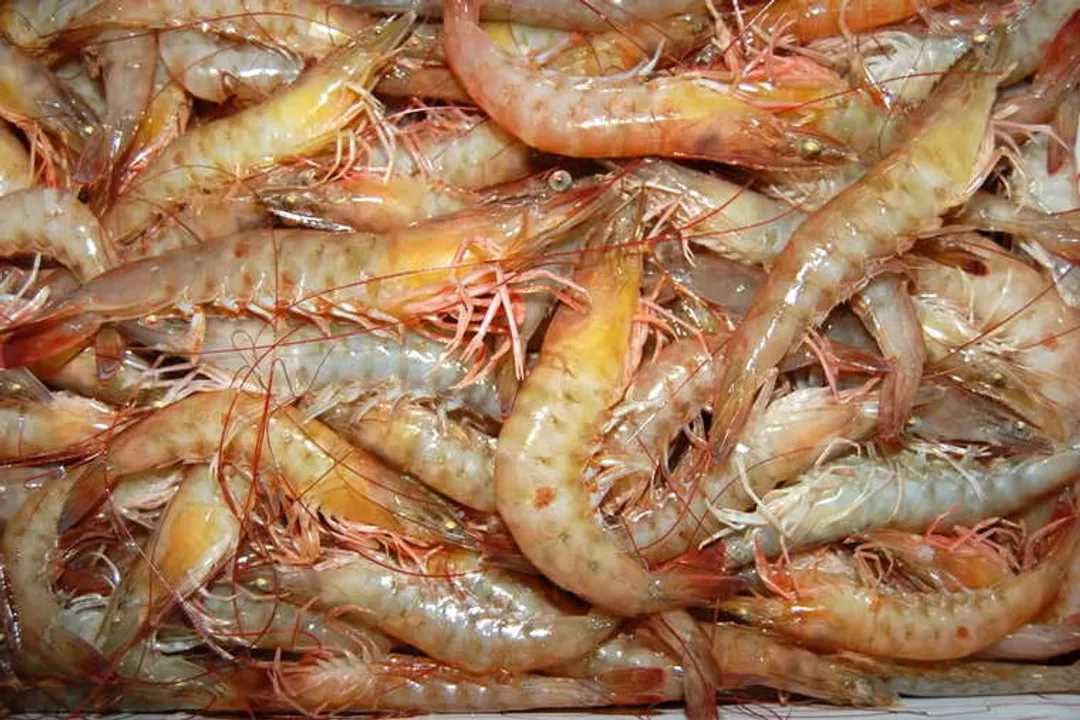
It appears that for many species kept in the home aquarium, the perceived quiet of the night is actually their peak operating time. While we might assume a constant level of activity, many observers note that their small inhabitants, whether they are Neocaridina or Caridina variants, become markedly more active after the main lights go out. [2] This shift is often linked to foraging behavior. In the wild, being less conspicuous during the day helps them avoid visual predators, so the cover of darkness encourages more bold movement around the substrate and décor. [2]
# Rest Cycles
The question of whether these little creatures actually "sleep" is one that surfaces often in hobbyist circles. [8] While they don't exhibit the same clear-cut sleep/wake cycles as mammals, they do enter periods of reduced activity. When the lights are on, they might spend considerable time tucked away, perhaps cleaning their gills or simply resting on a leaf or rock. Once conditions signal "night"—usually the absence of bright light—they resume moving, searching for biofilm, algae, or dropped food particles. [8] Think of it less as a human sleep and more as a state of energy conservation or low-profile maintenance during the day, followed by an active feeding and exploration period when the visual risk is lower. [2]
To put this in perspective for the typical home setup, consider the general activity patterns found in many small aquatic environments. Most small fish and invertebrates kept in tanks have evolved defensive mechanisms against daytime visual hunters.
| Inhabitant Type | Primary Activity Period | Behavior in Darkness |
|---|---|---|
| Most Small Fish | Diurnal (Day Active) | Resting/Hiding |
| Dwarf Shrimp | Crepuscular/Nocturnal | Foraging/Exploring [2] |
| Snails | Crepuscular/Nocturnal | Grazing/Surface Movement |
This contrast in timing means that if you only observe your tank during the day, you are essentially only seeing the "resting" phase of your shrimp population. [2] The true vibrancy of their ecosystem interaction often requires a dim light, a red nightlight, or simply patience after you turn the main lights off. [8] One useful technique for the dedicated observer is to use a small, battery-operated light with a red filter; shrimp are less disturbed by red light than by bright white light, allowing for better, less intrusive nighttime viewing. [4]
# Nighttime Pursuit
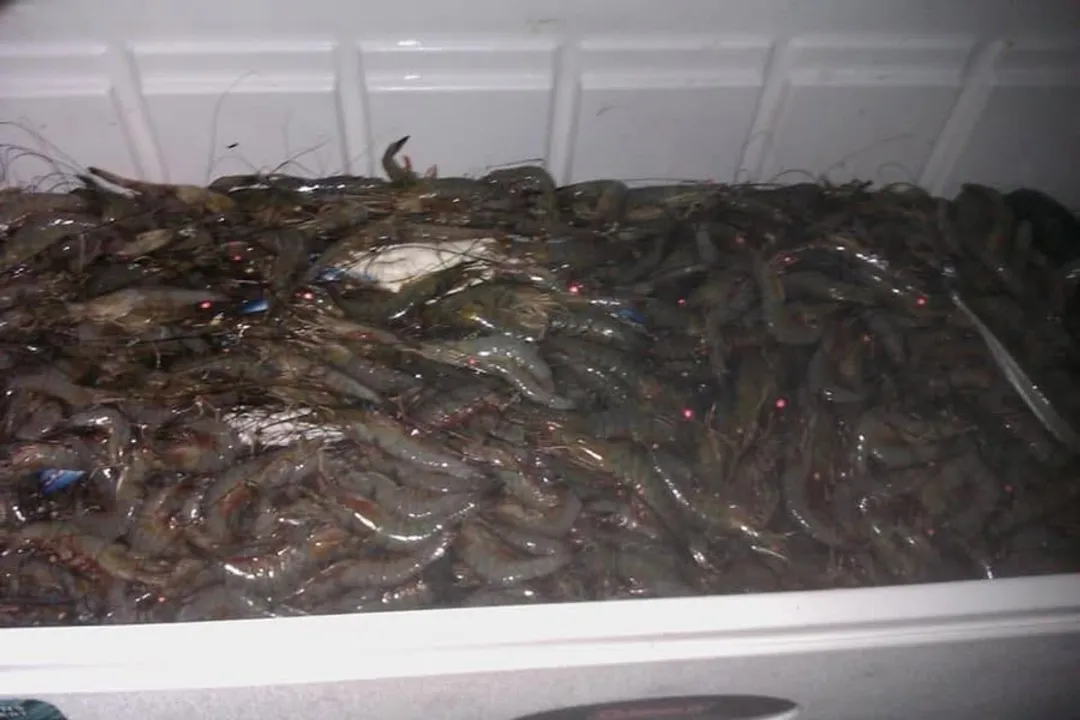
Shifting focus from the contained habitat to the vastness of the ocean or coastal waters, the phrase "shrimping at night" takes on an entirely different, more industrious meaning: the active pursuit of catching wild shrimp. This method is a well-established practice for both commercial fishers and recreational enthusiasts looking to harvest these crustaceans. [6] The decision to head out when the sun sets isn't arbitrary; it is deeply tied to the biology of the shrimp and the effectiveness of specific harvesting techniques. [7]
# Attraction Methods
A primary reason for targeting shrimp after dark relates to the use of artificial illumination. Many species of shrimp are naturally drawn to light, a phenomenon that fishers exploit to concentrate them for easier netting or trapping. [1][7] When fishing in murky or deep waters, or simply trying to bring them nearer to the boat or shore, shining a strong light onto the water surface acts as a powerful beacon. [7] The shrimp swim toward the light, making them much more susceptible to collection. [5] This technique essentially reverses the daylight avoidance behavior seen in the aquarium setting; out on the open water, the light source indicates a concentration of food (plankton attracted to the light) or simply acts as an irresistible, albeit confusing, navigational aid. [1]
Different forums and guides discussing shrimping methods frequently allude to this light strategy. [1][7] Whether using submersible lights or surface-mounted lamps, the intent is the same: gather the quarry where you can easily net them.
# Timing and Tides
Beyond the direct use of lights, the timing of night fishing often correlates with tidal movements, which themselves are linked to lunar cycles. [6] Experienced shrimpers understand that shrimp migration patterns are not constant; they fluctuate based on water depth, salinity, and the flow of currents dictated by the tide. While a guide to shrimping might outline the best seasons, the specific time on any given night often hinges on the tide charts. [6] For instance, a strong outgoing tide might carry shrimp out of shallow estuaries and into deeper channels, requiring a different approach than when the tide is slack.
It's interesting to note how the effectiveness of night fishing can vary by location and target species. Inshore shrimping, often done with smaller boats or even by wading in certain tidal creeks, might favor the dark hours because certain shrimp species move into very shallow water to feed when the water cools or when visual disturbances are minimized. [9]
One practical consideration that combines the biological draw and the physical environment is understanding the moon phase. During a new moon, when the natural light is minimal, the effect of artificial lights is significantly amplified. If you are a recreational fisher aiming for maximum catch efficiency, scheduling your trip for nights around the new moon, when the water is darkest, will likely yield better results when deploying light-based attraction methods, as the contrast between the bright lamp and the dark water is greatest. [7]

# Gear and Conditions
The approach to night shrimping also dictates the equipment needed, which can differ significantly from daytime efforts. Night operations often require more specialized gear focused on safety, navigation, and light projection. [5] Having reliable lighting on the boat or near the wading area is non-negotiable, not just for seeing the shrimp, but for general safety in moving water after dark. [1]
# Water Clarity Versus Light
When fishing in areas with variable water clarity, the decision to fish at night using lights becomes a balancing act. In very turbid (murky) water, daytime shrimping might be less effective because the shrimp rely more on tactile or chemosensory cues than sight, and the net might simply scoop up more sediment. However, when lights are used at night in murky water, they can sometimes be too effective, drawing in smaller, unwanted organisms or sediment close to the light cone, which then fouls the net. [1] Conversely, in very clear water during a bright, moonlit night, the added artificial light might not offer as significant an advantage over the ambient light reflecting off the bottom as it would on a dark, moonless night. [7] This variability underscores why local knowledge, often passed down through generations of fishers, remains invaluable. [9]
# Synthesizing Behavior
Whether you are observing a centimeter-long pest shrimp in a planted tank or attempting to catch kilograms of prawns from a coastal marsh, the common thread is that the hours of darkness trigger a change in behavior. In the aquarium, it’s an instinctual shift toward resource exploitation while minimizing risk from visual threats. [2] In the wild harvest, it's a behavior actively sought out and manipulated by humans using technology—namely, light—to concentrate those same resources for collection. [7]
The difference truly lies in the scale and intention. For the aquarist, the night is when the ecosystem lives; for the fisher, the night is when the target species gathers. [6] It's a beautiful illustration of how an organism's core survival strategy—to feed when it is safest—can be interpreted and utilized across vastly different human interactions with the animal. Understanding that the shrimp sees the world differently after sunset, whether that means navigating detritus in a 10-gallon tank or being drawn to a thousand-watt lamp miles offshore, is the key to appreciating their nightly activities.
#Videos
Daytime vs Nighttime Shrimping - YouTube
The SECRET to Catching 1000's of SHRIMP at Night - YouTube
Related Questions
#Citations
Does light attract or repel shrimp when shrimping at night? - Facebook
Are shrimp normally more active at night? : r/shrimptank - Reddit
Daytime vs Nighttime Shrimping - YouTube
shrimping with lights - Charleston Fishing
Why can't we find live shrimp in Florida during the heat of summer ...
Everything You Need To Know About Shrimping
Academy Of Shrimping Main Menu-shrimping during daylight question