Who should not eat thyme?
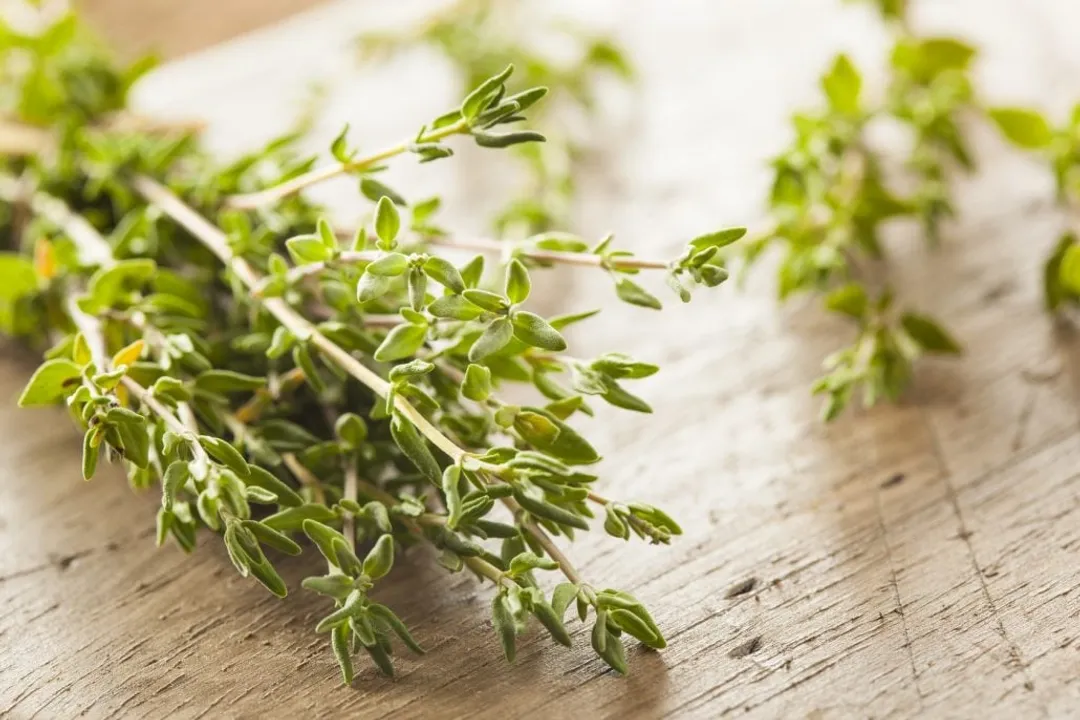
Thyme is celebrated globally, not just for lending its warm, earthy notes to countless dishes but also for its historical use in traditional remedies. While sprinkling a bit of dried Thymus vulgaris on roasted vegetables is unlikely to cause concern for the general population, the picture changes significantly when moving from culinary seasoning to medicinal doses or concentrated essential oils. Understanding who should step back from consuming or applying thyme, especially in these potent forms, is a critical step in responsible herbal use.
The safety profile of thyme is dose-dependent. When used normally in food, it is generally regarded as safe. However, when individuals ramp up consumption to medicinal levels—such as drinking multiple cups of thyme tea daily or ingesting extracts—the potential for adverse effects or contraindications emerges. For those who fall into specific health categories, avoiding thyme altogether or strictly limiting its use is the safest route.
# Family Allergies
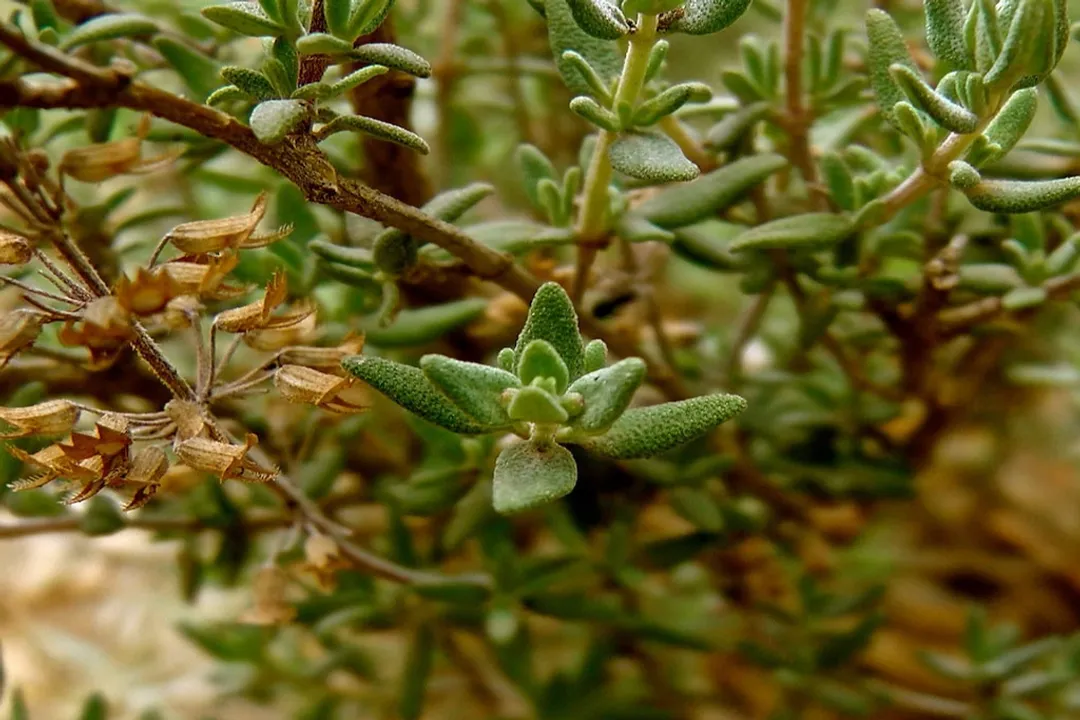
The primary group needing caution regarding thyme consumption involves individuals with pre-existing sensitivities to herbs within the same botanical family. Thyme belongs to the Lamiaceae family, which also includes oregano, basil, sage, mint, and lavender.
For those sensitized to members of this family, cross-reactivity is a real possibility. A person who knows they react to oregano, for instance, should approach thyme with suspicion. Allergic reactions can range in severity. At the milder end, ingestion might cause gastrointestinal upset, such as nausea and vomiting. More serious reactions, though reported as uncommon or rare, can include itching, swelling of the lips and tongue, dysphagia (difficulty swallowing), and even progressive upper respiratory distress with facial swelling.
It is also worth noting that these allergies are not exclusive to ingestion. Allergic contact dermatitis has been reported from the application of thyme oil or its main component, thymol. Therefore, if you have known allergies within the Lamiaceae group, avoiding thyme in all forms—culinary, tea, and essential oil—is the most prudent course of action.
# Medication Conflicts
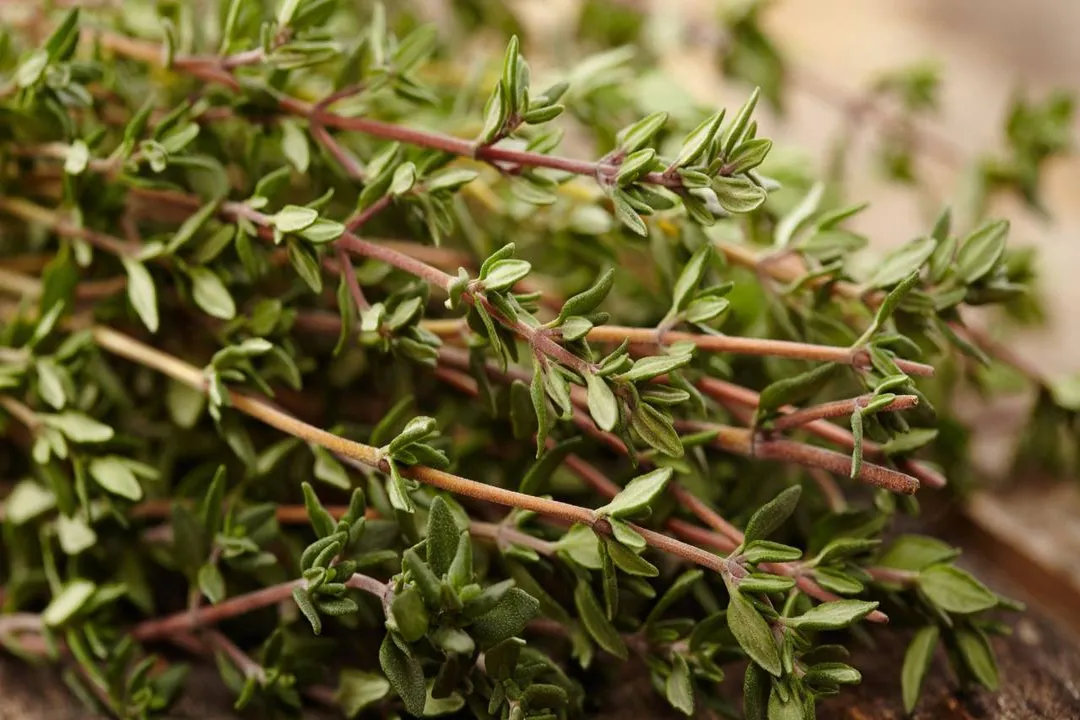
One of the most important groups who should consult a physician before using thyme medicinally are those on prescription drugs, as thyme possesses several biological activities that can interfere with medication efficacy or increase side effects.
# Blood Thinners
Thyme contains compounds that may possess anticoagulant properties, suggesting it can slow down blood clotting. This poses a risk for individuals already taking medications designed to prevent clots, such as aspirin, warfarin, clopidogrel, or even common non-steroidal anti-inflammatory drugs (NSAIDs) like ibuprofen or naproxen. Combining these substances can amplify the anti-clotting effect, potentially leading to increased bruising or, more seriously, excessive bleeding. Because of this effect, individuals planning any surgical procedure should cease using thyme in medicinal amounts at least two weeks prior to the scheduled date to mitigate the risk of undue bleeding during and after surgery.
# Hormonal Medications
Thyme components, specifically thymol, might exhibit estrogen-like effects in the body. This interaction creates two distinct areas of concern:
- Estrogen Therapy: If you are taking prescription estrogen pills (like Premarin or ethinyl estradiol), thyme may compete for the same binding sites in the body. By occupying these sites, thyme could potentially reduce the effectiveness of the prescribed estrogen medication.
- Hormone-Sensitive Conditions: This estrogenic potential means people diagnosed with conditions sensitive to estrogen—including breast cancer, uterine cancer, endometriosis, or uterine fibroids—should avoid thyme unless specifically cleared by their specialist.
# Other Drug Interactions
Thyme may influence brain, heart, and other chemical levels that are also targeted by certain prescription drugs, leading to moderate interaction risks:
- Alzheimer’s Disease Medications: Thyme may increase the effects and side effects associated with Acetylcholinesterase (AChE) inhibitors used for Alzheimer’s.
- Anticholinergic Drugs: Thyme might decrease the effects of these drying medications, which can include some antidepressants and antihistamines.
- Cholinergic Drugs: Used for conditions like glaucoma, taking thyme alongside these medications might increase side effects due to overlapping mechanisms.

# Chronic Conditions and Blood Markers
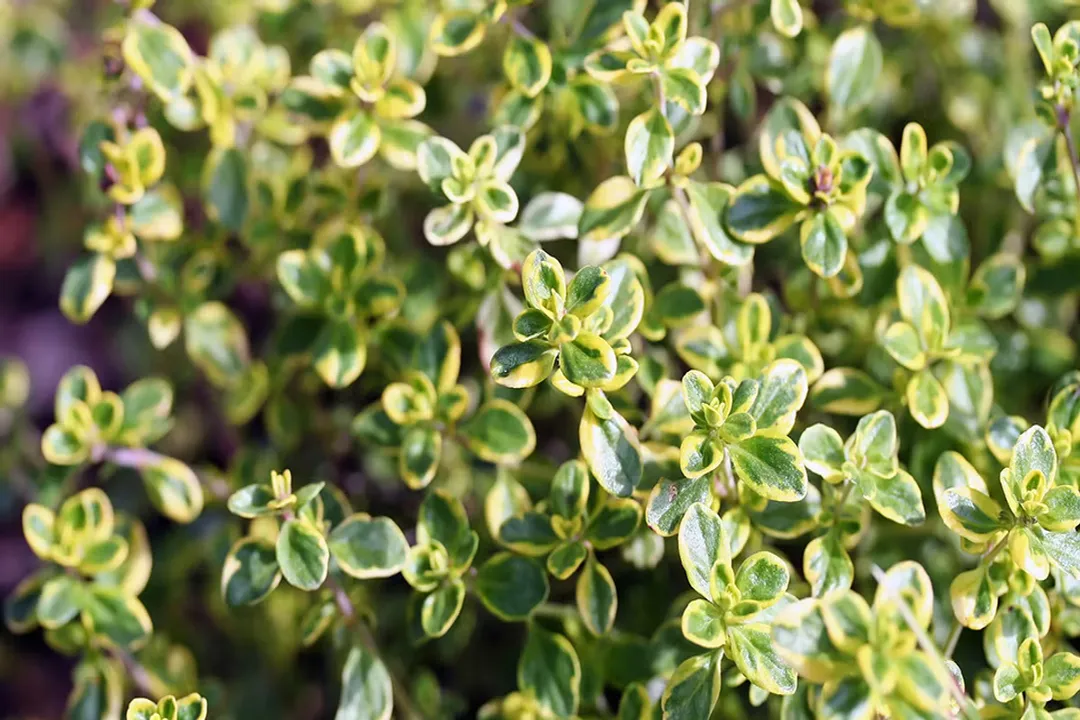
Individuals managing long-term health issues need to exercise close oversight when introducing thyme as a regular supplement or strong tea, primarily concerning cardiovascular and metabolic regulation.
# Blood Pressure Management
Thyme tea has been suggested to possess properties that may help lower blood pressure. While this may sound beneficial for someone with hypertension, for those already on antihypertensive medications, this combined effect could lead to an uncontrolled or excessive drop in blood pressure. Conversely, individuals whose blood pressure naturally runs low should also approach thyme cautiously, as its circulatory-boosting effects could be undesirable.
# Blood Sugar Regulation
Similarly, research suggests that the polyphenols in thyme can contribute to lowering blood sugar levels. For individuals managing diabetes and taking antidiabetic medications, this effect could lead to hypoglycemia, or dangerously low blood sugar. A healthcare provider should always be consulted to adjust medication schedules or monitor levels if thyme is integrated into the routine.
# Topical Use and Skin Sensitivities
While not an internal consumption issue, it's vital to recognize that concentrated thyme essential oil is a known potential skin sensitizer. Individuals with sensitive skin should be particularly wary. Reports detail allergic contact dermatitis developing from topical applications of thyme oil or pure thymol.
For anyone intending to use thyme essential oil externally—perhaps for scalp application or as part of a topical massage blend—a patch test is non-negotiable. Mix one drop of the essential oil into at least 100 drops of a carrier oil (a 1% dilution or less) and test a small, inconspicuous area of skin first. Even if you intend to use it for something seemingly benign like alleviating eczema symptoms, known sensitization can paradoxically cause an exacerbation of existing skin issues.
# Pregnancy, Breastfeeding, and Young Children
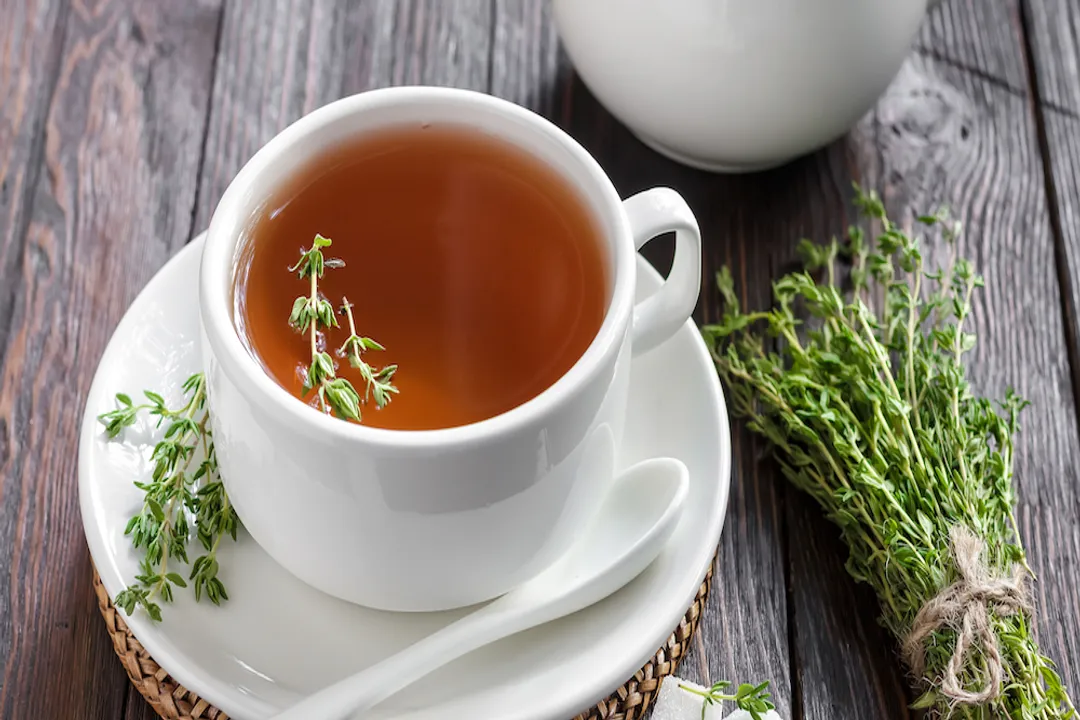
The safety data surrounding thyme for vulnerable populations is insufficient, leading to strong recommendations for avoidance in medicinal quantities.
For pregnant and breastfeeding women, while normal culinary amounts are likely fine, using thyme in larger medicinal amounts is unconfirmed as safe. Some traditional uses point to thyme acting as an emmenagogue—a substance that can stimulate menstrual flow or uterine contractions. This characteristic raises a significant concern that higher doses could pose a risk of miscarriage or premature birth. Therefore, practitioners strongly advise sticking only to what is added to food during pregnancy or while nursing.
Regarding children, while consumption in normal food amounts is likely safe, there is less certainty about therapeutic use. One source specifically suggests that thyme tea should not be given to children under the age of 10, while another suggests caution for those under 12, noting that information on essential oil safety for children is particularly lacking.

# Dosing and Digestive Impact
Even for healthy individuals, overdoing it with thyme preparations can backfire, usually affecting the gastrointestinal tract. When consumed in large quantities, the stimulating essential oils can irritate the mucous membranes. Potential side effects from excessive intake include heartburn, stomach cramps, nausea, or diarrhea.
Furthermore, thyme is noted to have a diuretic effect, meaning it increases urine flow. For those drinking copious amounts of strong thyme tea, this can lead to dehydration, which may manifest as headaches or dizziness. It is not just the dosage but also the concentration; while research confirms that thyme extracts are generally safe at recommended doses in traditional preparations like decoctions, this does not automatically extend that safety to highly concentrated essential oils taken internally.
# Occupational Exposure Risk
A distinct group that must manage their exposure carefully are those who work directly with the dried herb in bulk, such as farmers involved in threshing thyme. Massive exposure to organic dust associated with the herb has been linked to a range of occupational symptoms. Complaints recorded in farmers include nasal blockage, dry cough, general weakness, and contact dermatitis. In cases of massive exposure, more serious conditions like allergic alveolitis (inflammation of the air sacs in the lungs) have been documented. For this population, controlling airborne particulates is a far more pressing safety concern than internal consumption.

# A Necessary Consideration: The "Why" Behind the Caution
It is helpful to consider that many of thyme's potential risks stem from the same compounds that give it its celebrated benefits, particularly the main essential oil constituents like thymol and carvacrol. These compounds are potent antimicrobials and interact with cellular mechanisms, including ion channels and smooth muscle receptors. For instance, thymol's ability to affect calcium handling in muscle cells explains its antispasmodic benefits in the respiratory tract, but this same mechanism suggests it could influence cardiovascular function, which translates to the concern about blood pressure.
In a practical sense, when evaluating whether thyme is safe for you, the key lies in comparing the level of exposure. Using thyme as a spice is fundamentally different from taking a standardized extract or essential oil daily. If you are only using it to flavor your cooking, the risks listed above are minimal unless you have a known, strong allergy. However, if you are interested in using thyme tea daily for its purported anti-inflammatory effects for fibromyalgia or its potential weight management assistance, you must first run through the list of potential chemical interactions and pre-existing conditions outlined here.
If you find yourself in any of the cautioned groups, the responsible approach is to first consult a qualified healthcare provider or clinical aromatherapist, depending on the form of thyme you wish to use. They can assess your specific medications, underlying conditions, and life stage to provide tailored guidance, ensuring that this ancient and aromatic herb remains a benefit, not a hazard.
Related Questions
#Citations
Understanding the Side Effects of Thyme: What You Need to Know
Thyme Tea Benefits and Side Effects
Thyme: Health Benefits, Side Effects, Uses, Dose & Precautions
Thyme Tea: What Is It, Its Benefits, and Consumption
f273 Thyme - Thermo Fisher Scientific
What are the adverse effects of Thyme? - Consensus
Health Benefits of Thyme, Uses And Its Side Effects - Lybrate
Thyme - ASPCA
Thyme Uses and Plant Profile - LearningHerbs