What element is used in makeup?
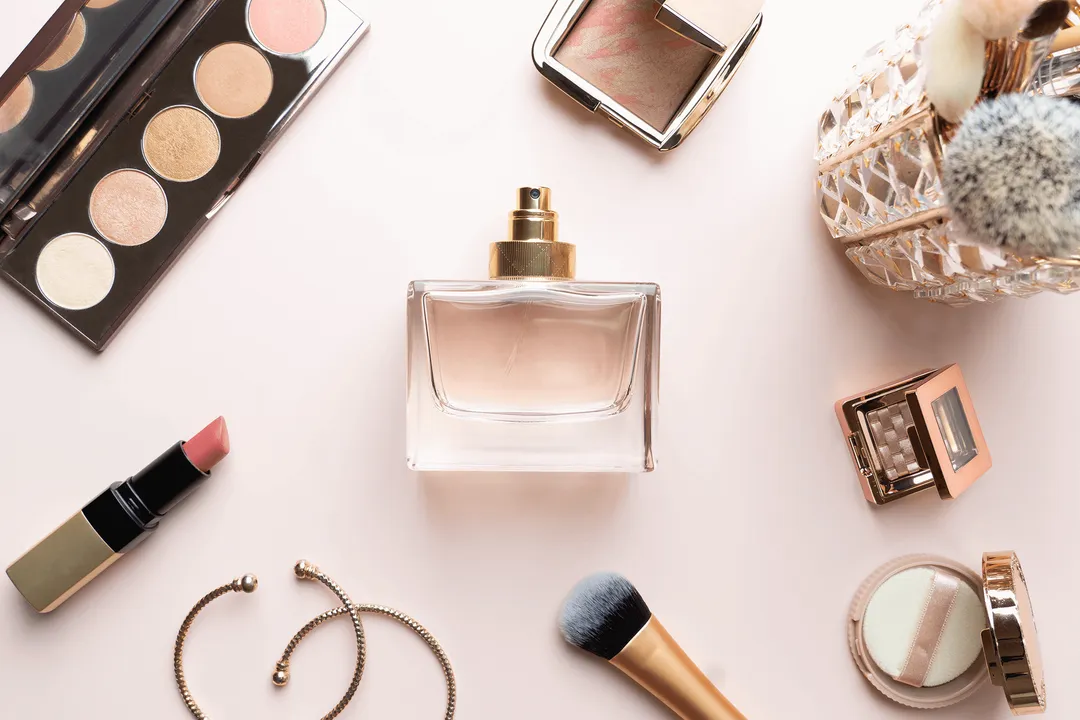
Behind every vibrant shade of lipstick and smooth layer of foundation lies a precise science. Makeup products are not random mixtures; they are carefully formulated chemical combinations designed to adhere to the skin, provide color, and maintain stability over time. [3] When you look at an ingredient list, you are seeing a formula that balances chemistry and aesthetics to ensure the product remains safe and effective for daily use. [5][8]
# Core Pigments

At the heart of any color cosmetic are pigments. These are the compounds that give makeup its distinctive hue. Many of these rely on metallic elements, though they rarely exist in their pure, elemental form. Instead, they are typically present as oxides or other compounds to ensure they are safe for skin contact. [1]
The most common pigments include iron oxides, which provide the range of reds, browns, and yellows found in foundation and eyeshadow. [1][4] Titanium dioxide is another fundamental ingredient. It is a naturally occurring mineral used for its high opacity and whitening properties. [4][7] By combining these elements, chemists can manipulate light reflection and color saturation, creating everything from sheer tints to full-coverage concealers. [6]
# Mineral Components
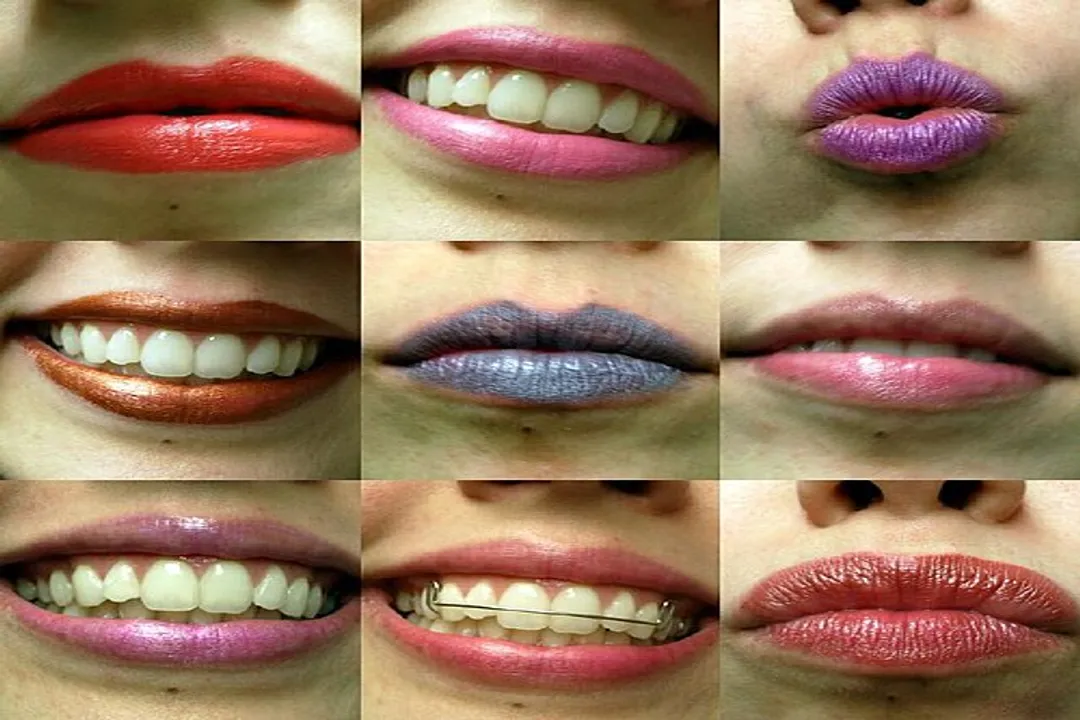
Mineral makeup has gained popularity by highlighting the use of natural elements. These products prioritize specific inorganic compounds that are generally considered less irritating to the skin than synthetic alternatives. [4]
- Zinc Oxide: Often used in both foundation and sunscreen, this compound acts as a physical barrier against UV rays. [4]
- Mica: This silicate mineral provides shimmer and sparkle. It reflects light, which helps create a radiant or glowing finish. [4]
- Bismuth Oxychloride: This is sometimes used for its pearlescent effect, although some users find it can be slightly irritating compared to other minerals. [4]
- Iron Oxides: As mentioned previously, these are the primary source of color in mineral cosmetics. [4]

# Texture Agents
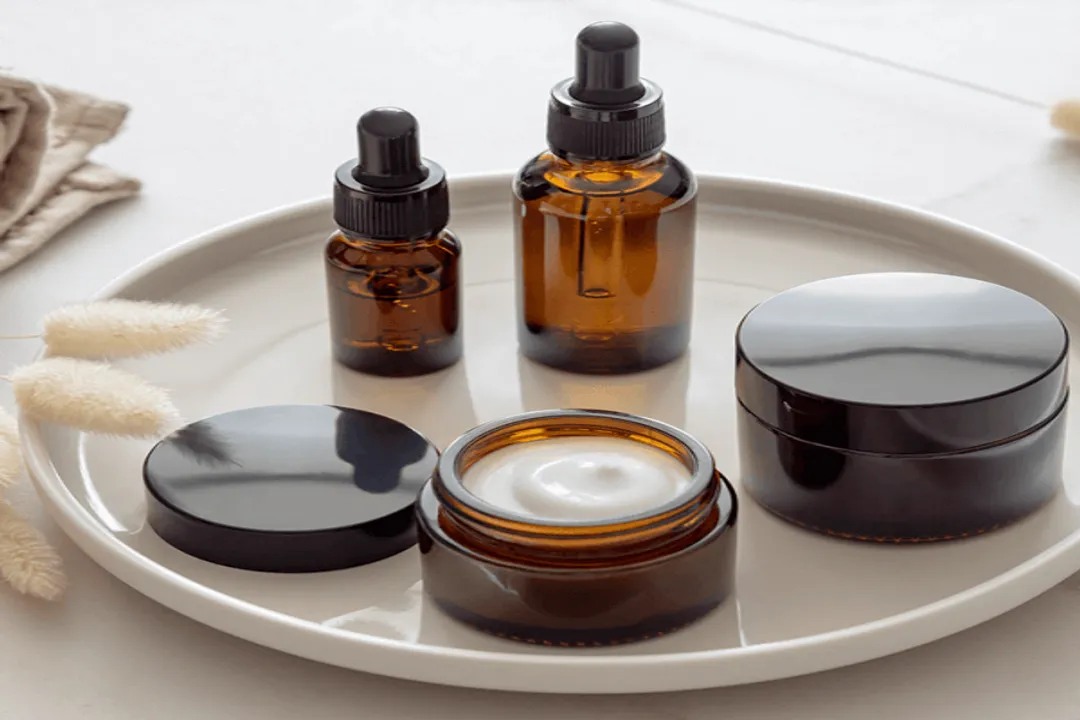
While pigments provide color, the base of the product dictates how it feels on your skin. This is the realm of emollients, oils, and waxes. These chemicals are responsible for the spreadability of a lotion or the creamy texture of a lipstick. [2][5]
Silicones, such as dimethicone, are frequent additions to primers and foundations because they create a silky, smooth barrier that fills in fine lines and helps makeup sit evenly on the skin's surface. [5] Waxes, such as beeswax or carnauba wax, provide the structure for lipsticks and pencils, allowing them to hold their shape while remaining soft enough to glide onto the skin. [2][3]
| Ingredient Category | Primary Function | Common Example |
|---|---|---|
| Pigments | Color and Opacity | Iron Oxides |
| Emollients | Texture and Softness | Dimethicone |
| Preservatives | Stability and Safety | Parabens |
| Humectants | Moisture Retention | Glycerin |
| Surfactants | Mixing Oil and Water | Sodium Lauryl Sulfate |
# Preservative Roles
Cosmetics are often stored in environments prone to bacterial growth—think of a damp bathroom cabinet or a warm makeup bag. To prevent microbes from colonizing these products, manufacturers include preservatives. [2][7] Parabens, such as methylparaben and propylparaben, have historically been the industry standard for preventing mold and bacterial contamination. [1][2]
However, the industry is shifting. As consumer preferences change, many brands are moving toward alternatives like phenoxyethanol or organic acids to provide the same level of protection without the controversy sometimes associated with parabens. [9] The goal remains the same: ensuring the product remains shelf-stable from the moment it is opened until the last drop is used. [7]

# Label Analysis
Understanding your makeup does not require a degree in chemistry, but it does require knowing how to read a label. A useful trick for any consumer is the "Descending Order" rule. By law, ingredients are listed by concentration, starting with the highest quantity. [3] If water (aqua) is the first ingredient, the product is water-based. If oils or silicones are first, it is an oil-based or silicone-based formula.
Another point to consider is the term "fragrance" or "parfum." This is often a catch-all term that can represent a mixture of dozens of different chemical compounds. [9] Because companies are not always required to disclose the specific ingredients that make up their signature scent, this is often the most common source of allergic reactions. If you have sensitive skin, selecting "fragrance-free" products is often a safer choice than "unscented," as the latter may still contain masking fragrances.
# Chemical Safety
It is common to see chemical names on a label and feel concerned, but it is important to distinguish between "chemical" and "harmful." Every substance, including water, has a chemical structure. [2] Regulatory bodies like the FDA in the United States and similar agencies globally monitor these ingredients for safety. [3]
Cosmetic chemistry is about balancing stability, safety, and performance. For example, surfactants like sodium lauryl sulfate are used to help oil and water mix, a process that is necessary for liquid foundations to stay uniform in the bottle. [2] Without these functional chemicals, your makeup would separate into layers, lose its texture, and likely spoil within a matter of days. [7]

# Formulation Accuracy
The effectiveness of makeup is not just about the individual ingredients but their concentration and interaction. A common failure scenario occurs when brands attempt to use "natural" ingredients as preservatives. While natural extracts can have antimicrobial properties, they are often less predictable than laboratory-synthesized preservatives. This can lead to products that break down faster or provide insufficient protection against bacteria.
If you are trying a new product, consider a "patch test" on your inner forearm before applying it to your face. Wait 24 hours to ensure there is no reaction. This simple step is more effective at preventing skin irritation than trying to analyze every chemical name on the back of the bottle. By focusing on how your specific skin reacts to these compounds, you can navigate the market with confidence, regardless of the complex-sounding names on the ingredient list. [8]
#Videos
7 Kinds of Makeup Chemistry - YouTube
Related Questions
#Citations
Top 10 Chemicals in Makeup: The Ingredients Behind Beauty ...
Chemistry of Cosmetics: 20 Chemicals in Personal Care Products
Ingredients of cosmetics - Wikipedia
5 Most Essential Elements in Mineral Makeup | HowStuffWorks
The Chemical Makeup Of Makeup | What's Really In Cosmetic ...
7 Kinds of Makeup Chemistry - YouTube
What Raw Materials are Used in Cosmetics? - AZoM
The Chemistry Behind Cosmetics
Top 10 Chemicals Used in Cosmetics - Camachem