What is elimination in the body?
The body's ability to manage and discard what it no longer needs is a constant, essential background operation, often simply called elimination. This process isn't just about the last step of digestion; it encompasses the systematic removal of metabolic byproducts, toxins, and unabsorbed materials from nearly every system within us. [5][6] Without efficient elimination, the internal environment quickly becomes compromised, leading to a buildup of substances the body cannot sustain. [2]
# Body Systems
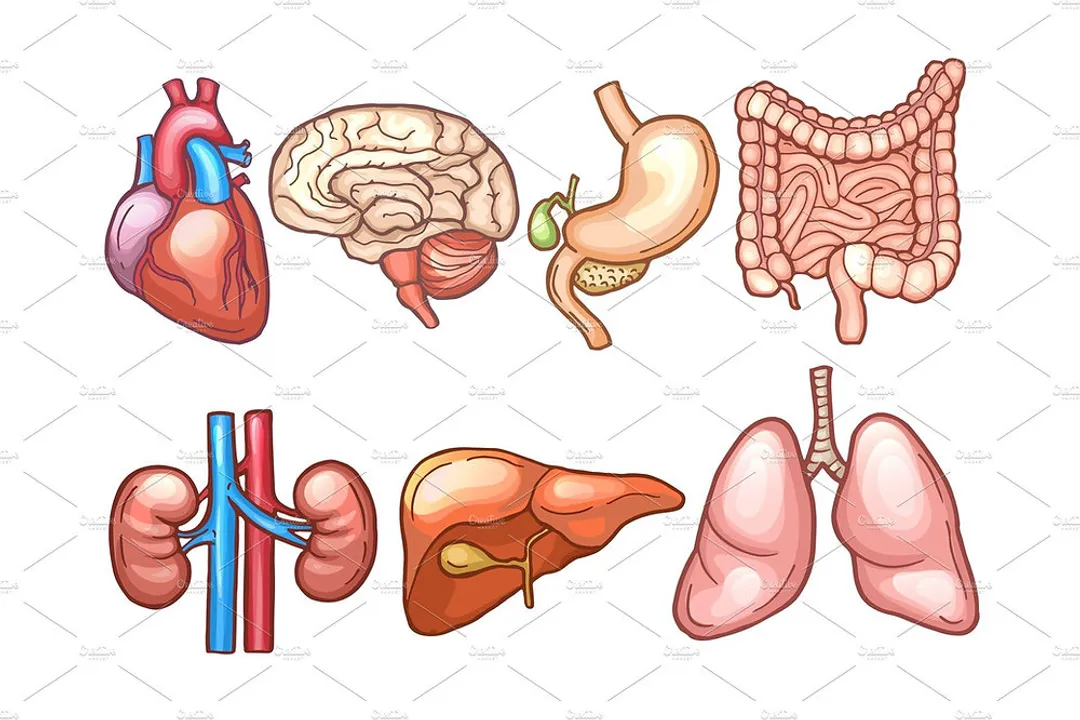
Fundamentally, elimination involves several major routes responsible for expelling different types of waste. The primary channels people usually think of are urination and defecation, which handle water-soluble and solid/undigested waste, respectively. [5]
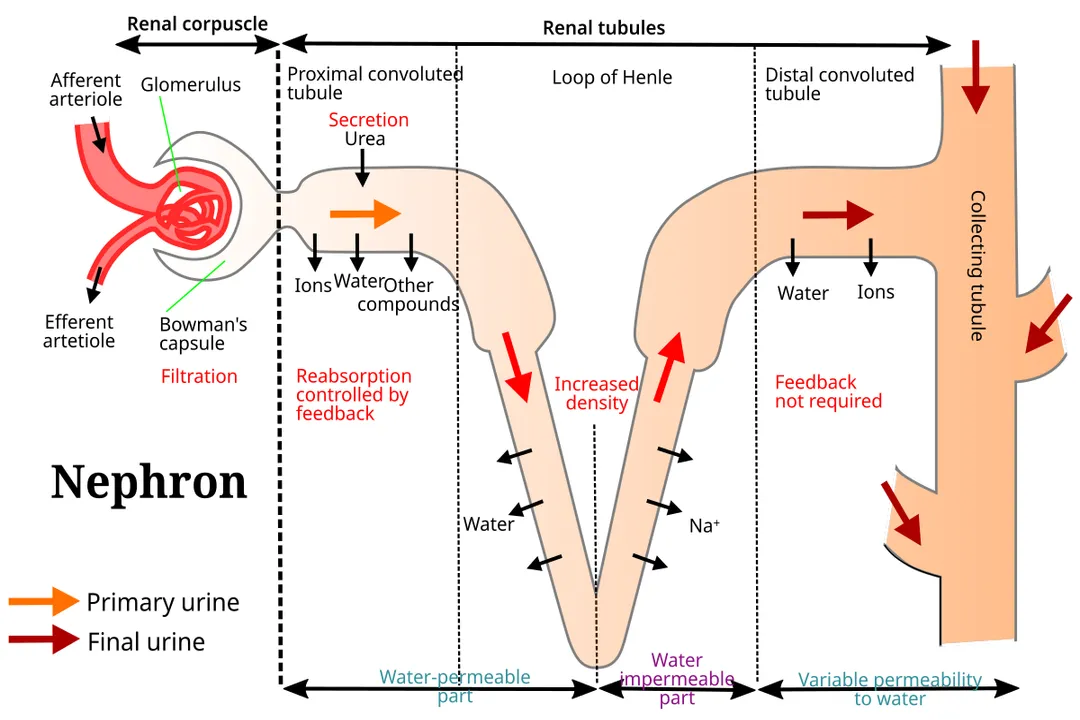
The urinary system manages liquid waste through the kidneys, which filter the blood, removing excess water, salts, and urea, a nitrogenous waste product. [5] This filtered liquid becomes urine, which is stored in the bladder before being expelled. [3] On the digestive side, after nutrients are absorbed in the small intestine, the remaining undigested material, water, bacteria, and dead cells move into the large intestine. [1] The large intestine’s main job here is to absorb much of the remaining water and electrolytes before compaction occurs, creating feces for eventual elimination. [1]
# Five Channels
While urine and feces are the most obvious outputs, considering only those two overlooks the sophisticated redundancies built into our physiology. A broader view recognizes multiple avenues through which the body works to maintain internal balance, sometimes referred to as the five channels of elimination. [7]
These five main channels include:
- The Bowels (Intestines): Responsible for eliminating undigested food matter and waste from the digestive tract. [7]
- The Kidneys (Urinary System): Primarily tasked with filtering blood and removing metabolic waste like urea dissolved in water. [7]
- The Skin (Perspiration): Sweat glands help the body excrete small amounts of water, salts, and urea, which is a vital process for thermoregulation as well. [7]
- The Lungs (Respiration): While often overlooked in discussions about waste removal, the lungs continuously eliminate carbon dioxide, a primary metabolic waste product generated during cellular respiration. [7][8]
- The Liver/Gallbladder: Although the liver works internally to detoxify substances, its products—bile containing processed waste—are eventually eliminated via the bowels. [7]
Understanding this multi-pathway approach helps illustrate why issues in one area can strain others. If, for example, the kidneys are struggling, the skin and bowels might have to process a slightly increased load of certain wastes. [6]

# Pharmacological Removal
It is important to draw a distinction between the elimination of general metabolic waste and the elimination of substances introduced externally, such as medications. In pharmacology, elimination is defined specifically as the irreversible removal of a drug or its metabolites from the body. [4] This process is crucial for determining how long a drug remains active in the system.
The two main routes for drug elimination are metabolism and excretion. [4] Metabolism, mainly occurring in the liver, chemically alters the drug to make it more water-soluble, preparing it for excretion. Excretion is the actual physical removal, which occurs primarily via the kidneys into the urine, but also through bile into the feces, or even via sweat or breath. [4] While the exit route for a drug metabolite might be the same as a natural waste product (like urine), the process leading up to it involves specific enzymatic breakdown designed to neutralize or modify the chemical compound. [4]
| Comparison Point | General Waste Elimination (e.g., Urea) | Pharmacological Elimination (Drug Removal) |
|---|---|---|
| Primary Driver | Natural metabolic necessity | Foreign substance introduced to the system |
| Preparation Step | Simple filtration/Water reabsorption | Chemical alteration (Metabolism) in the liver |
| Main Excretory Organ | Kidneys (for water-soluble waste) | Kidneys (for water-soluble metabolites) |
| Goal | Maintain homeostasis | Reduce active concentration to safe/therapeutic levels |
# Organ Contributions
Each organ involved in elimination plays a specific, non-interchangeable role. The kidneys filter about 180 liters of fluid daily, processing blood to maintain electrolyte balance and remove nitrogenous wastes. [3][5] The large intestine’s role goes beyond simply collecting residue; it helps recycle water and essential electrolytes, and its bacterial flora play a part in breaking down certain compounds before they are expelled. [1]
The complexity of these systems means that changes in one area can quickly affect others. For instance, the efficiency of elimination via the skin through sweating is highly dependent on hydration status. If fluid intake is low, the body conserves water, which can decrease sweat output, putting a slight additional burden on the renal system to manage fluid volume. [6]

# Pattern Variations
Understanding what elimination is also involves understanding how often and how much is normal. Elimination patterns, particularly regarding bowel movements, can vary widely between healthy individuals. [9] A person might naturally have three bowel movements per day or only three per week, and both could be perfectly healthy markers for them, provided the stool consistency and ease of passage are normal. [9] The key metric isn't a rigid number but rather consistency, comfort, and completeness. Similarly, the frequency of urination is tied directly to fluid intake and kidney function. [3]
When assessing elimination health, one helpful measure is to consider the quality of output across channels. For example, a person who consumes a high-fiber diet, rich in whole grains and vegetables, will likely produce firmer, more regular stools because the fiber adds necessary bulk, acting almost like an internal sweeping agent for the colon. [1] A common pitfall many overlook is how caffeine and certain medications can act as diuretics, increasing fluid loss through the kidneys, which then necessitates proactively increasing water intake to avoid dehydration impacting other elimination routes, like skin function. [6]
# Digestive Output
Focusing on the lower end of the digestive tract, the final steps leading to defecation are critical. Once waste reaches the rectum, the urge to defecate signals that the colon has completed its absorption work. [1] The movement that pushes this waste out, known as peristalsis, is an involuntary muscular action in the colon. [1] Issues here, such as slow transit time or lack of bulk, can lead to stool remaining in the colon longer than necessary, which sometimes allows for excessive water reabsorption, resulting in harder, more difficult-to-pass stools. [1]
The overall health of the elimination system relies on the body successfully identifying, isolating, and removing all materials that are either toxic, present in excess, or indigestible. It is a continuous, finely tuned system that links every major organ group, ensuring the internal environment remains stable enough for life to proceed effectively. [2][6]
Related Questions
#Citations
Absorption and Elimination | Digestive Anatomy
Drug Elimination - StatPearls - NCBI Bookshelf - NIH
Elimination patterns: MedlinePlus Medical Encyclopedia
Elimination (pharmacology)
Elimination Definition - Anatomy and Physiology II Key Term
Elimination System| Holistic Dentistry NJ
The Five Channels of Elimination
The organs of elimination
Elimination Patterns